Why UHP Infrared Curing is the Smart Way to Hit Lead-Free Standards
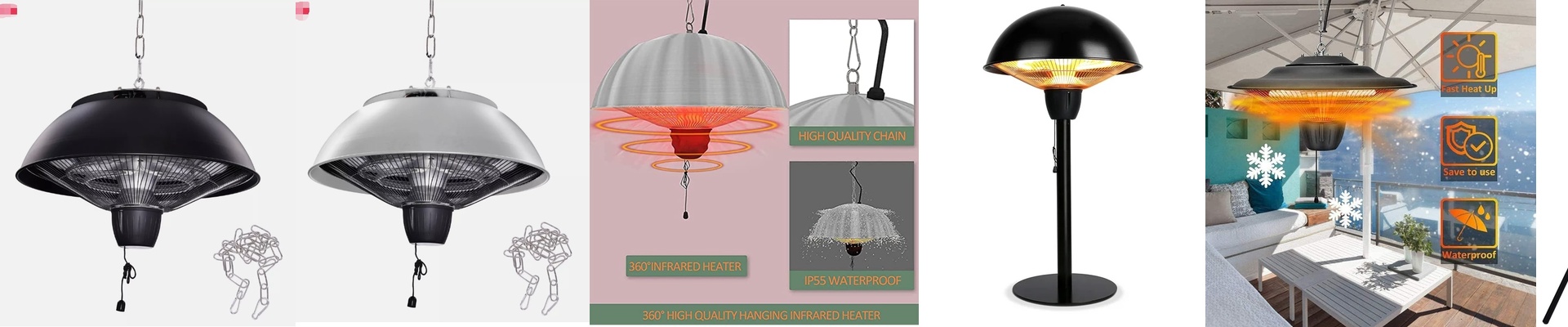
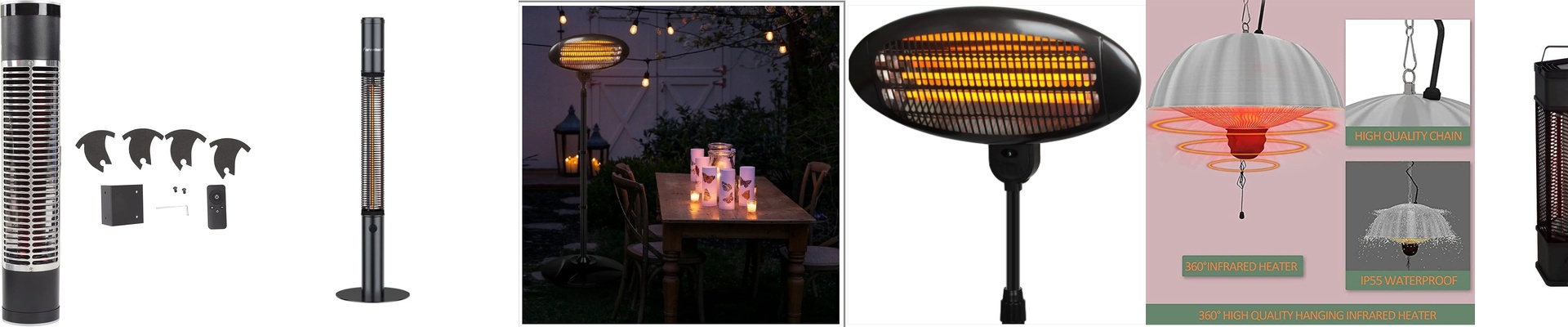
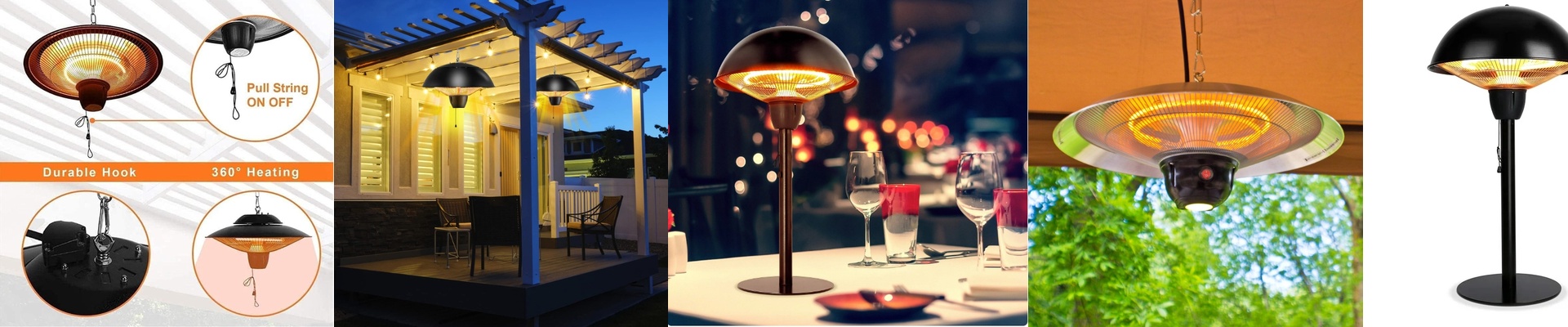
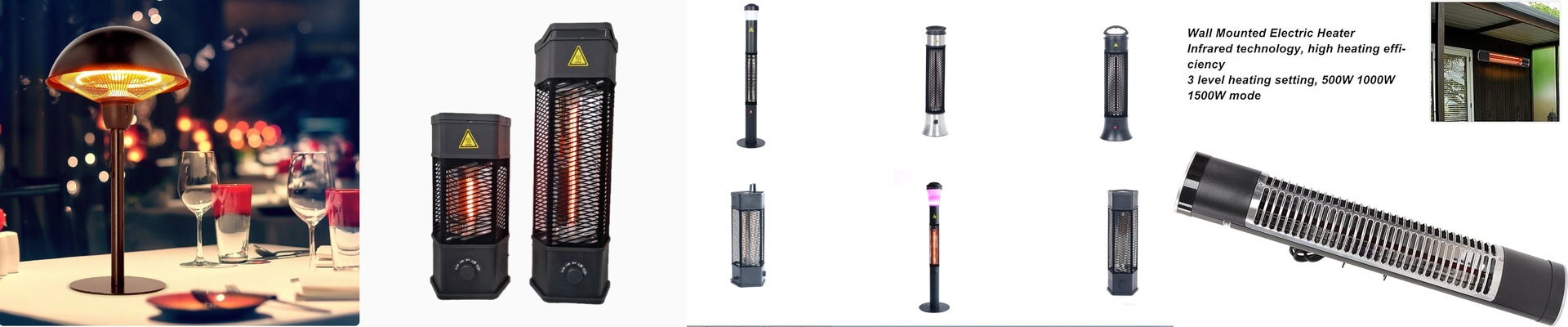
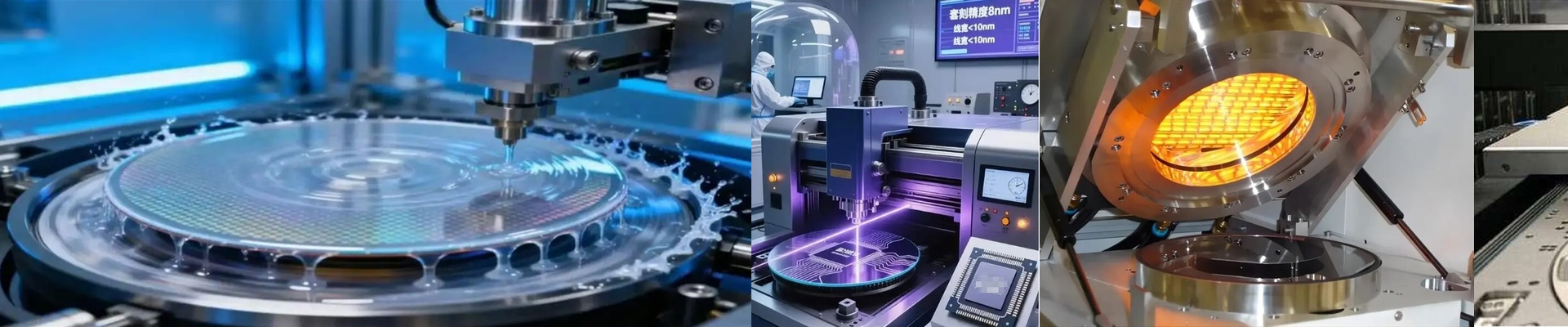
In semiconductor fab, “clean” isn’t just a goal—it’s everything. You can’t have a single speck of dust or a stray residue messing up your wafers. For a long time, we’ve relied on convection ovens. But let’s be honest: blowing hot air around a giant chamber is a bit like trying to heat a whole house just to warm up one cup of coffee. It’s slow, it sucks up a ton of electricity, and you’re always worrying about particulates getting hitched to that airflow. That’s why we shifted to Ultra High Purity (UHP) infrared lamps. Instead of heating the air, we heat the wafer itself.
How the heat actually works
Here is the trick: UHP lamps use short-wave infrared radiation. Instead of waiting for the air to get hot, these lamps shoot photons straight into the substrate. It’s direct. It’s fast. And because the heat is so targeted, you don’t need those old-school chemical catalysts or VOCs to get the job done. This is the real secret to hitting “lead-free” standards. You aren’t leaning on heavy metals to force a chemical reaction at low temperatures; you’re just using precise, raw energy.
Saving power (and your sanity)
Traditional drying feels like it takes forever. You’re wasting energy keeping a massive box of air hot 24/7. UHP lamps are “instant-on.” You can pulse the power to match exactly how fast your line is moving. When the line stops, the waste stops. It’s a much leaner way to work. But a heads-up: this much energy in such a small space getsintense. You have to get your cooling manifolds exactly right. If your airflow is off, you’ll end up overheating the lamp ends or scorching the edges of your wafers. It takes a little fine-tuning, but once it’s dialed in, it’s a dream.
Better for the planet, better for the audit
When you strip away the solvent-based drying and slash the energy bill, you’re suddenly in a much better place with global green standards. No emissions. No lead additives. Just electromagnetic radiation turning into heat right where you need it. If you’re still using those clunky old thermal tunnels that make your environmental auditors cringe, this is the way out. It just fits into the workflow without the baggage.