Keeping Things Safe: Infrared Heating in Volatile Chemical Zones
If you’re running a chemical cleaning line, you know the deal. You’ve got flammable solvents everywhere. In that kind of environment, a basic heating element isn’t just a tool—it’s a potential spark. That’s why we don’t just “install a lamp.” We build a fortress around it.
The Problem with Chemical Vapors
Here’s the thing about volatile organic compounds (VOCs). They’re twitchy. One exposed electrical contact or a surface that gets too hot, and you’ve got an ignition. Standard quartz tubes are fragile. If one cracks, the filament is suddenly wide open to the air. In a room full of solvent vapors, that’s a mistake you only make once.
How We Lock It Down
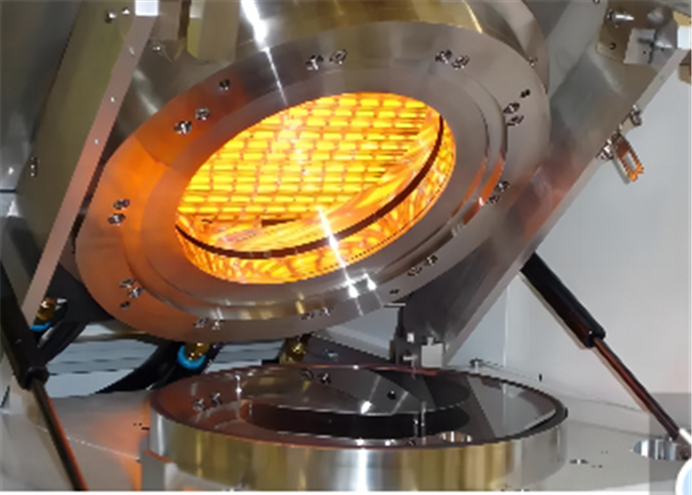
We handle this with some pretty heavy-duty sealing. We wrap the IR emitters in high-grade quartz or sapphire glass—stuff that doesn’t flinch when chemicals hit it—and seal the ends tight with specialized gaskets. Then, we put the whole thing in an explosion-proof housing. This keeps the electrical terminals completely isolated from the air around them. The wiring is just as important. We use flame-retardant cables and reinforced connectors so those vapors can’t sneak their way into the electrical junctions. If something does go wrong inside, the housing is built to contain a small blast. It keeps the fire inside the box and out of your clean room.
Managing the Heat
High-wattage IR lamps get incredibly hot. To stop the external chassis from reaching the flash point of your chemicals, we use heat-reflective shielding. It keeps the outside cool while the inside does the heavy lifting. But you’ve got to keep an eye on your airflow. Our seals stop the sparks, but they can’t make the heat disappear. If your ventilation isn’t pulling that heat away, the seals will start to feel the stress over time.
Real-World Use
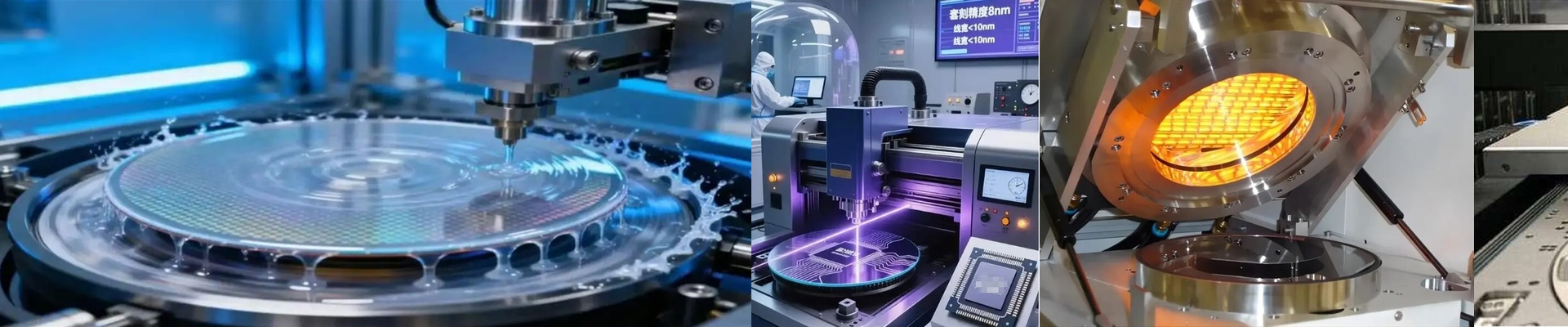
These units are basically drop-in replacements. You can slide them right into your existing chemical baths or drying tunnels. You get that instant, fast ramp-up of shortwave IR without the constant worry that the whole facility might go up in smoke. Sure, you lose a tiny bit of efficiency because of the protective housing, but that’s a trade-off I’d make every single time. Peace of mind is worth a few percentages.