Stop Freezing in Your Own Workshop: Making Your Ceiling Heaters Smart
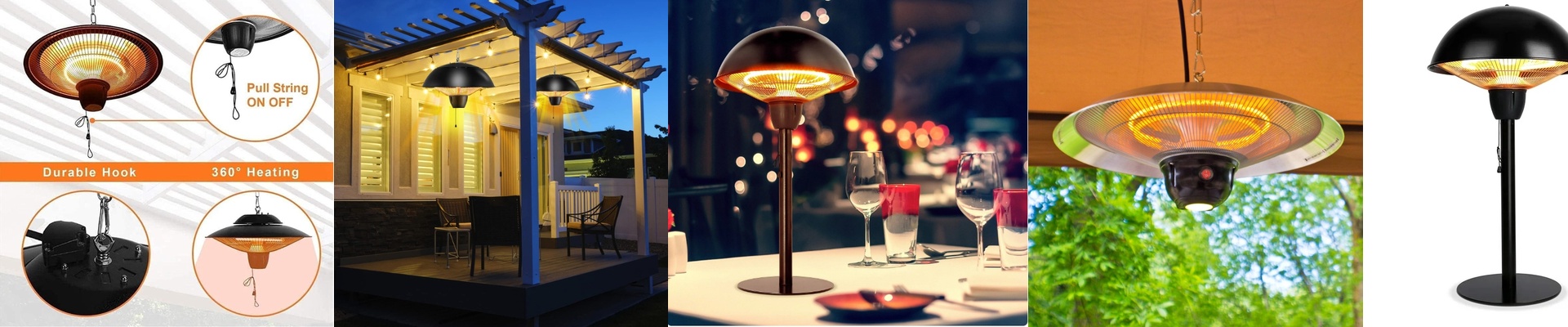
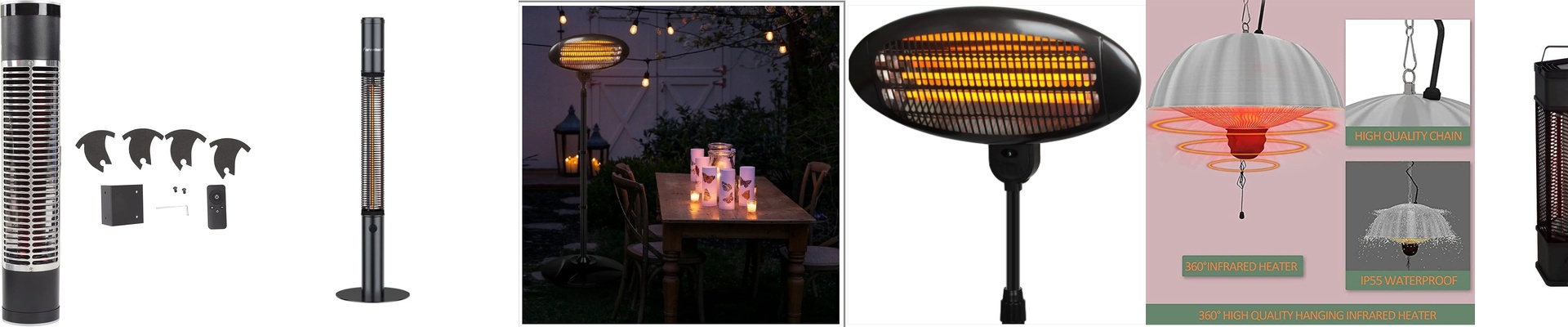
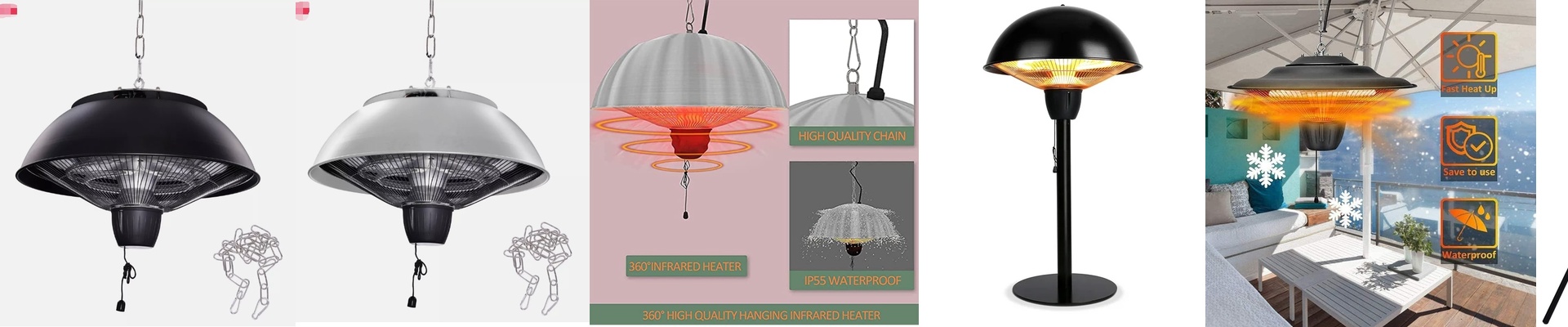
Let’s be honest: walking into a freezing workshop on a Tuesday morning is a miserable way to start the day. Most of us use those short-wave infrared ceiling heaters because they don’t mess around. They don’t waste time trying to heat every cubic inch of air in the room; they just beam heat straight down onto you and your tools. It’s a much faster way to get warm, but flipping a manual switch in a cold room still feels like a chore. The trick is to get these heaters on a smart system. By hooking your infrared arrays up to a smart hub—think Zigbee, Matter, or simple IoT relays—you stop playing the “wait and see” game. Instead of walking in and shivering while you wait for the room to thaw, you can just tap a button on your phone while you’re still drinking your first coffee in the kitchen. By the time you walk through the door, the place is already toasted. Here is how it actually works under the hood. The smart controller sends a tiny, low-voltage signal to a heavy-duty part called a contactor. That contactor then slams the circuit shut, letting the high-voltage power hit the heating tubes. Since there’s no heat exchanger to warm up, the heat starts hitting your skin the second that circuit closes. It’s nearly instant. But a word of warning: don’t just plug this into any old smart plug. These heaters pull a massive amount of power. If you try to run a whole bank of them through a cheap relay, you’re going to fry your gear—fast. The smart way to do this is to keep your power lines and your signal lines separate. Run dedicated heavy-gauge wiring for the heaters themselves, and let the smart controller just act as the “finger” that pushes the button. It keeps everything safe and prevents your electronics from melting. At the end of the day, this is all about your workflow. Nobody wants to spend the first 30 minutes of their workday just waiting for the warehouse to become habitable. With a smart setup, you hit a button, the tubes glow, and that freezing concrete slab becomes a place where you can actually get some work done. Plus, you aren’t wasting money heating the far corners of the building where you aren’t even standing.