Why Most Outdoor Heaters Die (And How We Fixed Ours)
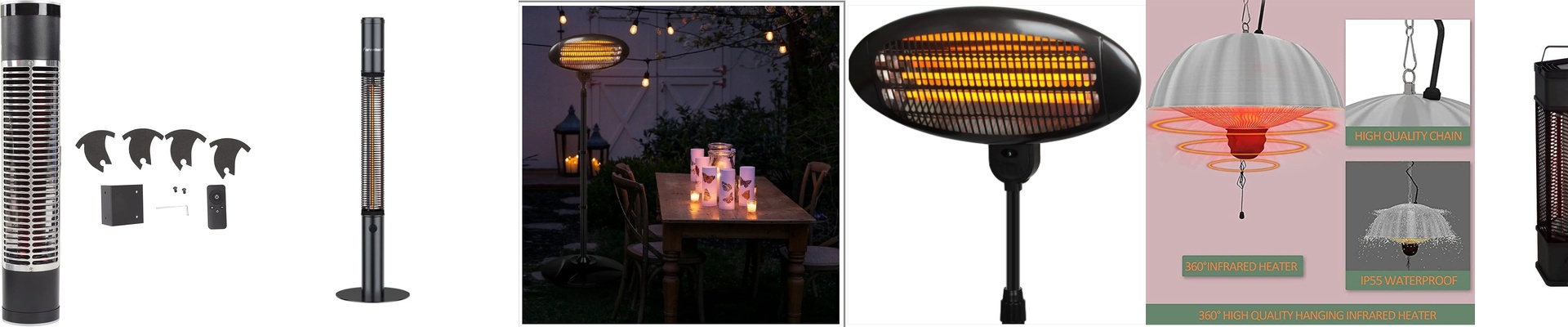
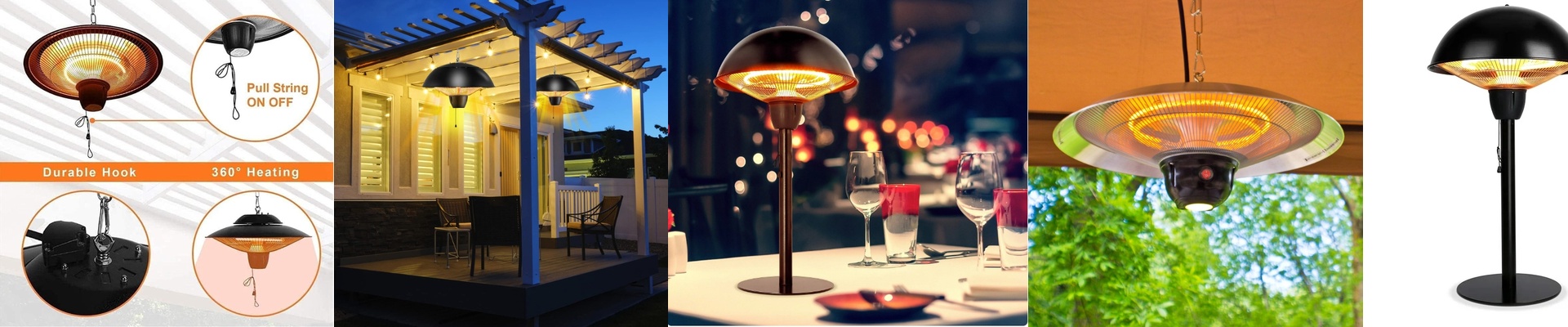
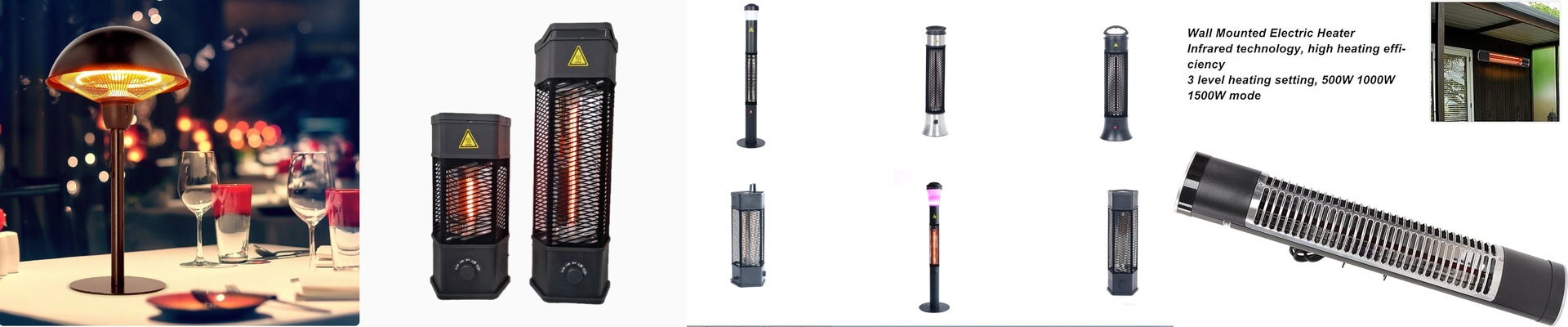
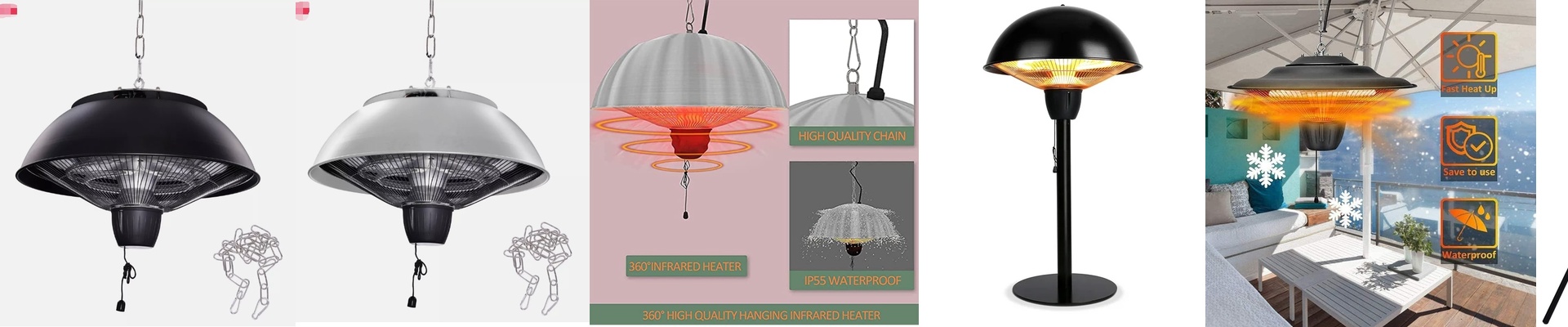
Let’s be honest: the outdoors is a nightmare for electronics. Between the driving rain, salt air, and those wild temperature swings, standard infrared lamps usually don’t stand a chance. They just burn out. We got tired of seeing that happen, so we built our IP65 heaters to tackle the two things that actually kill these machines: leaks and condensation. Stopping the leaks When you see “IP65,” it basically means the thing is dust-tight and can take a blast of water from any direction without flinching. We don’t just slap some tape on it. We use industrial-grade gaskets and heavy-duty cable glands to lock the chassis down. Here’s why that matters: if water hits the electrical terminals, you get corrosion. Then you get voltage drops. Then—pop—your heater is a paperweight. By keeping the water out, we keep the power steady. The “Fog” Problem But water isn’t the only enemy. There’s also the stuff you can’t see. Think about what happens when a heater shuts off and the air cools down fast. You get condensation. Tiny droplets of “fog” form inside the housing. If one of those drops lands on a searing hot quartz tube? The glass cracks instantly. It’s just basic physics. To stop that, we added specific venting paths and hydrophobic coatings. It keeps the heating element bone-dry, which means the lamp actually lasts for years instead of months. The Honest Trade-off I’ll be straight with you—there’s a catch. Because these units are sealed tight, they’re heavier. They aren’t “pop the cover off in two seconds” kind of machines. You have to deal with the seals if you need to get inside, which makes servicing a bit slower than it would be on a cheap, open-frame heater. Also, a quick tip for the install: make sure your breakers can handle the initial inrush current. It’s a bit more work upfront, but that’s the price you pay for a heater that can take a beating in a rainstorm without blowing a fuse. We focused on the seals so you don’t have to focus on the maintenance.