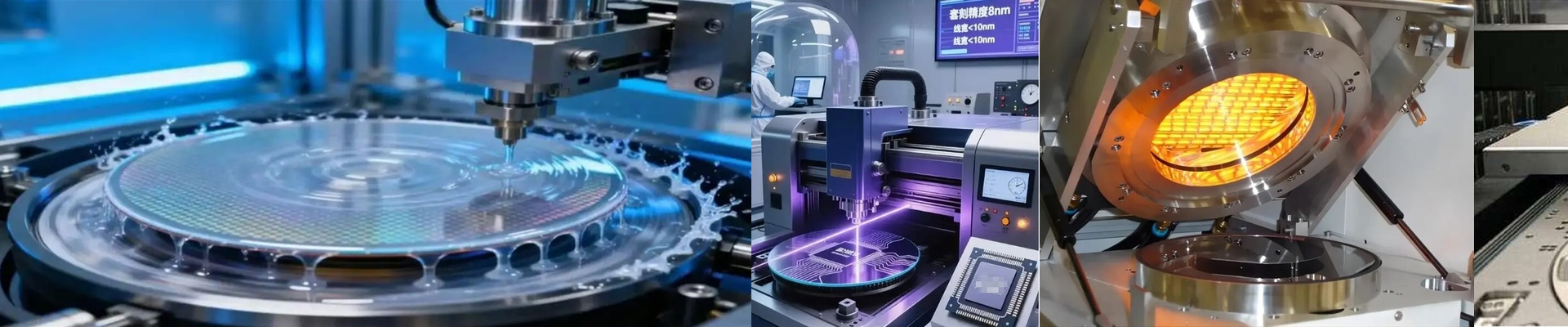
Dealing with Lamp Failures in Wafer Curing
When you’re running a high-load production line, you’re basically pushing your infrared lamps to the absolute limit. It’s a high-stress environment. And when a lamp finally gives up—or worse, bursts—the downtime is only half the problem. The real nightmare? Contamination. Imagine glass shards or tungsten filaments raining down on your substrates. One burst tube can scrap an entire batch in seconds. It’s a costly mess you just don’t want to deal with.
The Reflector: More Than Just a Mirror
Most people think of the reflector as something that just bounces IR radiation back toward the wafer. But we look at it differently. In a failure, the reflector is your shield. We use a deep-dish shape and a housing that fits tight. If a tube pops, the debris gets channeled away from the production zone instead of drifting onto your wafers. It’s a simple mechanical fix that saves a lot of headaches.
Heat, Materials, and the “Burnout” Problem
We stick with high-purity aluminum and a specific reflective coating to keep that reflectance ratio high. Why? Because it keeps the housing from soaking up too much heat. When you’re cranking these lamps at max wattage, the heat density is insane. If the reflector can’t shed that heat, the ends of the lamp overheat. That’s usually where the seal fails, and that’s when things go south. One quick tip:**Check your airflow.**If your cooling isn’t dialed in for the reflector assembly, your lamp life is going to tank. Plain and simple.
Keeping Things Clean
We’re obsessed with the mechanical side of things. You won’t find any adhesives or loose gaskets in our design because those tend to “outgas” (release chemical vapors) when they get hot. Instead, we use bolts and clips. No chemicals, no vapors, no interference with the curing process. And when you’re wiring these up, pay close attention to the lamp clips. This is where a lot of people mess up. If they’re too tight, you create a stress point that practically invites the lamp to burst. Too loose, and you’ll get electrical arcing. Get that fit just right, and the system handles the load without putting your wafers at risk.