
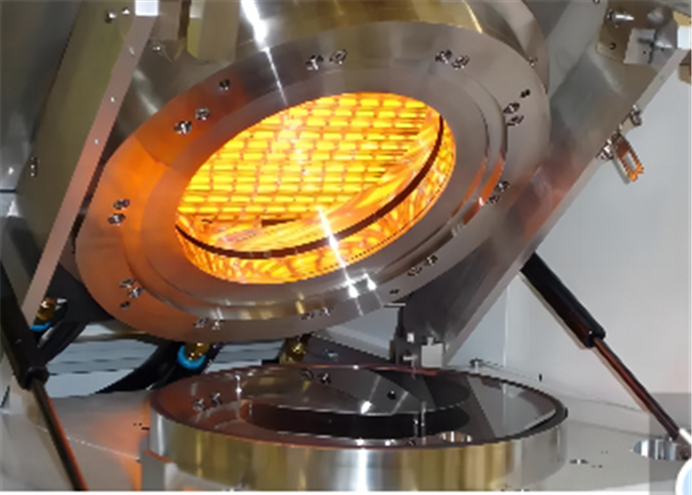
How to handle IR heating without ruining your cleanroom
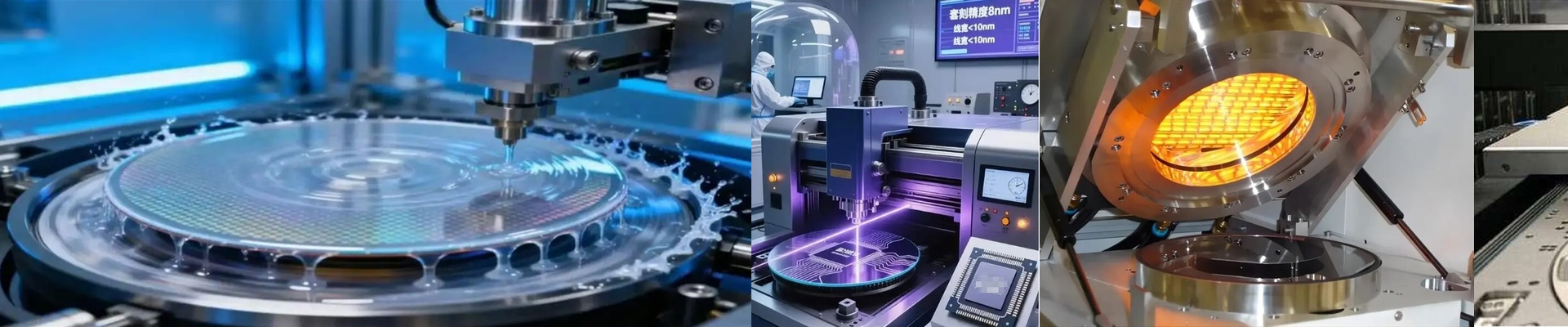
When you’re working in a Class 100 environment, heat is a tricky thing. It’s not just about getting the temperature right—it’s about keeping the air dead clean. The problem is that standard IR lamps are often “dirty.” They outgas or shed tiny, invisible flakes from the reflector. If one of those particles lands on a wafer or an optical component, you’ve got a nightmare on your hands. We figured out a way around this by pairing high-purity quartz envelopes with some very specific aluminum reflectors.
Why we use synthetic quartz
We went with synthetic high-purity quartz for the lamp envelope. Why? Because it can take a beating. When you’re running at high wattage, most glass starts to degrade or “smoke.” Not this stuff. It handles thermal shock like a pro and won’t leak metallic impurities into your workspace. It just stays clean, even when it’s glowing hot.
The reflector struggle
Here is the thing: the reflector is usually where the contamination starts. Cheap polished sheets are a disaster—they peel or oxidize over time. We use a high-grade aluminum with a finish designed to bounce IR energy back where it belongs without shedding any particles. The fit has to be perfect. We keep the geometry tight so the heat hits the target directly. If your reflector is off by even a few millimeters, you lose that punchy heat density, and suddenly your whole enclosure is warming up. Nobody wants that.
Getting it to actually work
These lamps fit into most high-cleanliness lines without much fuss. But a quick tip: check your airflow. The materials themselves are clean, but intense heat creates convection currents. If your laminar flow isn’t dialed in, those currents can actually suck dust up from the floor and right onto your part. We’ve run these in 24/7 cycles with zero particles to show for it. Just a heads-up—make sure your wiring is shielded. The power supply can kick off some electromagnetic interference that might trip your sensitive cleanroom sensors.