


Why We Ditched Ozone in Semiconductor IR Curing
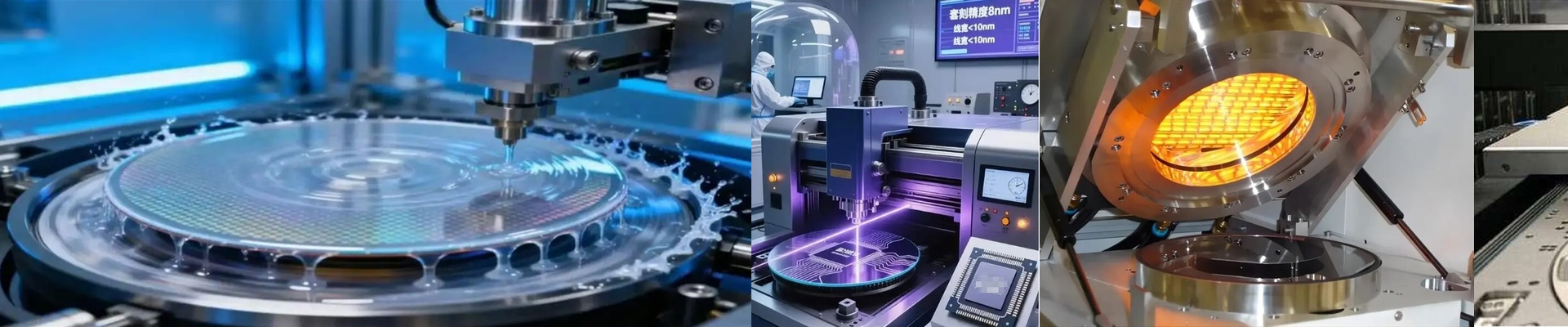
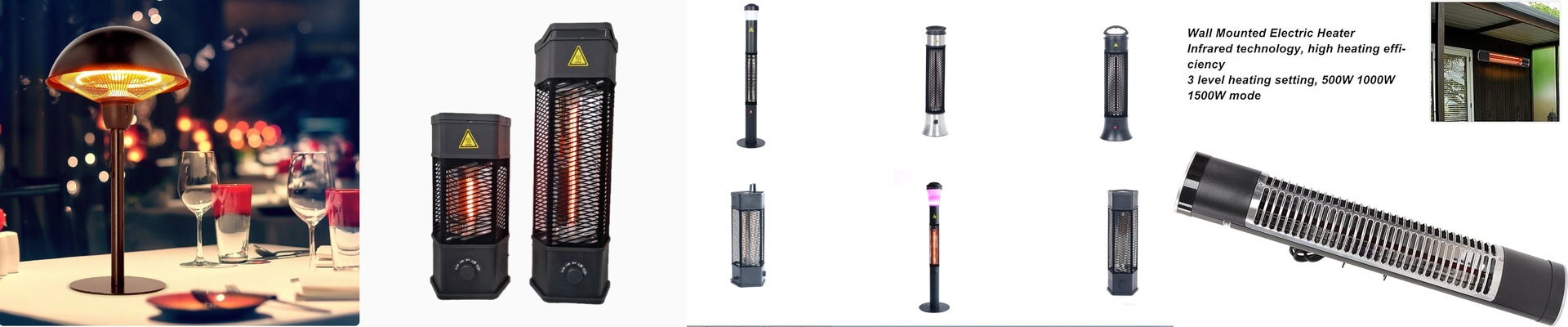
When you’re working in a semiconductor fab, the last thing you want is contamination. One tiny slip-up, one rogue toxin leaking into the cleanroom, and your wafers are toast. That’s why we moved toward ozone-free infrared (IR) lamps. It’s a cleaner way to hit those “green” targets without relying on old-school solvents or UV setups that leave a chemical mess behind. The problem with standard IR Here’s the thing: most shortwave IR lamps throw out radiation in that 185nm to 254nm range. That energy basically rips oxygen molecules apart, and suddenly you’ve got ozone (O3) floating around your workspace. In a fab, ozone is a nightmare. It eats away at your tools and makes the air hazardous for the people working there. We fixed this by using specific quartz filters and filament mixes that just block those short wavelengths. You still get all the heat you need to cure your parts, but none of the nasty gas. Heating the part, not the air If you’ve switched to lead-free solders or eco-friendly adhesives, you know they’re stubborn. They need more heat to activate than the old stuff did. Our lamps handle this by blasting high-intensity radiant heat directly into the substrate. Instead of wasting energy heating up the air inside a giant oven, you’re putting the energy exactly where it belongs: on the part. It’s faster. It’s more efficient. And your power bill will thank you. The catch (and how to handle it) Now, there is a trade-off. When you pack that much power into a small footprint to speed up your line, your power supply feels it. You’ve got to make sure your cooling manifolds are actually up to the task. If the airflow around the lamp housing is weak, you’re looking at warped quartz or filaments that burn out way too soon. It’s a simple fix, but it’s a critical one. The best part? These systems are basically drop-in replacements. You swap the lamps, plug them into your existing controllers, and you can rip out those clunky ozone extraction systems. It clears up your floor plan and keeps the regulators happy. Simple as that.