On the lithography floor, you learn fast that a 1°C drift during photoresist soft bake doesn’t just “shift” the process—it prints a linewidth excursion that can scrap the whole lot. And if your wafer drying leaves even a thin skin of surface tension, you’re trapping particles and kissing yield goodbye. Thermal control isn’t a background function. It is the process.
What matters, technically
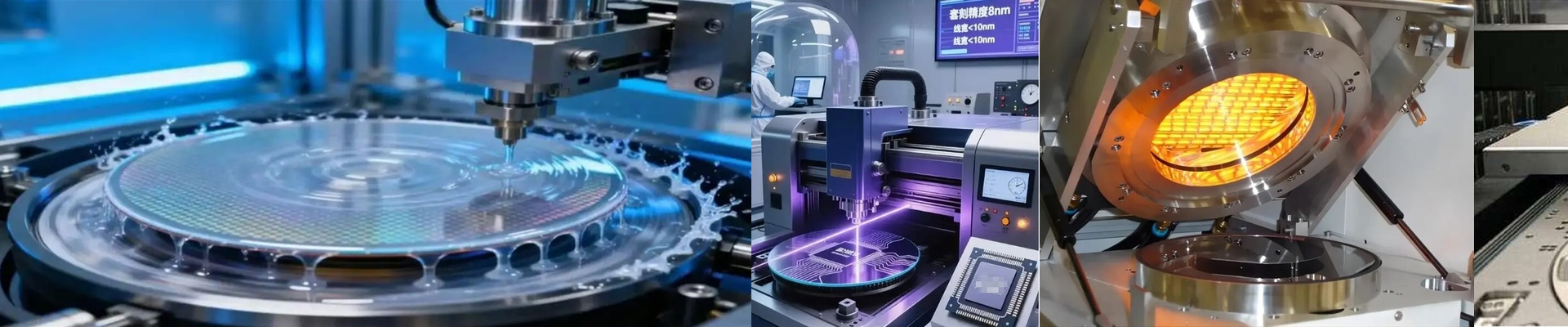
Our short-wave infrared heaters hold wafer-level uniformity within ±0.1°C across the chuck, with setpoint repeatability under ±0.2°C. The fast ramp cuts cycle time, and the closed-loop control keeps temperature stable even when the door cycles open and closed. The quartz-free emitter design keeps particle excursions at zero, so you stay inside cleanroom Class 1–100 spec. You get 24/7 reliability with zero unplanned downtime, backed by MTBF data exceeding 10,000 hours.
Why it works in the fab
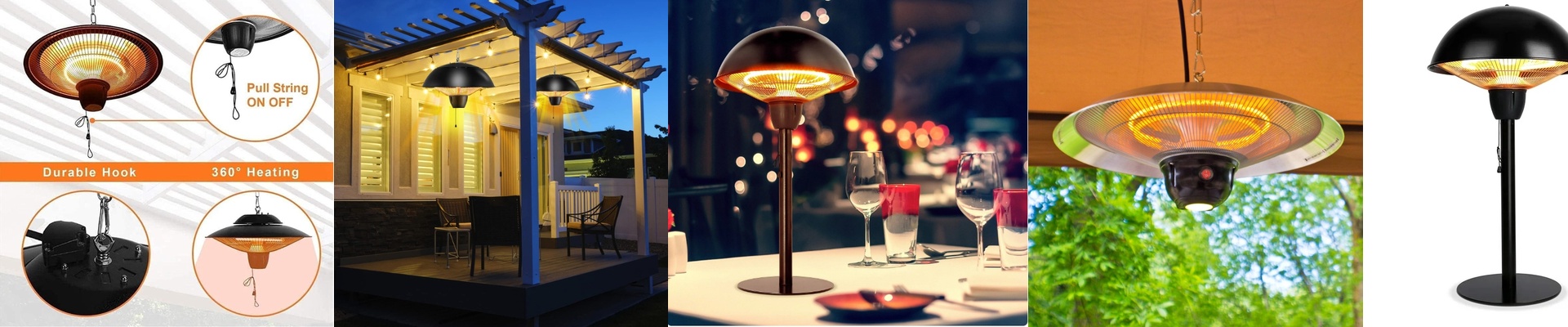
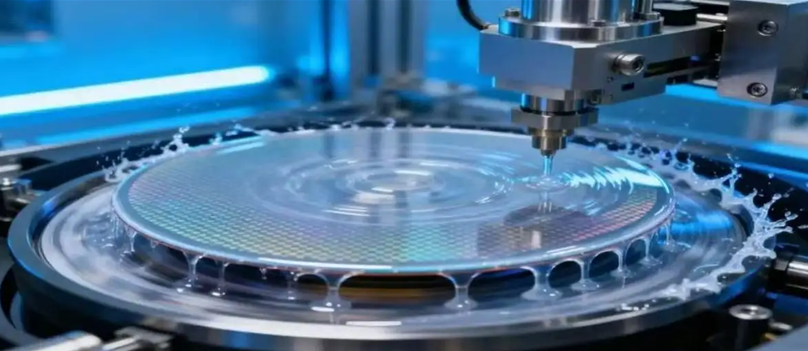
In wafer drying, the NIR field penetrates micro-features and drives off solvents without forming a skin, so you get contactless drying that reduces particle adhesion. For photoresist pre-bake and hard bake, that uniformity and repeatability translate straight into tighter critical dimension control, less scum, and lower defect density. Energy use drops too—rapid thermal response means less idling, which trims operating cost per batch.
What you need to plan for
Installation is straightforward on standard tracks, but the optics are line-of-sight. Reflectors and emitter alignment have to be verified on first setup, and you’ll need tool-to-tool calibration transfer when swapping heaters. Expect a short warm-up stabilization window before you qualify the process. Once calibrated, drift stays minimal—just make sure you budget the initial alignment as part of integration.