Why Carbon Fiber IR is Winning in the Semiconductor World
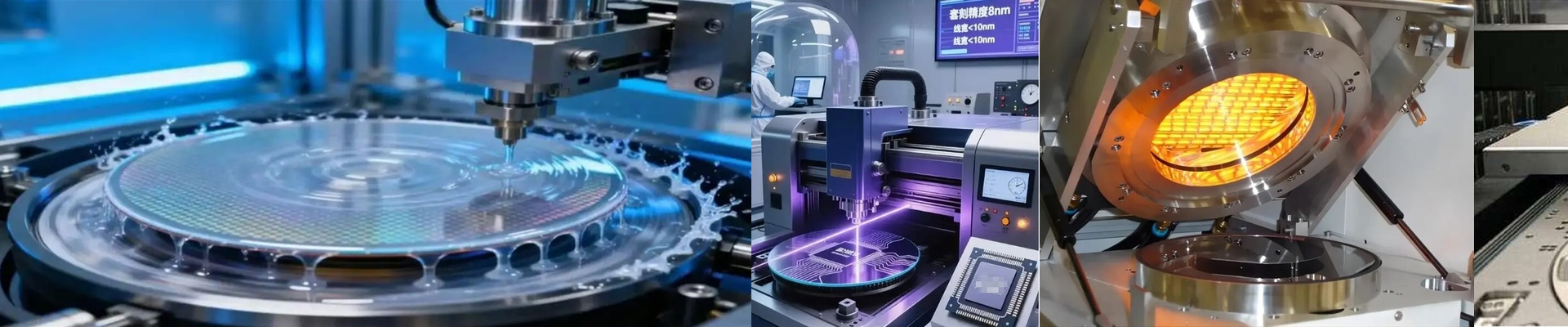
The semiconductor industry is under a lot of pressure to go green. Between the push for lead-free materials and the demand for zero-emission drying, the old ways of doing things just aren’t cutting it anymore. That’s why we’re seeing a big shift away from those clunky convection ovens and halogen lamps. Carbon fiber IR lamps are stepping in because they get the job done without the waste.
How it actually works
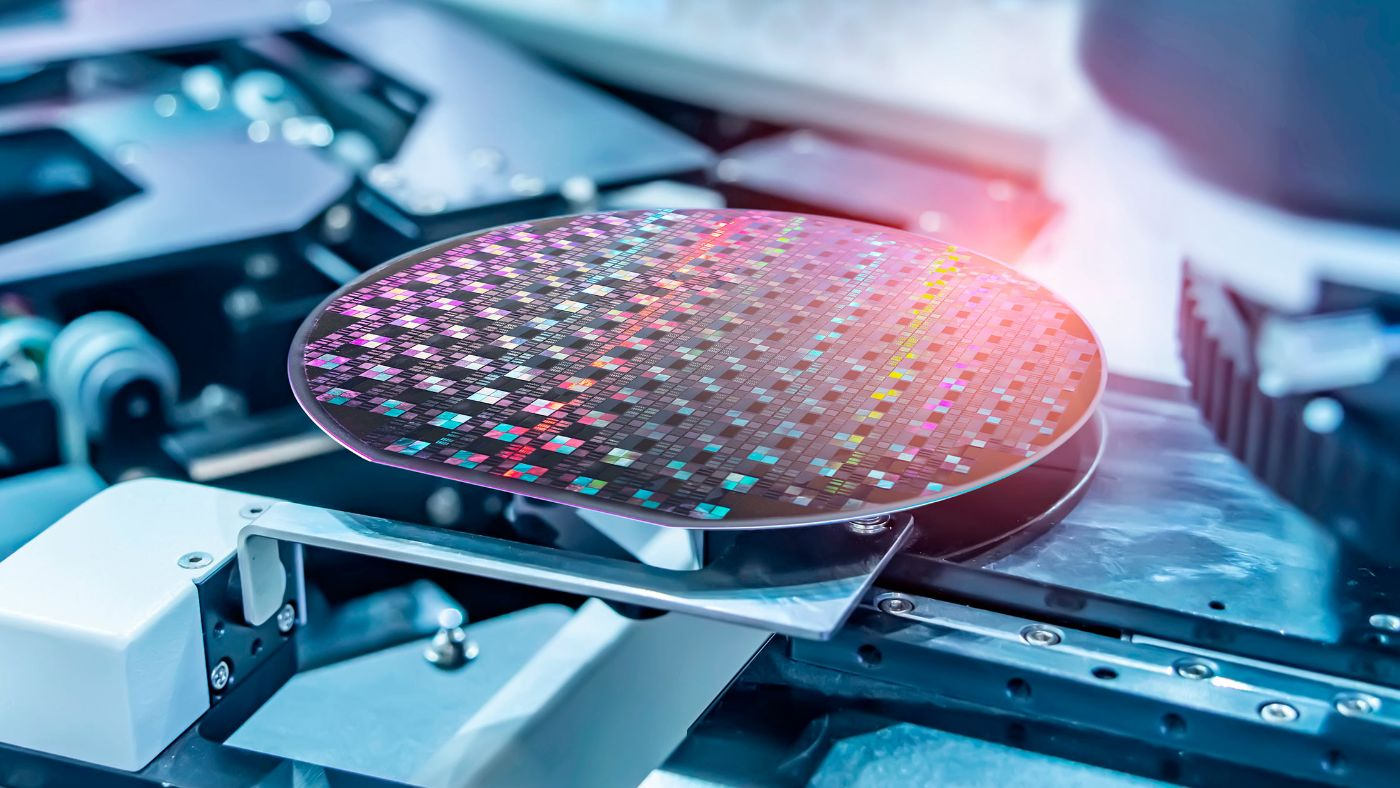
Think of these emitters as a high-resistance carbon filament tucked inside a quartz tube. Instead of just blasting heat, they put out a broad spectrum of medium-to-long wave IR. Here is why that matters: the heat actually sinks into the photoresists and adhesives rather than just scorching the surface. You get a nice, even heat across the whole wafer. No more worrying about the warping you get with those aggressive shortwave lamps.
Saving energy (and headaches)
If you’re working with lead-free solders, you know how picky they are. You need a very specific thermal profile or you risk oxidation. Carbon fiber lamps hit that target temperature in seconds. It’s fast. Really fast. And that changes everything for your workflow because you can ditch those massive, power-hungry pre-heating chambers. Plus, you aren’t wasting energy heating up the air in the room—you’re only heating the product. No combustion by-products, no ozone smells. It’s a clean swap for those old, polluting elements.
The honest trade-offs
Nothing is perfect. Because carbon fiber lamps have a larger emitting surface, they’re great at killing off “hot spots.” But, they don’t ramp up quite as instantly as shortwave quartz. If your process needs a literal “flash-cure,” this might feel a bit slow. You’ll need to tweak your conveyor speed to match the way the carbon filament holds and releases heat. We’ve built these specifically for the cleanroom. The quartz is chemically inert, so you don’t have to worry about outgassing or contaminating your wafers. Just pair it with a solid PID controller to keep your temperatures locked in, and you’re good to go.