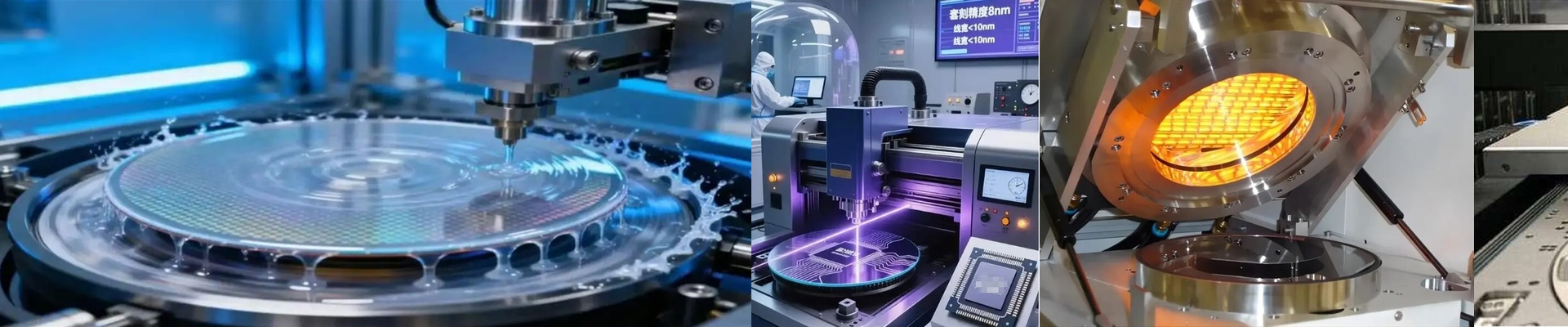
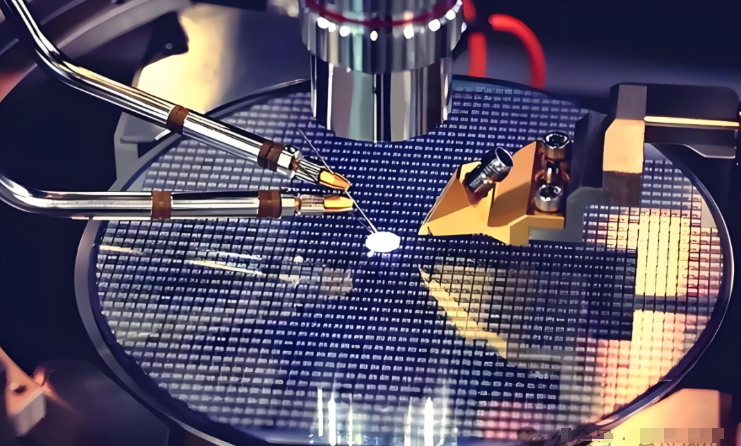
Out on the fab floor, you know how quickly things go sideways. A half-degree drift in bake temperature and your photoresist profile is off-spec. The line stops. We built our infrared lamp socket to keep thermal behavior nailed down, shift after shift. What matters under the hood The socket pairs short-wave infrared emitters with a quartz halogen lamp path and a low-outgassing ceramic body. Soft bake and hard bake stay within ±0.1°C across the wafer, and setpoint repeatability holds at ±0.05°C. The materials and finish are cleanroom-ready for Class 1–100, and the design doesn’t cough up particles when it cycles. Power comes through a high-cycle connector built for 24/7 duty, and the thermal profile stays consistent from the first wafer to the last. Here’s why it matters in lithography: the bake step sets your critical dimension control and your defect budget. With this socket, the temperature stays where the recipe calls for it, so CD bias stays tight and photoresist yield improves. You get more consistent exposure latitude, fewer rework lots, and less scrap. Energy use drops because the lamp hits setpoint fast and holds it without overshoot. And when thermal excursions stop tripping alarms, unplanned downtime falls off the board. A couple of practical notes before you roll it out. Installation needs a match to the tool’s mechanical envelope and electrical interface—double-check lamp length, base type, and voltage before change-out. The socket only performs to spec when it’s paired with the specified lamp and the tool’s cooling and reflector paths are clean. Plan preventive maintenance around lamp end-of-life to avoid drift, and keep spare lamps in sealed packaging to protect cleanroom compliance.