Keeping Your Bathroom Heaters Safe (And Your Glass Intact)
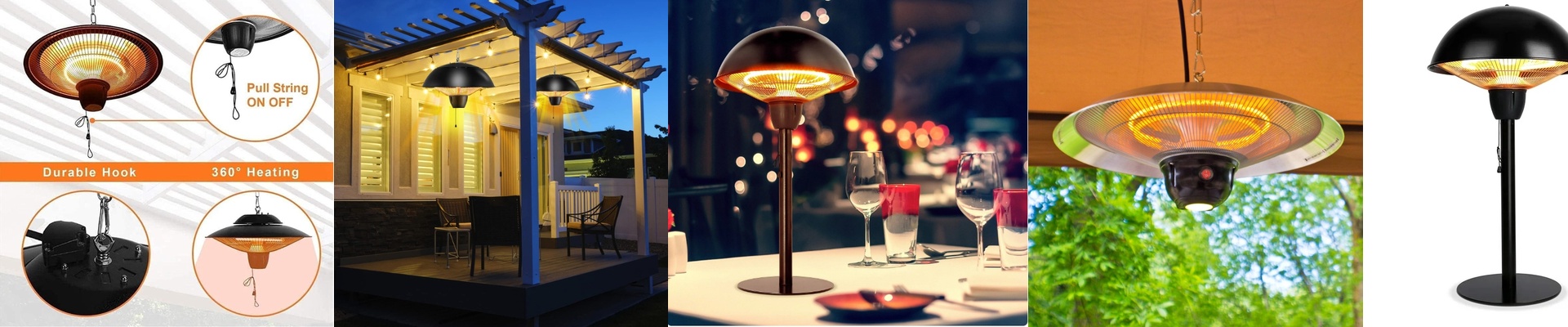
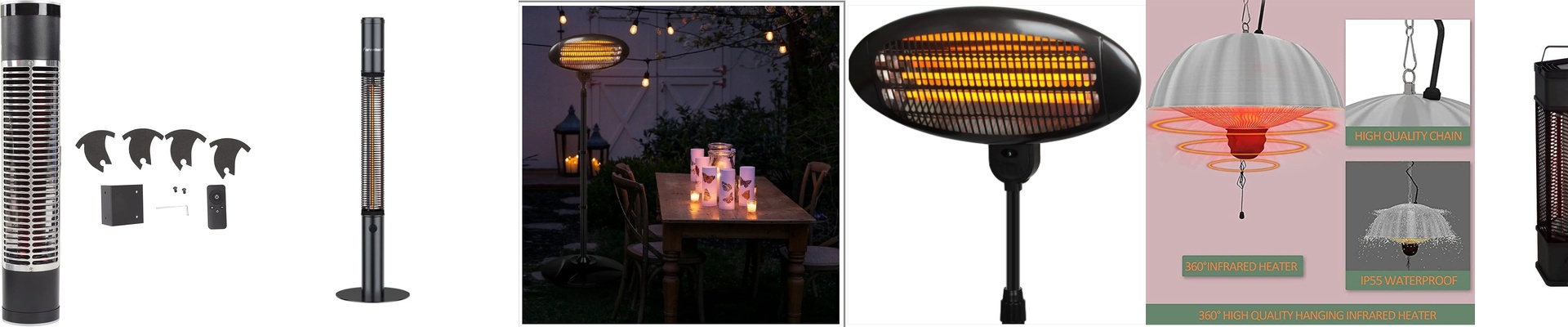
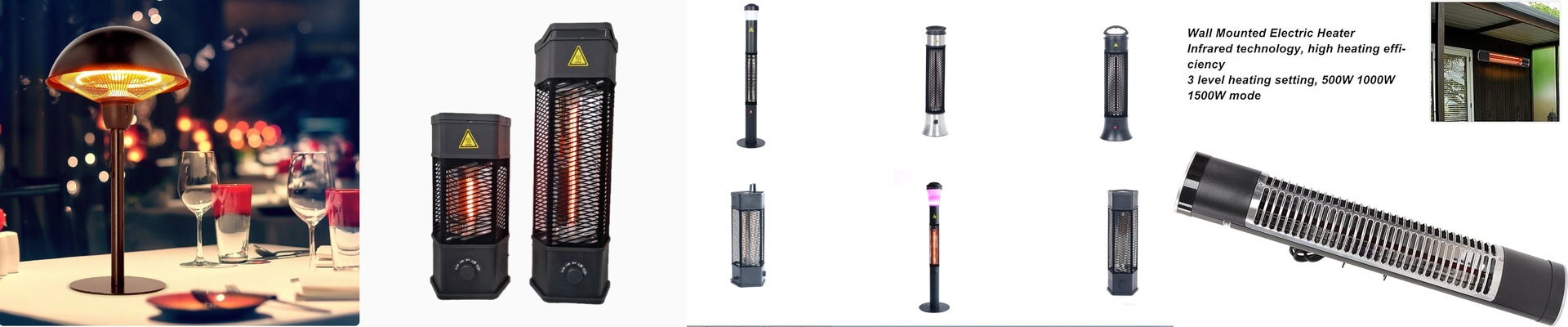
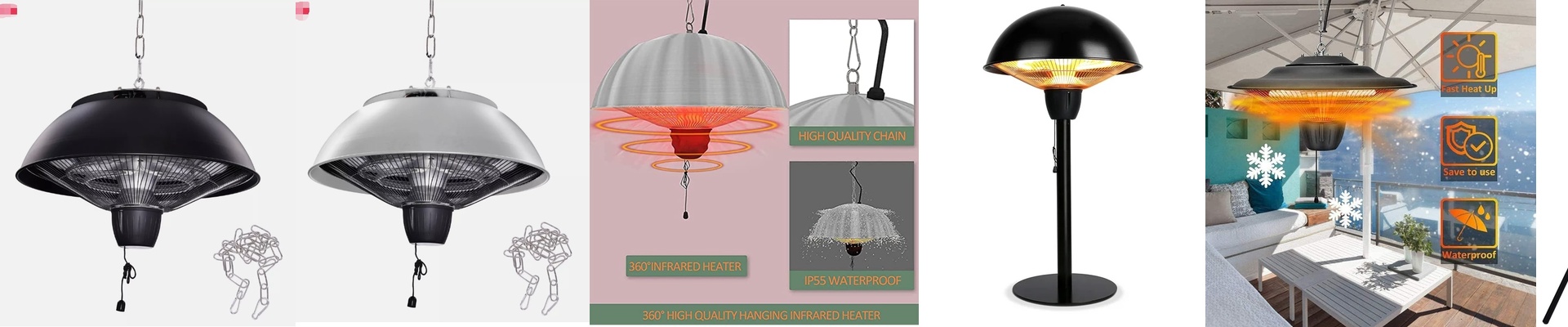
Let’s be honest: there’s nothing worse than stepping out of a hot shower into a freezing bathroom. That’s why we use recessed infrared heaters. They use quartz elements to blast you with heat the second you flip the switch. But here’s the problem. Bathrooms are wet. And when you mix extreme heat with water, things can get messy. The weakest link in the whole setup is the quartz tube. If a stray drop of cold water hits a glowing hot tube, the glass can freak out. It’s called thermal shock. In a cheap heater, that tube could actually shatter, sending glass shards right where you’re standing. We don’t do that. We useexplosion-proof quartz glass. It’s built with a protective layer that absorbs that stress, so if a splash hits the element, the glass stays put. You get the warmth without the worry.
How it actually works
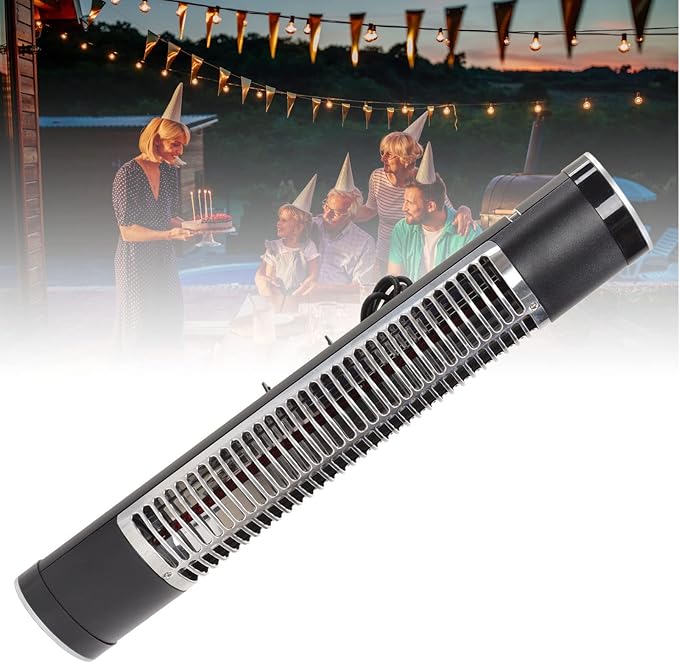
These heaters use short-wave infrared technology. Inside that quartz tube, there’s a tungsten filament that gets incredibly hot—we’re talking over 1,000°C. The beauty of this is that it doesn’t waste time trying to warm up all the air in the room. It just beams the heat directly onto you. It’s instant. One thing to keep in mind: power matters. More wattage means more heat, but it also puts more pressure on your home’s wiring. Just make sure your circuit breakers can handle a few of these running at once, or you’ll be spending your morning resetting the power box.
A few tips for the install
Going with a recessed design looks great because it stays flush with the ceiling. It’s clean. It’s minimal. But there’s a catch. Because it’s tucked away, there isn’t much room for the heat to escape around the electrical terminals. If you use cheap wiring, the insulation will eventually fry.**Always use high-temperature rated wires.**It’s a small detail that prevents a big headache later. Also, do yourself a favor and check the housing seal once a year. You want to make sure the gasket is still tight so moisture isn’t sneaking past and hitting your electrical connections. A quick check now saves a lot of trouble down the road.