
Stop Wasting Heat: Why Gold-Coated Twin-Tube Lamps Actually Work
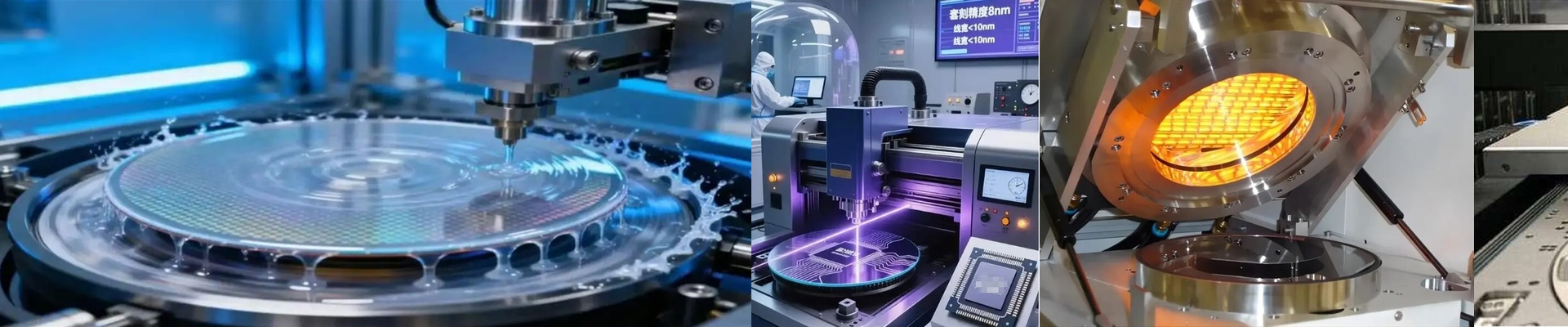
If you’re heating semiconductor wafers and you’re losing energy to the surrounding air, your system design is fighting against you. Most standard quartz lamps just spray heat in every direction. In a tight tool footprint, that’s a disaster. Most of that expensive energy just hits the housing or vanishes into the room. We fixed this by using gold-coated twin-tube lamps to push that heat exactly where it needs to go: straight onto the substrate. The magic of the gold coating Gold is incredible at reflecting infrared energy. By adding a thin layer of it to the back of the lamp, we basically turn the lamp into a flashlight for heat. Instead of a 360-degree glow, the gold bounces those rear-facing photons forward. You end up with a concentrated beam hitting the wafer surface. It’s simple. Every watt you pay for actually helps hit your process temperature instead of just warming up the machine’s frame. Why the “Twin-Tube” part matters We use a twin-tube setup because it gives you double the filament surface area without taking up more space. This is a big deal for the hardware. You can crank up the wattage without pushing a single filament to its breaking point, which means you aren’t replacing burnt-out lamps nearly as often. Plus, you get way more heat flux into the wafer, so your ramp-up times drop significantly. It’s just faster. A few things to watch out for Now, this kind of power comes with a trade-off. Because the gold coating focuses the heat so intensely, you have to be spot-on with your PID controllers. If your gap distance is too tight, you’re going to get hot spots or, worse, damage the wafer. You also need to make sure your cooling system can handle the load on the lamp supports, otherwise, the whole assembly might warp. We designed these as drop-in replacements for high-throughput lines where you can’t afford any uneven heating. Just get your distance dialed in, and you’ll see your power bills drop while your surface temperatures stay exactly where they should be.