Why we put our bathroom lamps through a “humidity boot camp”
Let’s be honest: bathrooms are a nightmare for electronics. You’ve got thick steam, wild temperature swings, and water vapor getting into every tiny crack. If we just tested a lamp on a dry workbench and called it “good to go,” it would probably die the second it hit a real shower stall. Nobody wants a heater that shorts out after two months.
The battle against moisture
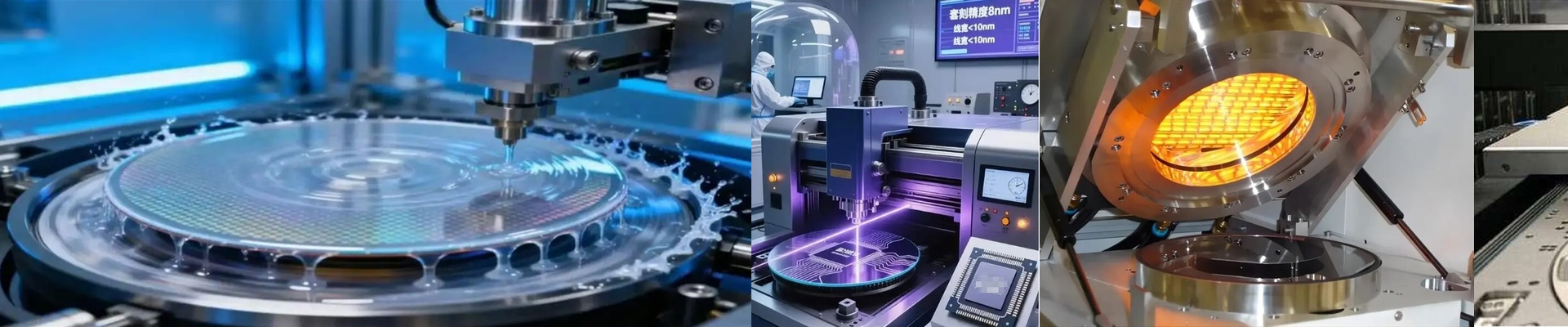
Most of these infrared heaters use quartz glass and halogen filaments. Now, the glass itself is tough. The real problem is the seal where the electrodes meet that glass. Water vapor is sneaky. It finds microscopic gaps and crawls right in. Once that moisture touches a live filament or a connector pin? Boom. You get oxidation or a nasty electrical arc. That’s why we don’t just hope for the best. We throw every batch into high-humidity chambers. We’re basically trying to break them. We blast them with 95% humidity at 40°C for hundreds of hours. If a lamp can’t survive that, it stays in the factory. Period.
It’s not just the wetness—it’s the shock
The humidity is one thing, but the temperature swings are what really do the damage. Think about it. A lamp goes from room temperature to 800°C in a heartbeat, then cools down in a room full of steam. That puts a massive amount of physical stress on the seals. Our aging tests mimic this “thermal shock” to make sure the glass doesn’t crack and the filaments stay exactly where they belong.
The trade-off (and why it’s worth it)
Here’s the catch: these tests take time. It means our lead times are a bit longer. We can’t just “fast-track” an order if the lamps are still sitting in the humidity chamber. But it’s the only way to sleep at night. I’d rather take a few extra days now than deal with thousands of returns because a seal leaked in a humid climate. We’ll take the slower shipping date any day if it means you get a lamp that actually stays lit.