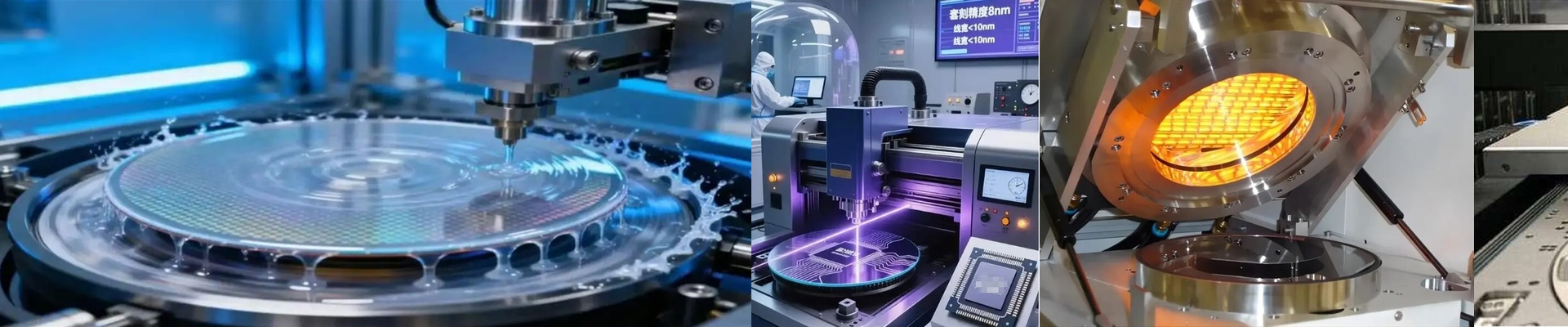
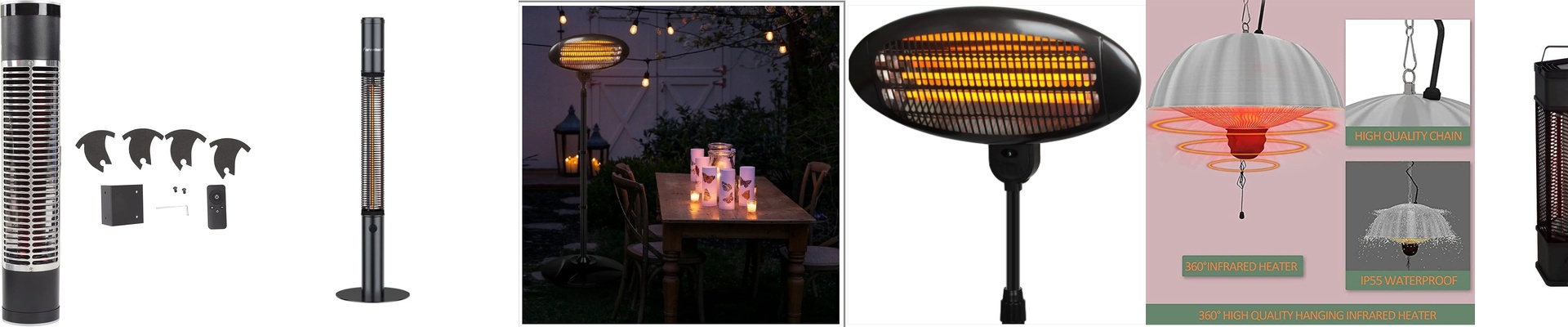
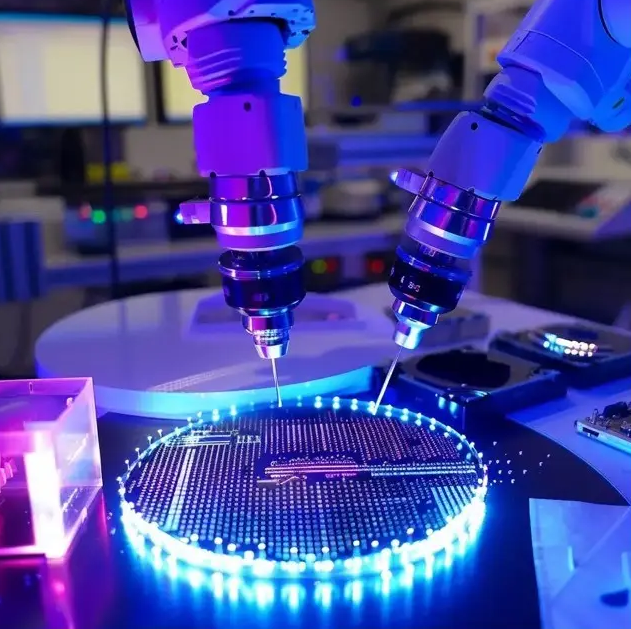
On the fab floor, you know exactly what a 1°C excursion during photoresist bake can do—move linewidths enough to scrap a whole lot. You need heat that hits the mark precisely, exactly where and when you call for it, shift after shift. What matters under the hood We run certified infrared curing lamps that deliver NIR energy with wafer-level thermal uniformity of ±0.1°C across the shot, so your photoresist profiles stay inside thermal budget. Quartz-halogen emitters keep output stable from soft bake through hard bake, with repeatable ramp profiles that protect critical dimension control. The system is built for cleanroom Class 1–100 operation, with zero particle increase at the process interface and full compliance with SEMI S2/S22 safety and EHS requirements. Closed-loop temperature control, calibrated to traceable standards, locks in bake consistency from lot to lot and shift to shift. Here’s why it sticks in lithography: the bake step sets adhesion, solvent removal, and the glass transition—everything that comes after rides on that. With this lamp, your soft bake and hard bake profiles are repeatable, which cuts down rework, protects reticles, and keeps scrap off the floor. It comes up fast, hits setpoint quickly, and holds without overshoot—so cycle time shrinks and throughput settles out. Energy use drops because the energy goes straight into the wafer, not into heating up the chamber. Reliability is proven in 24/7 fab operation, with long emitter life and modular serviceability that keeps unplanned downtime where it belongs—low. A few practical notes The lamp needs a dedicated, filtered power feed and proper thermal isolation to keep uniformity where you want it. Retrofits are straightforward on most tracks, but alignment tolerances are tight. Plan a short qualification run to map temperature across the hot zone and tune the bake recipe to your film stack. Once calibrated, the process window tightens predictably—and that’s exactly what you want when you’re chasing high-yield lithography.