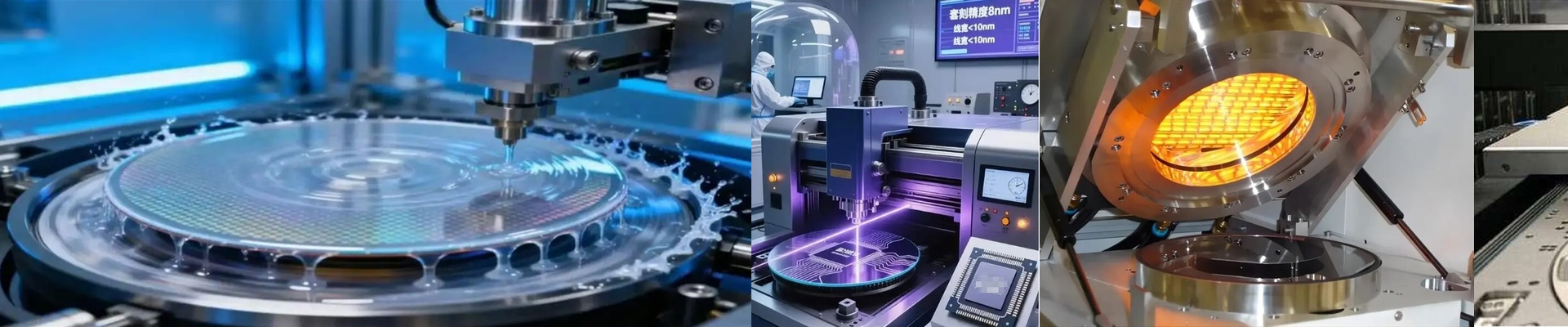
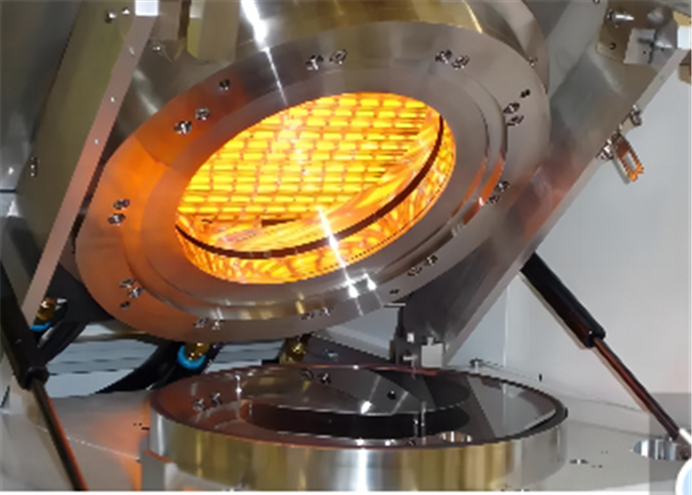
On the fab floor, bio-sensor wafers force you to keep a tight leash on thermal control—because the photoresist simply won’t forgive drift. As critical dimensions keep shrinking, a soft bake or hard bake that’s off by even a couple degrees will shove linewidths out of spec and send scrap up. Infrared lamps built for semiconductor work hit that problem head-on. What actually matters under the hood The IR lamps we run in bio-sensor fabrication put out short-wave NIR tuned for fast, localized heating without overshoot. You get wafer-level temperature uniformity within ±0.1°C across the bake zone. Photoresist sees consistent energy delivery, so soft bake and hard bake profiles hold setpoint with minimal variance. The system is cleanroom-ready for Class 1–100 environments, and it doesn’t shed particles while it’s running. Count on 24/7 reliability with zero unplanned downtime, backed by a thermal design that keeps the chamber and the surrounding tools thermally isolated. Why it fits this process Bio-sensor wafers stack thin films and fine metal traces that are unforgiving when the bake isn’t uniform. Keeping bake temperature consistent improves photoresist adhesion, cuts defects, and tightens critical dimension distribution. The payoff is higher line yields and fewer rework lots. You also save energy because the lamp heats the target area directly, not the whole platform, and cycle times shrink thanks to faster ramp-to-soak. You end up with repeatable performance across shifts, lots, and machines. What you need to get right Installation comes down to matching the lamp footprint to the bake station and aligning the NIR beam to the wafer plane; tolerance stack-up in the tool can still shift uniformity. Run a short qualification to tune the profile and verify temperature mapping. The lamp performs best on substrates with predictable absorption—highly reflective or transmissive layers may need a small profile tweak. Once calibrated, it runs with minimal maintenance and holds stable output for 5,000+ hours.