Why Quartz Glass is the Unsung Hero of Your IR Setup
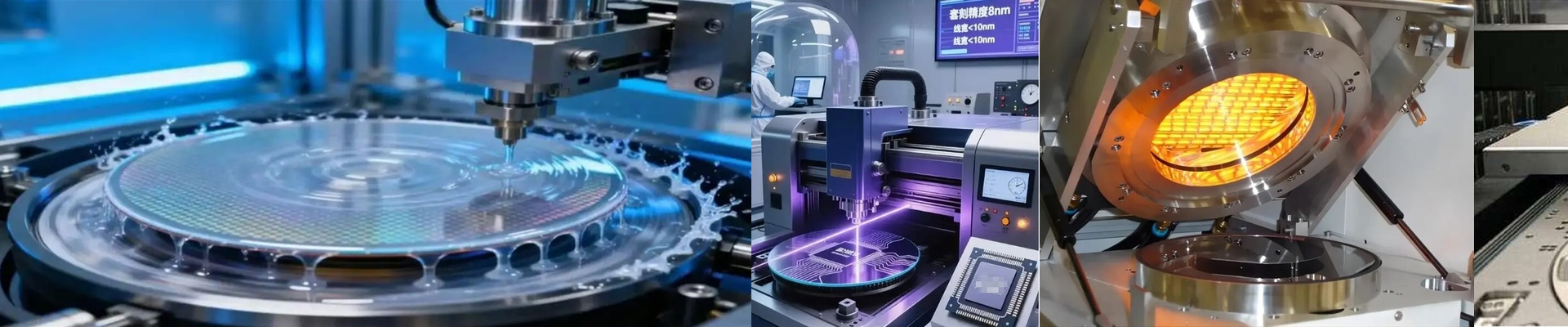
In a modern fab, heat isn’t just a number on a screen. It’s the difference between a perfect batch and a total waste of time. When you’re setting up an infrared (IR) system, that quartz glass shield is basically the bodyguard for your lamp. We stick with high-purity fused quartz for a simple reason: it doesn’t freak out when things get hot. It handles those brutal temperature swings without cracking, all while letting the shortwave IR radiation slide right through.
The grit behind the glass
If you tried this with standard glass, it would melt or turn cloudy almost instantly. Quartz is different. It stays rock solid at temperatures that would make most metals start to soften. Beyond the heat, there’s the mess. Fabs are full of chemical vapors and dust—stuff that loves to kill a lamp early. The shield keeps that junk away from the heating element so your gear actually lasts. But here’s the trade-off. Thickness is a balancing act. Go too thin, and you get great heat transmission, but your technicians might crack it just by looking at it during install. Go too thick, and you lose some of that heat density. You’ve just got to find the sweet spot for your specific process.
Making the data actually make sense
Everyone is talking about “smart factories” and data, but data is useless if it’s noisy. When you pair a solid quartz shield with high-efficiency lamps, your thermal environment stabilizes. It stops jumping around. That means your sensors can actually give you a clean reading. It makes the whole “digital twin” thing actually work. When the heat is steady and the shielding is dialed in, your software can tell you exactly when a lamp is about to give up the ghost. No guessing. No surprises.
The reality check
Look, quartz is tough against chemicals, but it’s still glass. It’s brittle. If your team is rushing a swap-out and gets clumsy, those shields will chip. It happens. And one more thing: quartz is great at letting IR through, but it doesn’t stop everything. Some of that heat is going to bounce right back toward the lamp housing. Make sure your cooling system is beefy enough to handle that kickback, or you’re going to have an overheating problem on your hands.