
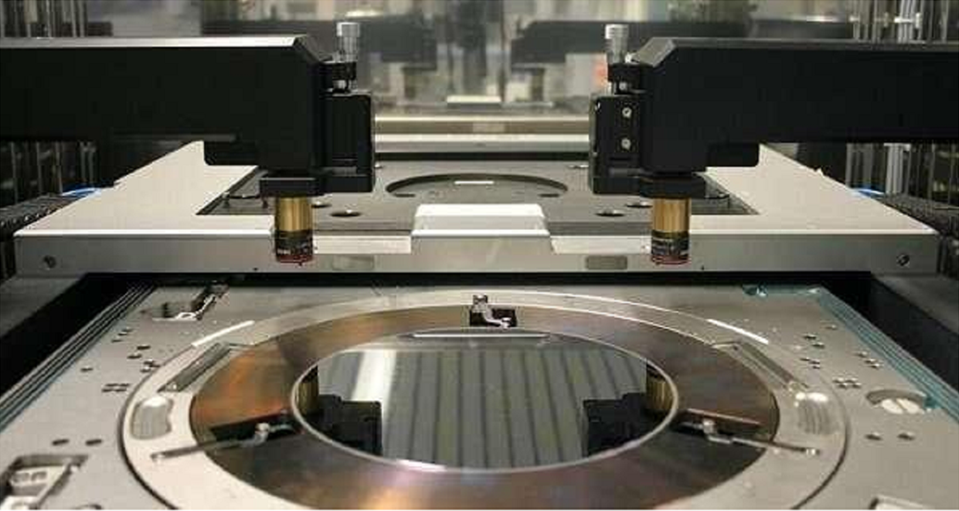
Out on the line, the thin film solar cell stack doesn’t forgive thermal drift. A soft bake that’s even a degree off can leave photoresist residues, cause scumming, and kill yield. You need heat that lands on target and stays put, cycle after cycle.
Infrared Precision: Sub-Millimeter Thermal Field Control
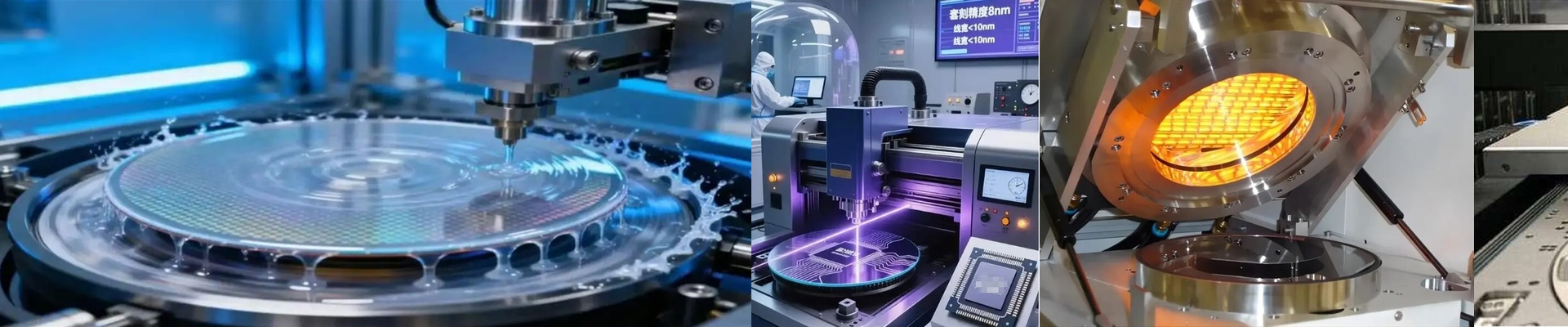
We built this dryer lamp around NIR sources tuned for fast, localized heating. The payoff is a sub-millimeter uniform thermal field across the substrate, with wafer-level temperature uniformity held to ±0.1°C. Repeatability is baked into the control loop, so every soft bake and hard bake matches the last—no hot spots, no cold edges. It’s cleanroom Class 1–100 compatible, and zero particle generation keeps your particle count flat through long runs.
Why It Works in Thin Film Solar Cell Processing
Thin film solar cells demand tight thermal budgets and clean interfaces. This lamp delivers the repeatability you need for consistent photoresist processing in lithography—soft bake through hard bake—without overshoot that triggers solvent bursts or undershoot that leaves residuals. The fast, direct heating cuts bake time, lowers energy draw, and keeps the process window stable. Units run 5,000+ hours with less than 5% output drop, supporting 24/7 operation with fewer lamp swaps and less unplanned downtime.
Installation and Operating Notes
This dryer lamp drops into existing tracks cleanly, but the optics path needs precise alignment to keep the uniformity spec. You’ll run a short commissioning step to set the standoff and beam profile for your substrate stack. Operating in low-humidity environments helps long-term stability. If your line swings between substrates with very different absorption, the recipe has to be re-qualified to keep the thermal budget within spec.