
Why we’re swapping ovens for IR in semiconductor packaging
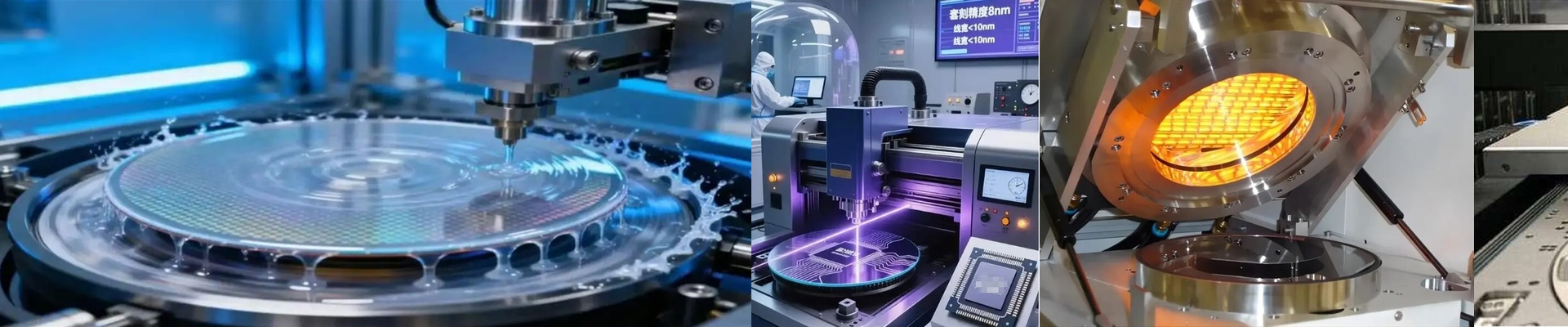
When you’re curing epoxies or bonding dies, you’re fighting a constant battle with heat. Get it wrong, and your substrate warps. It’s a headache. For a long time, we just threw everything into big convection ovens. But here’s the problem: you have to heat up the entire air-filled cavity just to warm up a tiny piece of silicon. It’s a massive waste of power. That’s why we’ve moved to infrared (IR) heating. Instead of warming the air, IR sends energy straight into the workpiece. It’s direct. It’s clean. Cutting the waste If you’re trying to run a green factory, you have to look at the carbon footprint of every single wafer. IR lamps are great because they pack a lot of power into a tiny space. We can actually tune the wavelength to match the materials we’re using. This means the energy goes exactly where it needs to go, not into the room. Your kWh drops, and because these things heat up almost instantly, your line isn’t just sitting there idling and burning electricity while you wait for an oven to preheat. Getting the hardware right Of course, you can’t just blast the parts with heat and hope for the best. If you overshoot the temperature, you don’t just ruin the package—you’ve basically just paid to waste electricity. To stop that, we use smart sensors and closed-loop PID controllers. It’s basically a constant conversation between the lamp and the part. The second you hit your target temperature, the system trims the power. No guesswork. The catch Now, it’s not all magic. There is a trade-off. These high-intensity systems pull a lot of juice. Even though you save energy over the whole cycle, that initial “kick” when the lamps fire up can be intense. If your electrical setup isn’t ready for those spikes, you’re going to be tripping breakers all day. You’ve got to make sure your power distribution can handle the surge. But once that’s sorted? You’ve stripped away all that unnecessary thermal mass. You’ve turned a slow, clunky curing stage into something lean and targeted. It just makes sense.