

Why Gold-Coated Reflectors Actually Matter for Your Wafers
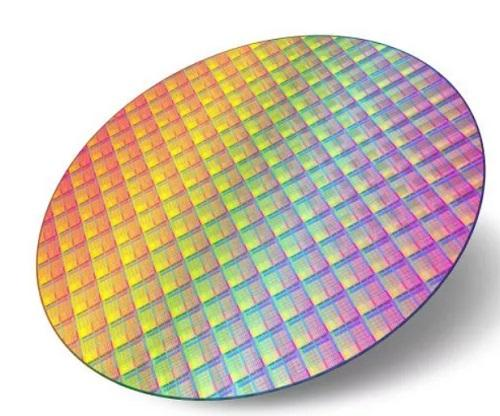
In the world of semiconductor processing, heat loss is a nightmare. It kills your throughput. When you’re fighting for those precise Temperature ramps on a silicon wafer, the last thing you want is your infrared energy leaking into the tool chassis. That’s wasted power. We use gold-coated reflectors to stop that bleed. It basically forces the energy back where it belongs: right onto the substrate.
The deal with gold
You’ve probably used standard aluminum reflectors. They’re okay, but they wear down and they just aren’t that great at bouncing back infrared light. We go with high-purity gold because it reflects up to 98% of that IR radiation. This isn’t about making the tool look fancy. It’s about making sure every single watt your heating element pulls is actually hitting the wafer instead of getting absorbed by the reflector itself.
Getting the heat where it needs to go
The goal here is to squeeze that IR beam into a tight focal point. You want a high-density heat zone exactly where the wafer sits. The result? Your ramp-up times get faster. Your temperature uniformity looks a lot better across the surface. But there is a catch. When you concentrate heat like that, your lamp electrodes take a hit. You’ve got to make sure your cooling manifolds are up to the task, or you’ll end up burning out the lamp ends from the reflected heat soak.
Making it work on the floor
These aren’t some complex overhaul. They’re designed to be drop-in replacements for the footprints you already have. We spend a lot of time obsessing over the curve of the geometry. Why? Because that’s how you kill “cold spots” on the wafer edge. If you’re running metrology checks and seeing uneven thermal profiles, the reflector shape is usually the problem. Switching to gold optics means you don’t have to crank the power as high to hit your target temps. That’s a win for your power supplies and it means your heating lamps will actually last longer.