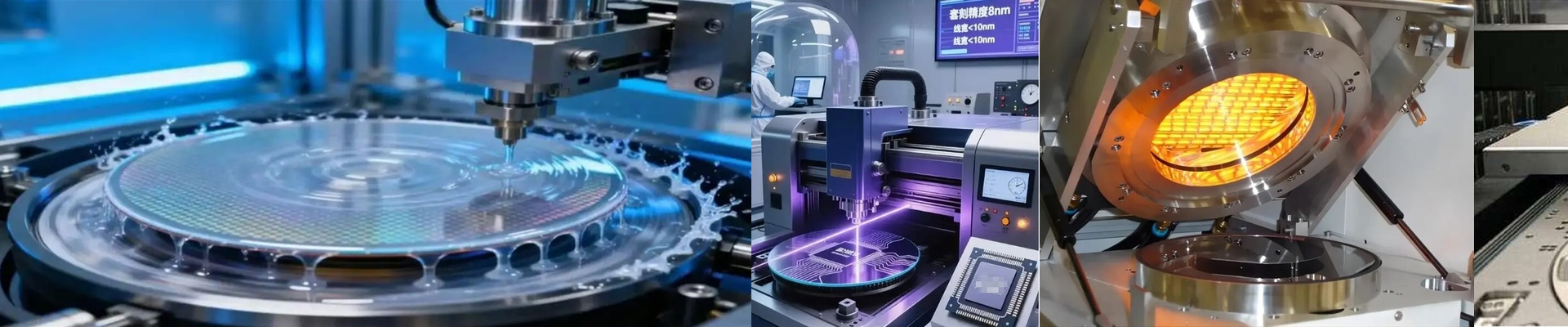
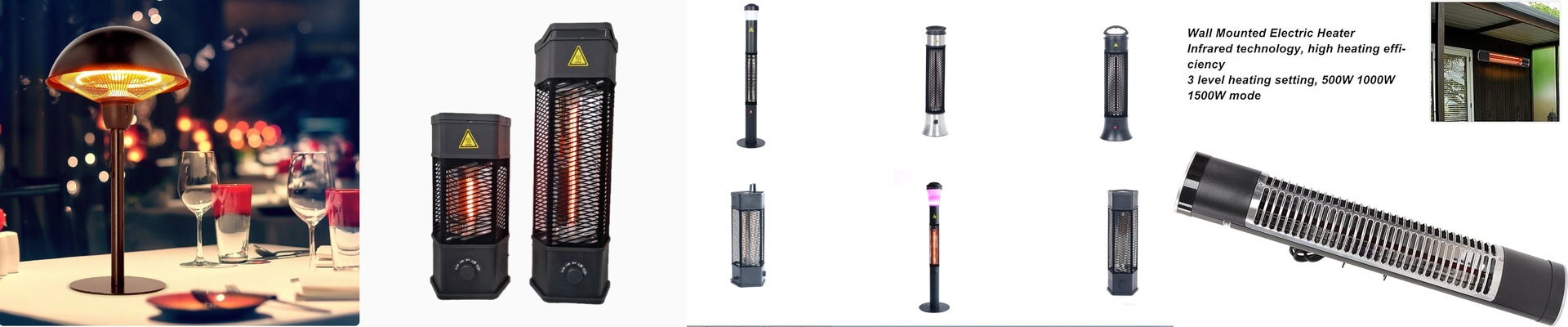
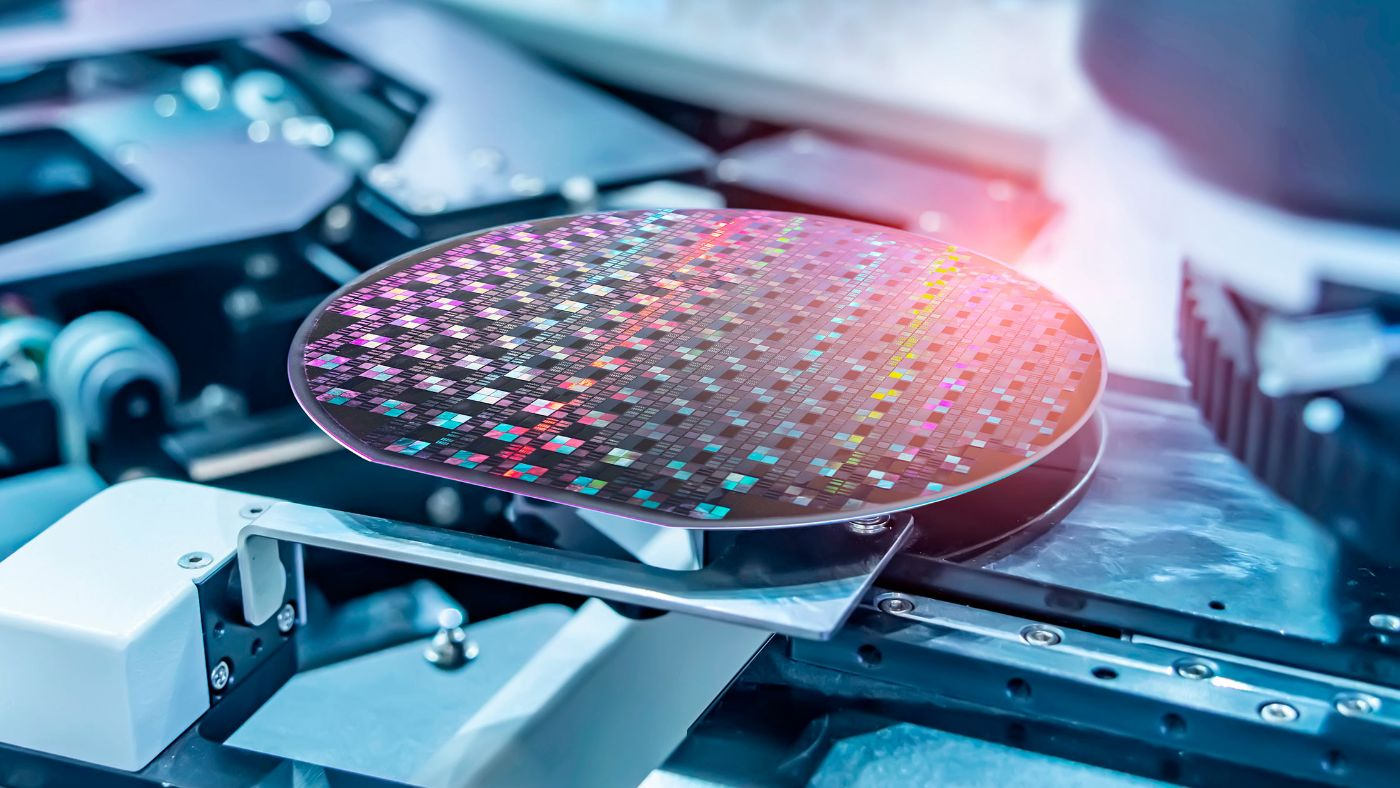
On the lithography floor, a 0.3°C drift during wafer drying or photoresist soft bake will move critical dimensions by nanometers. That drift ends up as yield loss on the line. We built our wafer drying infrared heaters to kill that variability. You get repeatable thermal control where the process is sensitive, and uptime that doesn’t hinge on oven cycling. What matters, technically We run short-wave infrared emitters with fast response and tight spectral control, so the energy couples cleanly into the wafer and photoresist—no overshoot. Temperature uniformity across the wafer stays within ±0.1°C, and repeatability across batches holds in a tight band. Cleanroom compatibility is built in: low outgassing materials, sealed junctions, and surfaces that keep particle generation near zero, so it fits Class 1–100 environments. The heater modules drop into standard process platforms with clean mechanical interfaces and straightforward electrical connections, and they hold stable output for thousands of hours—5,000+ hours with less than 5% output drop. Why it works in practice On the drying side, infrared gives you uniform, fast dehydration. That prevents water marks and micro-bridging before lithography. For photoresist processing, the same system runs soft bake with tight control of the thermal budget, improving line-width uniformity and cutting edge bead. Hard bake and curing steps follow consistent temperature profiles, so adhesion and film integrity hit spec without rework. Energy use drops because the heater only runs when the process runs, and the low thermal inertia cuts idle losses. Fewer bake excursions translates to fewer scrap wafers and cycle time you can count on. What you need to know Installation comes down to optical alignment and clearance—get that wrong and you’ll see localized hot spots on the wafer. Some polymers and anti-reflective stacks absorb strongly in the near-infrared, so the first qualification run should map temperature at the wafer plane with a calibrated sensor to confirm setpoint accuracy. Once the profile is locked, you’re on routine calibration checks—no daily retuning.