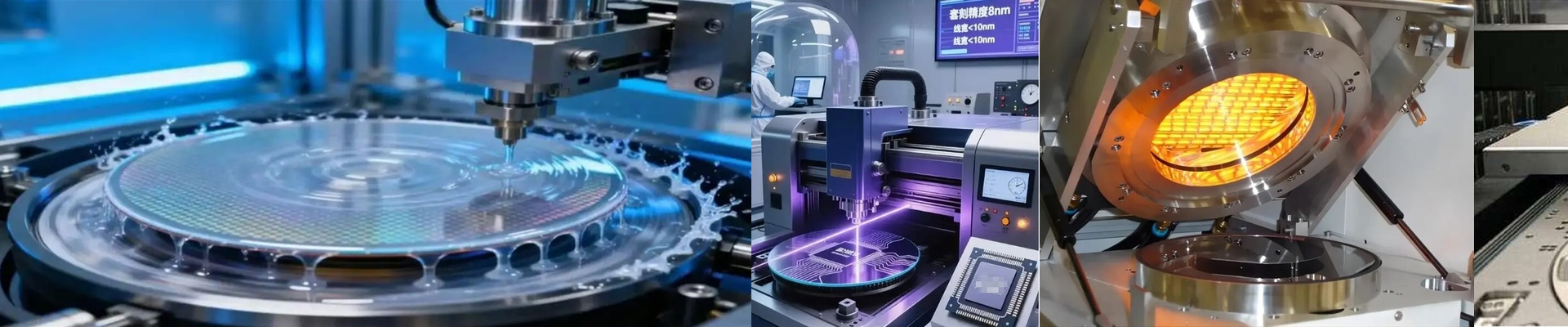
On the fab floor, a 0.1°C drift during the photoresist bake is the kind of thing that quietly turns a whole lot into scrap—line-width control slips, residues hang around, and yield takes a hit. We built the infrared bulb with a gold reflector to knock out that variability, so you get stable, repeatable heat right where lithography and curing need it most.
Infrared heating: hitting uniformity and repeatability
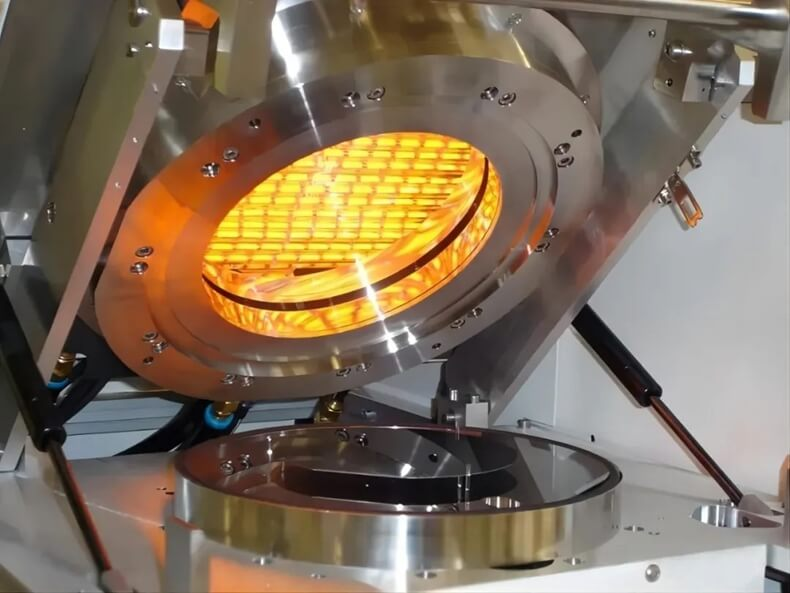
The setup pairs a short-wave infrared bulb with a gold-coated reflector, focusing energy into a tight thermal envelope. You end up with wafer-level uniformity within ±0.1°C across the target area, and sub-millimeter control of the thermal front. Run-to-run repeatability stays solid, so your soft bake and hard bake profiles stay locked to spec. This isn’t just about peak temperature; it’s about controlling the thermal budget precisely, cycle after cycle.
Why it holds up in a semiconductor fab
In Class 1–100 cleanrooms, particle generation is a hard boundary. The gold reflector cuts down stray radiation and reduces hot spots that can outgas contaminants, which helps keep particle counts low. The heater hits setpoint fast, so warm-up time shrinks and you stabilize the process window for photoresist, cleaning, and drying steps. Energy use drops because the energy goes straight to the wafer and gets absorbed efficiently—less wasted heat on chamber walls. It’s built to run 24/7, with consistent output over thousands of hours.
Integration: keep it clean and planned
Plan for clean mounting and proper thermal isolation—those gold reflectors need precise alignment to keep uniformity where it should be. Double-check voltage and connector compatibility with your tool interface, and make sure your chiller and exhaust can keep up with the thermal load during extended bakes. Get the integration right, and you’re looking at stable thermal control, predictable bake profiles, and fewer excursions.