Introduction
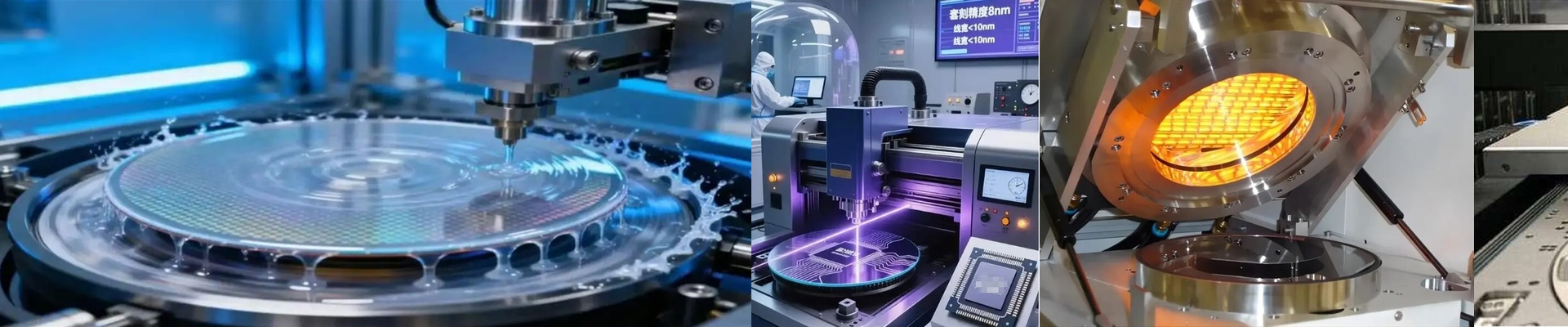
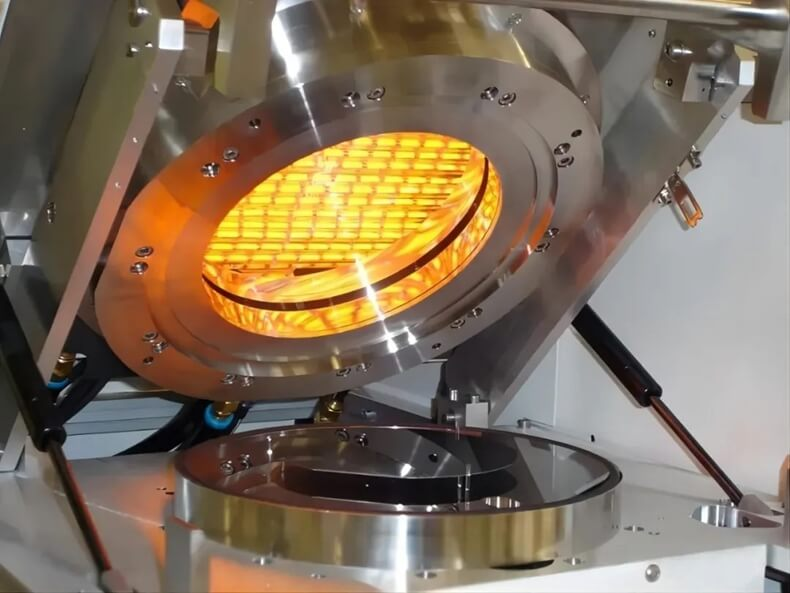
Picture this: a wafer processing line where the air is thick with flammable cleaning chemicals. The kind of environment that makes standard heating elements give up the ghost almost immediately. Here’s the thing—we built our infrared heating lamps for exactly that pressure cooker of a situation. We wrapped the heat source in a specialized encapsulation system, creating a shield that keeps the heat where it needs to be and the sparks far away from the atmosphere. It’s how we give you the precise thermal control you need for semiconductor fabrication, without the heart-stopping risk of ignition.
The Power Behind the Heat
We built these lamps on a solid 400V electrical platform. It’s what gives you that rock-solid power delivery, so the temperature across the wafer stays perfectly steady. Going with high voltage means the current draw is lower. That cuts down on line losses and keeps the filament temperature consistent, even when it’s working hard. And the size? We made it compact. The 300mm tube length is designed to slip right into those tight process chambers without you having to compromise on output. It focuses all that thermal energy right on the target, so you’re not wasting time and energy heating up the hardware around it.
The Heart of the Design: Built to Last
The core of our safety system is the quartz envelope, paired with a unique end-seal design. Quartz is tough—it handles rapid heating and cooling and laughs in the face of chemical attack. But the seals? Those are the make-or-break point. That’s why we use a hermetic, multi-layer sealing method. It completely isolates the electrical parts inside from any external vapors. We also chose an R7s connector because it locks in tight and keeps a reliable connection, even with vibration. No arcing, no weak points. This isn’t just a bulb. It’s a sealed thermal module, engineered to take a beating and still keep its cool.
Putting It to Work: Wafer Cleaning, Safely
In a chemical cleaning line, the name of the game is heat without a spark. Our encapsulated IR lamps deliver that by radiating heat directly onto the wafer while the sealed body keeps the volatile chemicals at bay. This gives you pinpoint, localized heating. The payoff? Faster cycle times and less gas consumption. Now, there’s one thing to keep in mind. The power density is high, so you need to plan for proper cooling in your equipment. But if you get that thermal management right, you’ve got a dependable, drop-in replacement that keeps your line moving. Safely. Without interruption.