Using IR Heating for Bio-Sensors
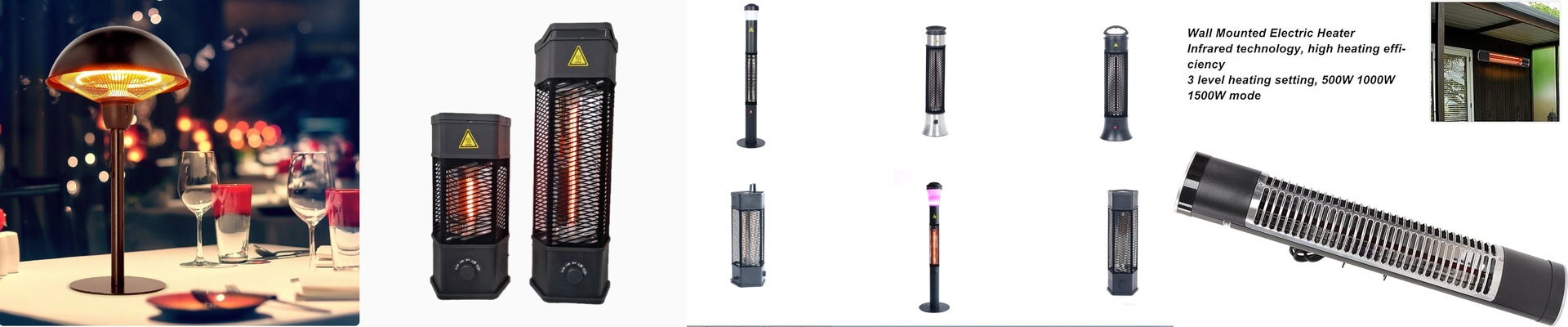
When you’re making bio-sensors, getting the curing and drying just right is everything. For a long time, the go-to was those massive convection ovens in the cleanroom. But we’ve moved away from that. Now, we use short-wave infrared (IR) lamps. Why? Because heating up a giant box of air just to dry a tiny substrate is a waste of energy. It’s a huge carbon footprint for very little gain.
Getting the heat where it actually matters
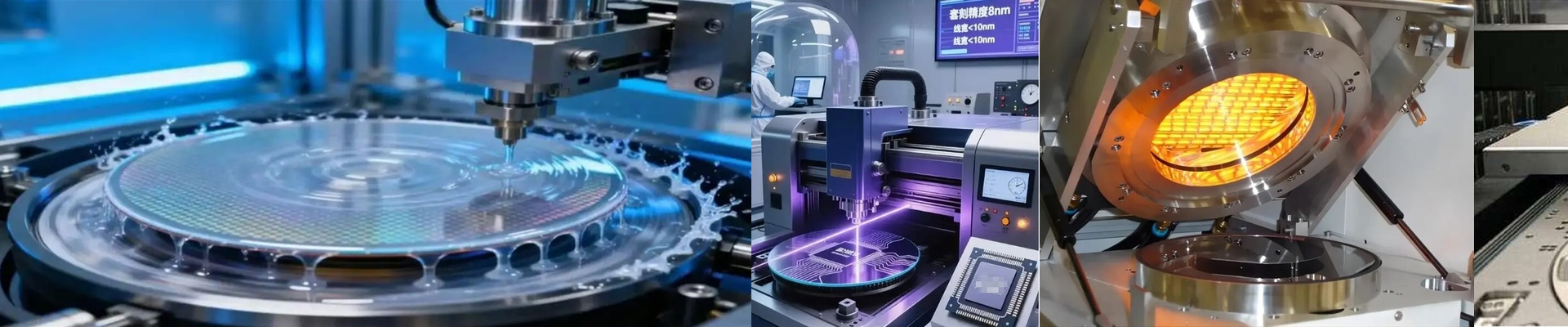
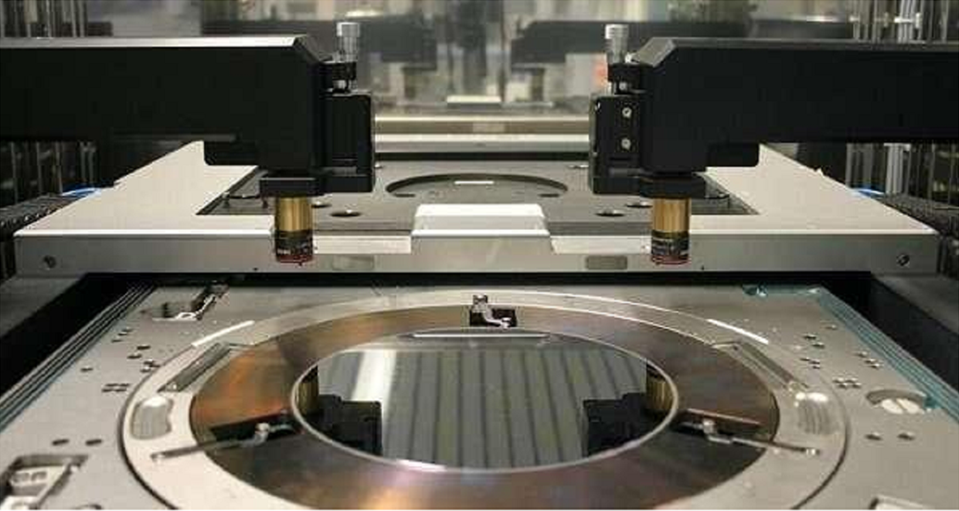
Here is the thing about IR: it doesn’t mess around with air. It sends energy straight to the wafer. It’s fast. Really fast. Instead of waiting for an oven to warm up, you get near-instant heat. We set these lamps to hit specific wavelengths that the bio-active layers actually soak up. That way, the surface cures perfectly, but the substrate underneath doesn’t get fried. You get a lot of power in a very small space.
The nuts and bolts
We don’t cut corners on the hardware. We use high-purity quartz envelopes so nothing leaks into the semiconductor environment and ruins the batch. The filaments are tuned to stay steady. You don’t want “hot spots” across your sensor array—that’s a recipe for disaster. We also use standard connectors. If a lamp goes, you just swap it out and get back to work. No one likes downtime. One heads-up: you have to be spot-on with your power supply. If the voltage or wattage is off, you’ll burn through the filament way too quickly. We run everything through PID controllers to keep things tight.
The trade-off
Switching to IR is a win for the planet. You aren’t fighting your facility’s HVAC system by pumping heat into the room. You’re just heating the part. Simple. But there is a catch. Because IR works so quickly, there’s a very thin line between “perfect” and “ruined.” If you overshoot the temperature by even a bit, the whole batch is toast. That’s why you need a fast-response pyrometer wired into the loop. If your feedback is slow, the lamp will keep blasting heat long after you’ve hit your target. You need the system to kill the power the second it hits the mark.