
Cutting the Carbon Out of Semi-Fab Heating
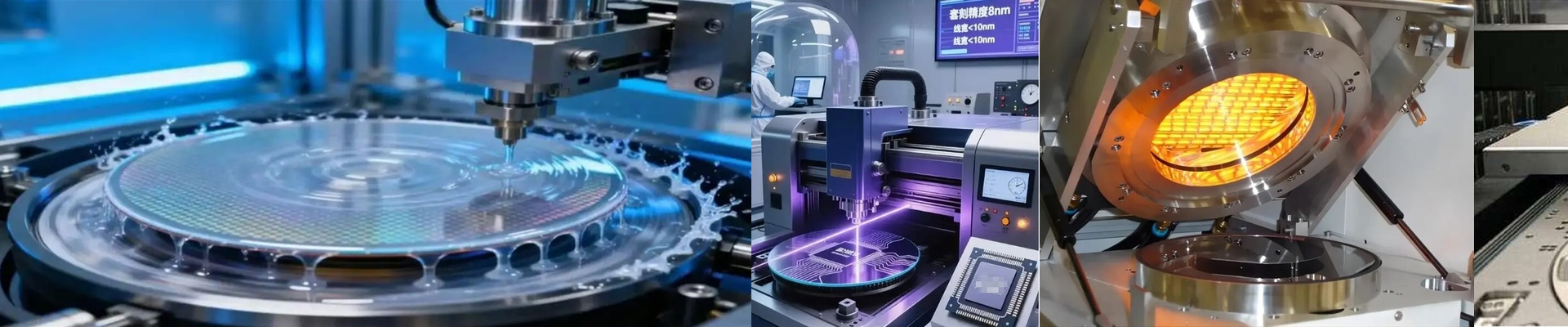
If you want to make a semiconductor fab carbon-neutral, you can’t just swap out the lightbulbs for LEDs and call it a day. The real battle is won or lost in how we handle heat during wafer processing. That’s where gold-coated infrared (IR) lamps come into play. The trick with the gold coating Standard quartz lamps are a bit messy—they throw energy everywhere. In a fab, a lot of that heat just vanishes or gets soaked up by parts of the machine that don’t need it. By adding a thin film of gold to the quartz, we change the game. The gold reflects the long-wave radiation back into the filament and shoves the short-wave IR straight forward. The result? A tight, concentrated beam of heat. It hits the wafer surface almost instantly. You aren’t wasting time waiting for things to warm up, and you aren’t accidentally heating up the rest of your chassis. Power, speed, and the catch These lamps are designed for high watt-density. You want that immediate thermal snap. When you’re calculating your costs, this is where you save—you’re using fewer kilowatt-hours per wafer because you aren’t idling. But here’s the thing: that intensity puts a lot of stress on the quartz. If your cooling fans aren’t up to the task, the ends of those tubes will burn out way too fast. You have to find that sweet spot between the heat flux and your airflow, or you’ll be replacing lamps a lot more often than you’d like. What this actually does for the factory Switching to gold-coated IR lamps does more than just speed up the line. It keeps the cleanroom cooler. Since there’s less waste heat leaking into the air, your HVAC system doesn’t have to fight an uphill battle to keep the room chilled. It’s a win-win. You get faster cycle times and a lower power bill. Pair them with a precision SCR controller, and you can keep your temperature windows tight without those annoying energy spikes you get with older systems.