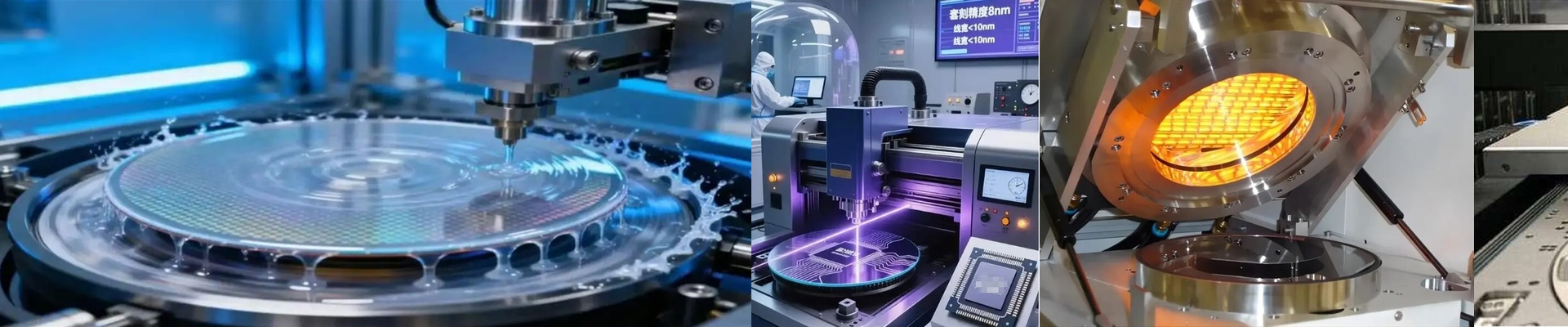
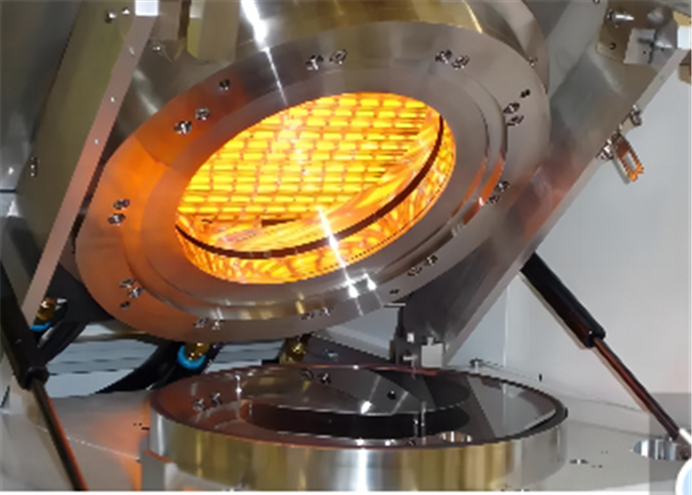
Standard convection ovens are basically just big boxes of hot air. In a semiconductor cleanroom, that’s a nightmare. Why? Because that heat doesn’t just stay put. It soaks into the walls of the equipment, making the chassis hot enough to burn you and forcing your HVAC system to fight a losing battle just to keep the room breathable. A better way to move heat We do things differently. Instead of heating the air, we use short-wave infrared (IR) lamps. Think of it like a flashlight. The heat moves in a straight line, goes right past the air and the oven walls, and hits the workpiece directly. The energy goes exactly where it’s supposed to. Because the heat isn’t bouncing around the room, the outer shell of the machine doesn’t turn into a giant radiator. The tricky part Now, to get the kind of speed we’re talking about, we use high-wattage quartz elements. They react instantly, which is great, but they can be aggressive. You have to get the spacing just right. If the lamps are too close, you’ll scorch your substrate. Too far? You lose that precision and the heat starts bleeding into the cabinet again. It’s a balancing act. Why it actually matters The best part isn’t even the heat—it’s what you don’t have. Since we aren’t pushing massive amounts of air around, you can ditch the giant blowers. That means less vibration and fewer particles floating around. In a cleanroom, that’s a huge win. Plus, your operators can actually touch the machine without worrying about getting burned. A quick heads-up on the setup If you’re wiring this up, don’t just plug it in and hope for the best. We suggest using SCR power controllers. They act as a buffer, stopping the filaments from popping during power spikes and letting you dial in the temperature perfectly. And one last thing: if you’re swapping out old convection coils for IR, check your power capacity first. IR lamps hit the grid all at once, so the initial draw is much heavier than those slow-heating coils you’re used to.