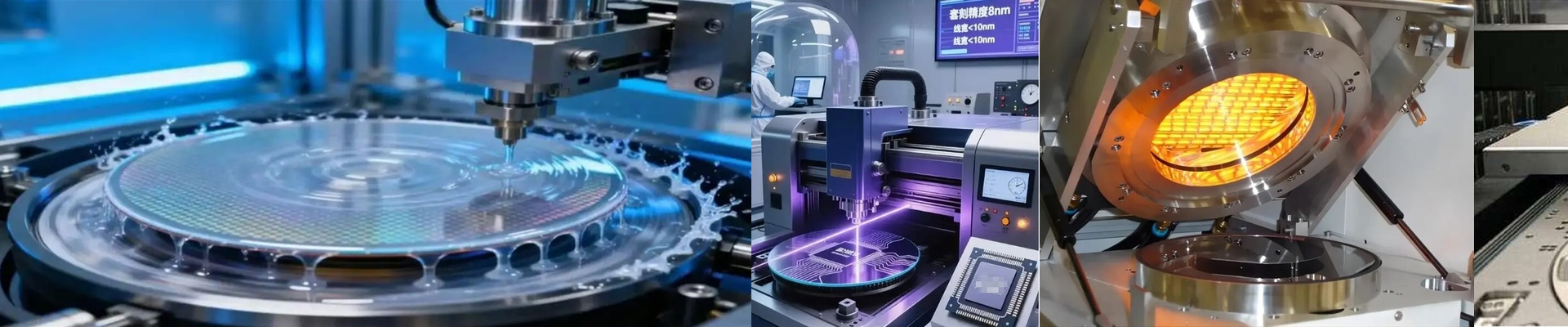
Getting More Heat Where It Actually Matters: Gold-Coated IR Lamps
If you’ve ever worked with wafer-based bio-sensors, you know the drill. You need a perfect thermal profile to cure your polymers or get those chemical layers to stick. But here’s the problem: standard infrared lamps are pretty sloppy. A huge chunk of that energy just leaks out the back of the housing, wasting power and time. We figured out a better way. We started putting high-reflectivity gold coatings inside the lamp housing. Why gold? Most people use aluminum reflectors, but aluminum absorbs a surprising amount of energy. Gold is different. It bounces up to 98% of that infrared radiation straight back toward your target. It’s a simple shift, but it changes the math. You get way more heat hitting the wafer surface without having to crank up the wattage. We’re basically squeezing the energy into a tight, focused beam, which gives you a much higher heat flux per square centimeter. But you can’t just blast the heat and walk away. When you push for that kind of radiation, your electrodes start feeling the pressure. If you don’t manage that thermal expansion, high-wattage tubes will just burn out. You’ve also got to make sure your power supply and tube voltage are perfectly in sync, otherwise, you’ll deal with annoying flickering or a filament that dies way too soon. The beauty of the gold coating is that it lets you run your lamps at lower power settings while still hitting your target temperature. It takes the stress off the quartz envelope, which means your gear lasts longer. The real-world stuff The best part? These are drop-in replacements. You just wire them into your current controllers and you’re good to go. Just a heads-up: because the energy is so much more concentrated, your wafers are going to heat up fast.**Really fast.**If your ramp-up is too aggressive, you might warp the substrate. You’ll want to tweak your PID controllers to keep up with how quickly things are warming up. Now, gold isn’t cheap. It costs more than polished aluminum. But you’re paying for the energy savings and a much tighter process window. For anyone running high-throughput bio-sensor lines, cutting down those cycle times usually makes the investment a no-brainer.