Stop Letting One Broken Lamp Kill Your Whole Batch
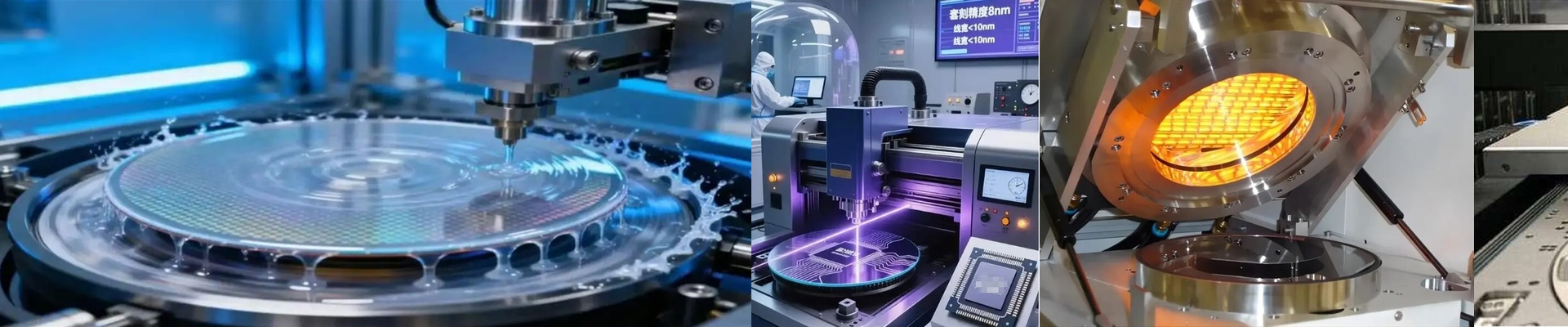
In bio-sensor fabrication, a single lamp failure isn’t just a nuisance—it’s a disaster. Imagine this: you’re in the middle of a high-load run, and an infrared tube bursts. Suddenly, you’ve got quartz shards and halogen gas raining down on your substrates. Just like that, your entire batch of wafers is scrap. It’s a nightmare scenario that costs time and a lot of money. We build our IR lamps specifically so you don’t have to deal with that. Why do these tubes actually pop? Usually, it comes down to thermal shock or those annoying localized hotspots. If you’re pushing the power density too hard and your cooling isn’t hitting every spot evenly, the quartz envelope just can’t take the stress. It snaps. To fix this, we use high-purity fused quartz. It has a low coefficient of thermal expansion, which is a fancy way of saying it doesn’t freak out when the temperature swings. It can take a beating during those rapid ramp-up and cool-down cycles without cracking under pressure. Keeping the mess contained Even with the best glass, things happen. That’s why we don’t just rely on the tube itself. We use a dual-layer safety setup. Think of it as an insurance policy. Our lamps come with specialized coatings and integrated shatter-shields. If a filament burns out or the glass fails, the containment layer traps the debris. The best part? You don’t have to shut down your entire production line for a massive deep clean every time a lamp goes. You just swap it and keep moving. The reality of high wattage Here’s the thing: everyone wants faster cure times to get more sensors out the door. Higher wattage gives you that speed, but it also puts a ton of stress on the ends of the lamp. This is where the little things matter. If your connectors aren’t tightened to the right torque, you get loose fits. Those loose fits create arc points, and that’s exactly how you blow out the tube ends. Plus, if you’re opting for high wattage, double-check your chassis airflow. If the ambient heat has nowhere to go, you’re just shortening the life of your lamp. We design these for the grind of 24/7 production. They aren’t about chasing some theoretical peak power number—they’re about staying stable and reliable. They drop right into your existing rigs and just work.