Getting the Heat Right in Bio-Sensor Fabrication
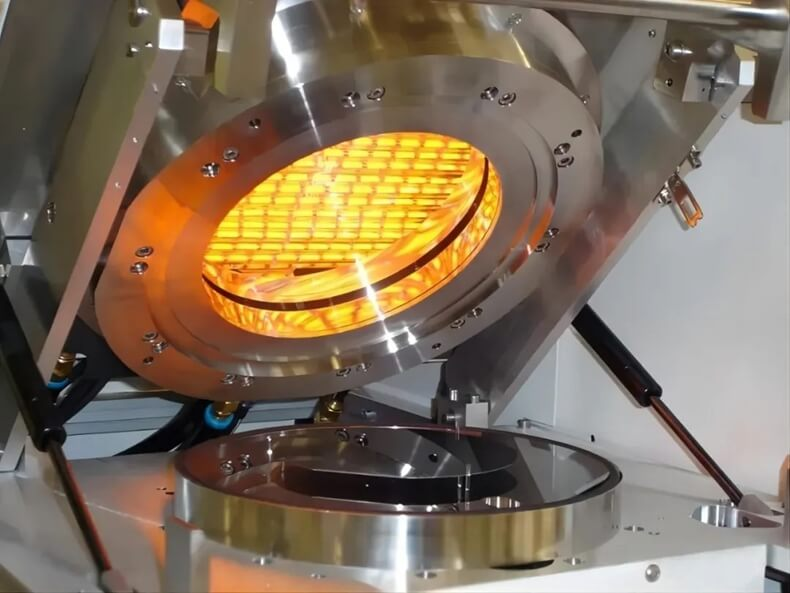
When you’re building bio-sensors, temperature is everything. If you’re off by just a few degrees, your chemicals can go unstable or your substrate simply won’t stick. It’s a tight window, and there’s no room for “close enough.” That’s why we stick with infrared (IR) systems. Forget convection ovens—they’re too slow. There’s always that annoying lag while the air heats up. With IR, you get direct radiative heat. It’s instant. If you’re trying to build a modern, digitized fab, you need those millisecond response times. Anything slower just holds you back.
The Reality of Rapid Thermal Processing
It’s not just about “turning up the heat.” It’s about the profile. Shortwave IR is great because it sinks deep into the substrate, letting you ramp up the temperature incredibly fast. Now, here’s the trade-off: high-wattage lamps mean you can push more parts through the line in less time. But you have to be careful. Push it too hard, and you’ll fry the biological reagents. It’s a delicate balance.
Making the Data Work for You
The lamp is just a tool. The real magic happens in the control loop. We hook these systems up to PID controllers and closed-loop pyrometers. This means you aren’t guessing. You can see exactly how much energy every single wafer is getting. You end up with a digital fingerprint for every batch. Plus, it takes the guesswork out of maintenance. If a lamp starts to drift or is about to burn out, the data tells you right away. No surprises.
The Gritty Engineering Stuff
Here is the part they don’t always tell you: high-intensity IR systems gethot. The energy hits your target, but the housing takes a beating. You can’t just plug these in and walk away. You need a cooling manifold that actually works, or your ambient temperature will spike, and your sensor readings will start drifting. It’s a headache you don’t want. A few pro tips from the trenches: use quartz-envelope lamps. They keep things pure in the cleanroom, even if they are a bit more fragile than the metal ones. And for heaven’s sake, use high-temp leads. There is nothing worse than seeing your insulation melt right at the terminals because you used standard wiring.