Stop Cooking Your Glovebox Walls
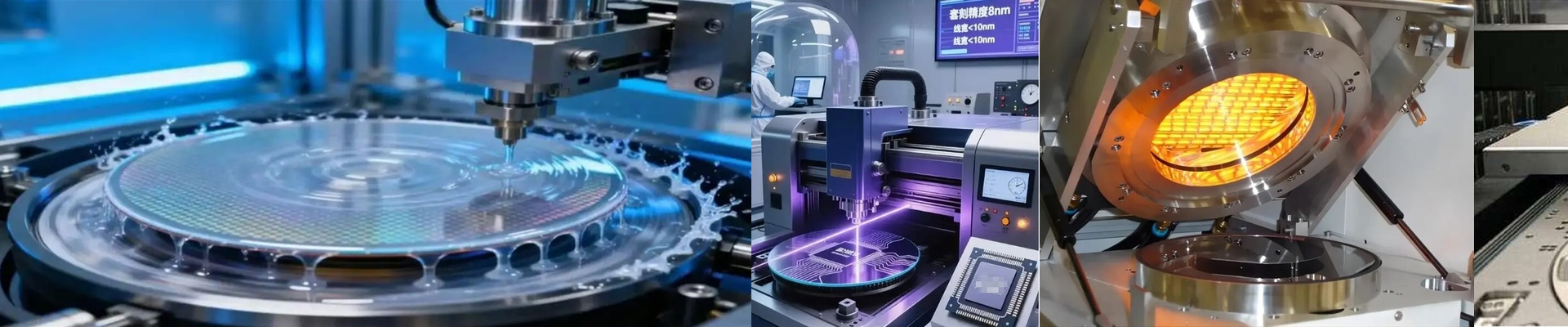
Anyone who’s worked with semiconductor gloveboxes knows the struggle. You need to heat the inside, but you don’t want the outer walls to turn into a giant space heater. If you use standard convection heaters, you’re basically just heating up all the air. That air hits everything—the casing, the seals, the operator’s arm. It’s a mess. You end up with these annoying hot spots that can actually ruin your seals or, worse, burn someone. We found a better way: directional infrared (IR) heating. Why IR actually works Think of it like a flashlight instead of a space heater. IR sends out radiation in a straight line. The heat doesn’t care about the air around it; it only kicks in when it hits the target, like your wafer or substrate. The result? Your workpiece gets hot, but the walls of the glovebox stay cool to the touch. It’s a much cleaner way to handle high heat density. Picking the right gear We usually go with short-wave IR lamps. They penetrate deeper and react way faster. When you’re setting these up, the angle is everything. You can actually tweak the lamp to tighten the beam, hitting a very specific footprint on your part. One thing to watch out for, though: power density. If you crank up a high-wattage element but your material doesn’t absorb that specific wavelength, the energy just bounces off. Then you’re right back where you started, with heat bouncing around and warming up the chamber walls. You’ve got to match the lamp’s output to what your workpiece actually “likes” to absorb. The honest trade-offs Look, it’s not a perfect fix for every single problem. Because the heat is so directional, you’ll deal with steep thermal gradients. The middle of your part will be scorching while the edges stay cooler. If you need a totally uniform soak, you’ll probably need to rotate the part or set up a multi-lamp array. And a word of warning: be careful with the quartz envelopes. They’re fragile. One clumsy move during installation and the whole element is trash. Handle them with care.