Keeping Your Biosensor Gear from Blowing Up
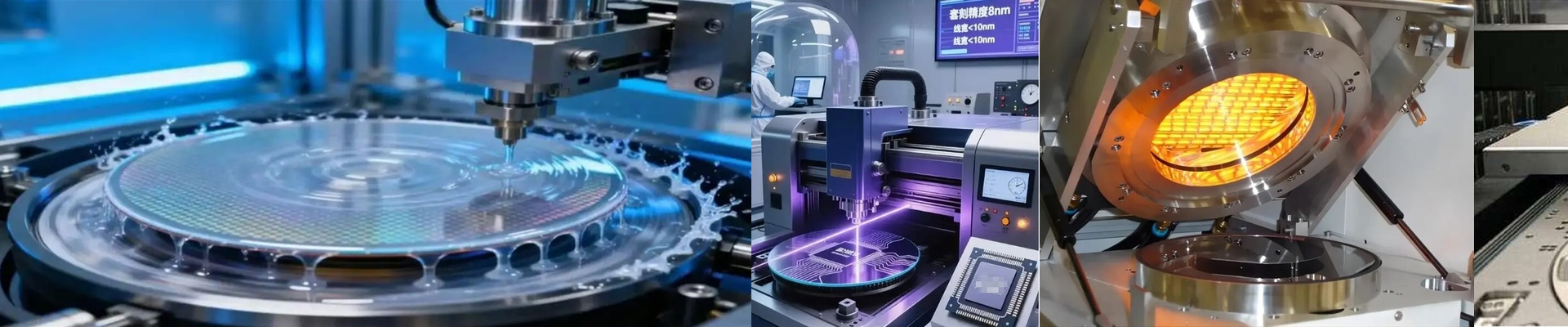
When you’re fabricating biosensors, you need your thermal curing and drying to be spot on. We use specialized IR lamps to get the job done, but there’s a catch: the power density is huge. If you’re plugging these into high-end lab equipment, you can’t afford a slip-up. One tiny insulation failure and you’ve just fried your control boards or ruined a perfectly good sensor substrate. That’s a bad day at the office.
Why we obsess over insulation
We don’t do “random sample checks.” That’s not how this works. Every single tube goes through a full voltage withstand and insulation resistance test before it even thinks about leaving our floor. We push high-voltage stress onto the quartz envelope and the seals to make sure the barrier actually holds. Here’s the thing: if there’s a microscopic pinhole or a seal that’s starting to give, it’ll fail the hipot test. We scrap those immediately. No questions asked. It’s all about stopping “arcing” before it starts. In a biosensor lab, an arc does more than just kill the lamp. It creates electrical noise (EMI) that can mess with your sensor readings and throw off your whole project.
The high-wattage struggle
To get those thin films to cure quickly, you need high-wattage tubes. They ramp up fast. But pushing that much current through such a small space puts a ton of stress on the insulators. It gets hot. Really hot. That means your housing and cooling fans need to be up to the task. If your airflow is sluggish, that heat soak will eventually eat away at your insulation.
No surprises, no downtime
We keep our insulation limits strict so you don’t have to worry about current leaking into your chassis. You just get a replacement part that drops right in. No tripping GFCIs. No weird, erratic behavior in your production line. We stick to the raw electrical specs because, at the end of the day, that’s what keeps your machines running and your schedule on track.