Keeping Your Class 100 Cleanroom Actually Clean
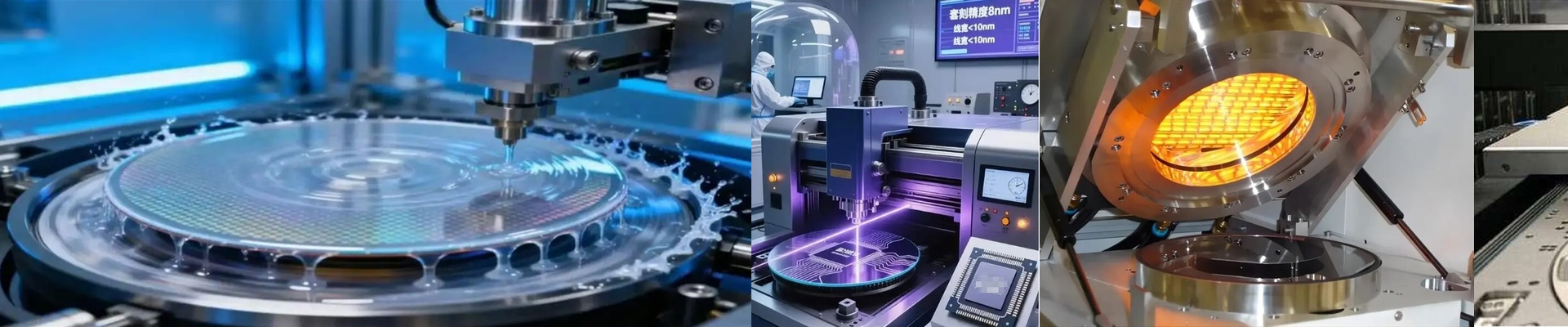
If a single speck of dust lands on a biosensor substrate, the whole batch is trash. It’s that simple. When you need to cure or dry things in a Class 100 environment, you can’t just throw in a standard heater. Those things are nightmares—they off-gas and shed particles everywhere. That’s why we stick with high-purity synthetic quartz infrared lamps. Why the quartz matters We use fused silica quartz for a reason. Standard glass or the cheap stuff just can’t handle the heat. After a few cycles of heating and cooling, low-grade materials start to “flake” or break down. With high-purity synthetic quartz, that doesn’t happen. The surface stays smooth and inert. You don’t have to worry about random metallic flakes or chemical gunk drifting down onto your sensors. Getting the heat exactly where it belongs These lamps use short-wave IR radiation. The beauty of this is that you can heat the bio-chip itself without turning the entire chamber into an oven. We tweak the wattage and voltage so the heat hits the substrate, not the air around it. But here’s the thing: you have to balance the power. High-wattage tubes get you up to temperature fast. Great, right? But they also dump a lot of heat into the room. If your cooling system isn’t built to handle those BTUs, you’ll end up overheating your other cleanroom sensors. It’s a bit of a trade-off. Setting it up and keeping it running We use specialized connectors to keep everything gas-tight. This keeps the halogen gases inside the tube where they belong and stops outside contaminants from sneaking in. And when a lamp finally gives out? The footprint is designed for a quick drop-in replacement. No fuss, no long periods of downtime. One last tip:**use lint-free gloves.**Always. Even a single fingerprint leaves behind a tiny bit of oil. The second that lamp hits 500°C, that oil burns off and sends contaminants floating through your cleanroom air. Not worth the risk.