Stop Heating Your Equipment (and Start Heating Your Wafers)
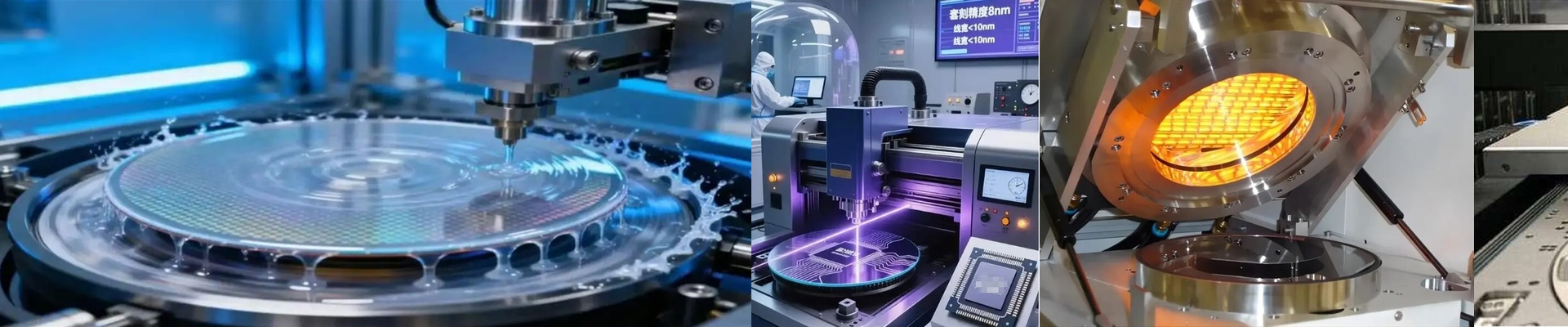
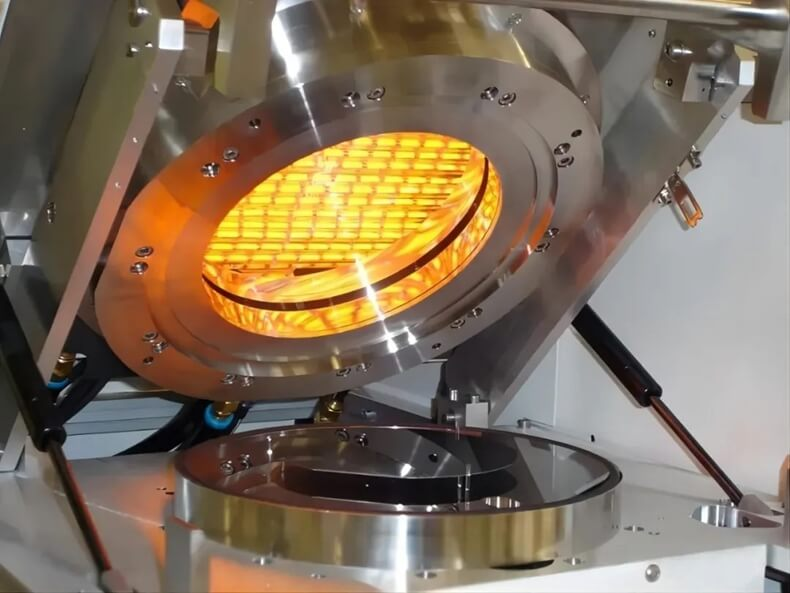
Most standard heating elements are kind of messy. They throw energy in every direction—360 degrees of heat just blasting everywhere. In a semiconductor fab, that’s a huge problem. When your heat isn’t pointed in one direction, the inner walls of your expensive gear just soak up all that wasted energy. You end up with “hot walls.” Not only is that a nightmare for the people operating the machines, but it also throws your thermal stability completely out of whack. Here is how we fix that. We use directional infrared (IR) lamps. Instead of just sticking in a bare quartz tube and hoping for the best, we use coated emitters and specialized reflectors. Think of it like switching from a lightbulb to a flashlight. We force the IR radiation to go exactly where it belongs: straight at the wafer or substrate. Because the beam is tight, the energy doesn’t hit the chassis. The heat goes into the work, not into the machine’s skin. It’s a great feeling when you can actually touch the equipment walls while the process is running at peak temp and they’re still cool. Getting it into your setup We built these lamps to be drop-in replacements. You don’t have to tear apart your clean room or rebuild your thermal shields from scratch. It just works. But a quick heads-up: when you focus IR energy like this, the intensity at the target point jumps. You’ll need to double-check your PID controllers. If your sensors aren’t dialed in for that extra flux, you might overshoot your temperature and fry a wafer. It’s a simple fix, but a critical one. What this actually changes on the floor Once you move to directional heating, you can ditch those bulky external cooling fans and those annoying liquid-cooled jackets. The tool takes up less space. The environment stays stable. And most importantly, your techs can actually move around the equipment without worrying about getting burned during a quick manual adjustment. It just makes the whole workspace feel safer and a lot more controlled.