Why Vacuum IR Curing Just Makes Sense for Lead-Free Standards
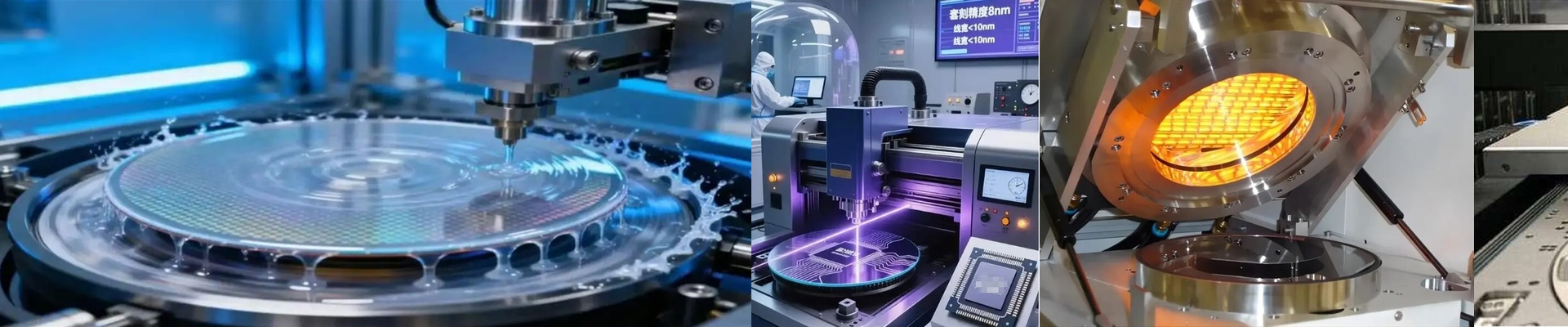
The semiconductor world is finally getting serious about going green. We’re seeing a huge push toward lead-free drying, and honestly, vacuum-compatible infrared (IR) heaters are the way to go. Think about it. Old-school convection ovens just blow hot air around. IR is different. It uses electromagnetic radiation to move energy. No chemical solvents, no heavy airflow—just clean, direct heat. It hits those environmental targets without the headache.
How it actually works
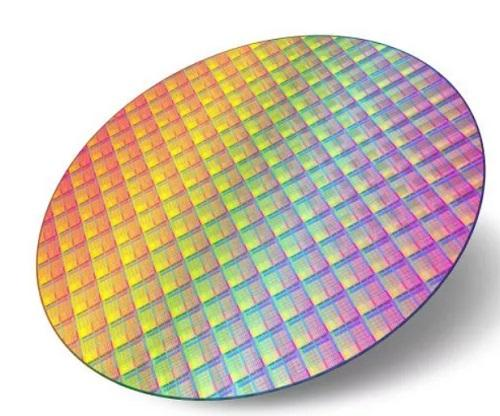
Here is the thing: in a vacuum, convection is dead. You can’t move heat through air if there isn’t any air. That’s why we use short-wave or medium-wave IR lamps. They don’t mess around with the atmosphere; they penetrate the substrate directly. The energy hits the material and turns into heat instantly. It’s a cleaner way to work. You can cure your adhesives or dry your photoresists without worrying about airborne dust or particles landing on your wafer. And it’s fast. Really fast. You aren’t wasting time heating up a massive chamber of air just to warm up a 300mm wafer. You just heat the part.
The tricky parts (The Engineering)
Of course, it isn’t just “plug and play.” We have to build these lamps to survive the stress of vacuum cycling. We use high-purity quartz envelopes. If we didn’t, you’d get outgassing, which is a nightmare in a cleanroom. We also push for high wattage density so the whole setup doesn’t take up half your floor space. But a word of warning: high-density IR creates some intense, localized heat. If your cooling jackets aren’t up to the task, you’re looking at warped wafers or fried lamp sockets. It’s all a balancing act between how fast you want to cure and how well you can manage the heat.
Putting it to work
This setup is perfect for lead-free solder curing and those specialized coatings. Since you aren’t burning fuels or using solvents that stink up the place with VOCs, you’re basically hitting that “zero-emission” goal. It works as a simple replacement for those old, power-hungry thermal tunnels. You wire it in, pick your wavelength, and watch your energy bills drop per wafer. It’s just a smarter way to run the line.