Don’t Let Your IR Heaters Turn Your Lab Into a Fireball
Let’s be honest: putting infrared heaters inside a chemical cleaning chamber is a bit like playing with fire. When you’re dealing with solvents that love to explode or catch flame, one tiny spark or a leaky piece of insulation isn’t just a “technical glitch.” It’s a disaster. That’s why we stopped using open lamps. Instead, we seal everything up tight.
The Secret is in the Sleeve
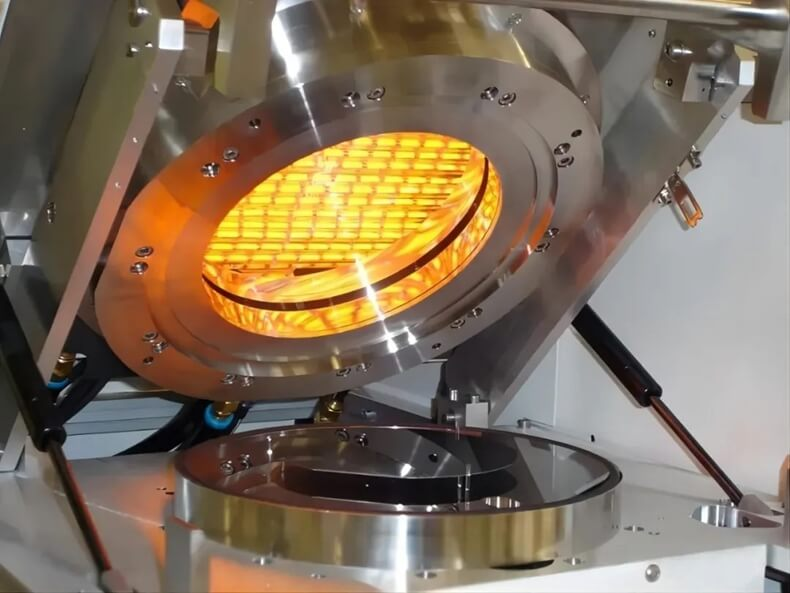
You can’t just toss a lamp into a vacuum chamber and hope for the best. We wrap the infrared source in a heavy-duty sleeve made of quartz or sapphire. Think of it as a bulletproof vest for your heater. It keeps the electricity and the volatile chemicals from ever shaking hands. To make sure nothing leaks, we use high-temperature brazing or ceramic-to-metal seals. It stops those nasty solvent vapors from creeping into the lamp housing where they don’t belong.
No Sparks, No Stress
The real danger usually hides where the wires meet the lamp. If that connection isn’t perfect, you get arcing. And arcing in a chemical zone? Bad news. We use reinforced, airtight connectors to kill that risk. There’s also the heat to think about. High-wattage tubes grow and shrink as they heat up. If you don’t leave enough room for that movement, the lamp will just crack. And a cracked sleeve in a chemical environment is basically a ticking time bomb. We build in a bit of “breathing room” so the hardware can expand without snapping.
The Trade-offs (Because Nothing is Perfect)
Here’s the catch: adding that protective sleeve puts a layer of material between your heat source and your part. You lose a little bit of that direct infrared punch. To make up for it, you might need to crank up the power or give your ramp-up time a little more cushion to hit your target temp. One more thing. These systems are built to take a beating from caustic chemicals, but they hold onto a lot of heat. If your cooling system isn’t ready for that “heat soak” from the sleeve, your chamber walls are going to get way too hot. Just make sure your airflow matches your wattage. Keep it cool, and you’re golden.