Making Your Outdoor Space Actually Usable in Winter
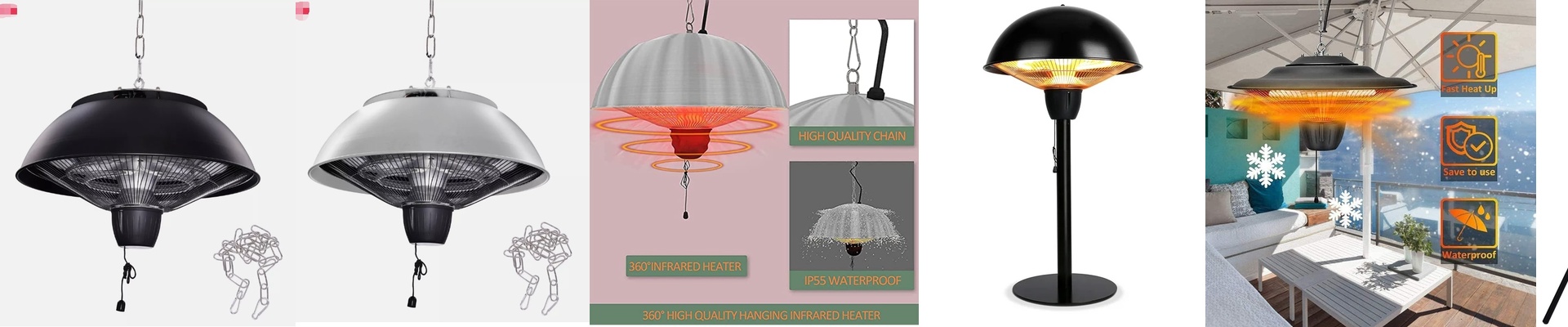
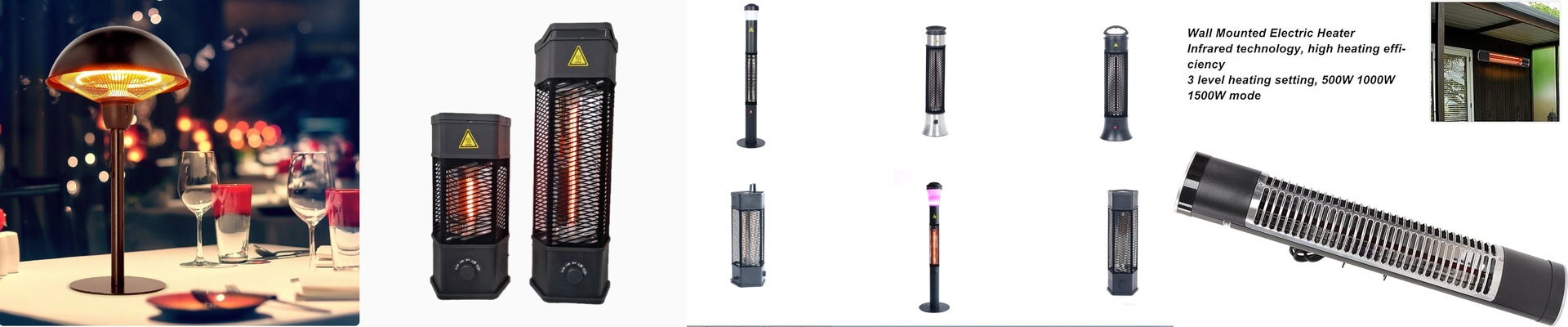
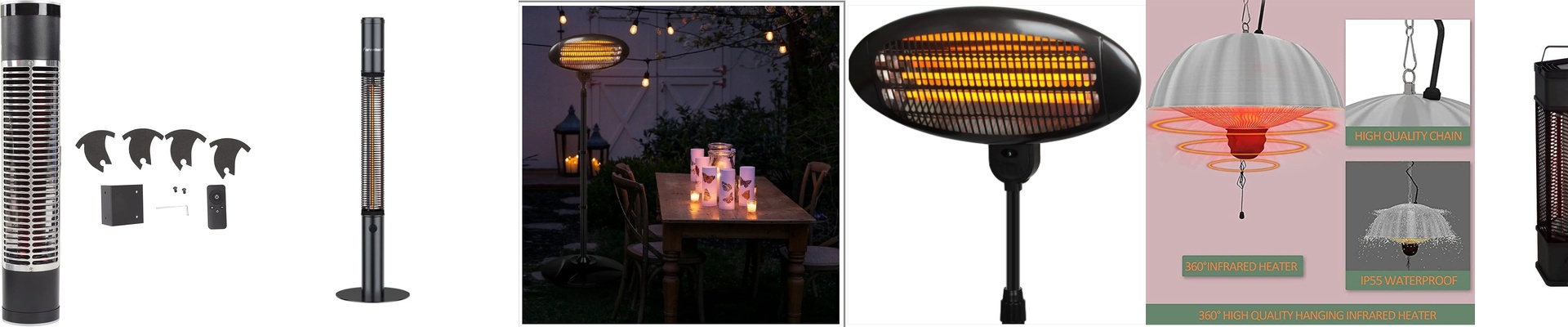
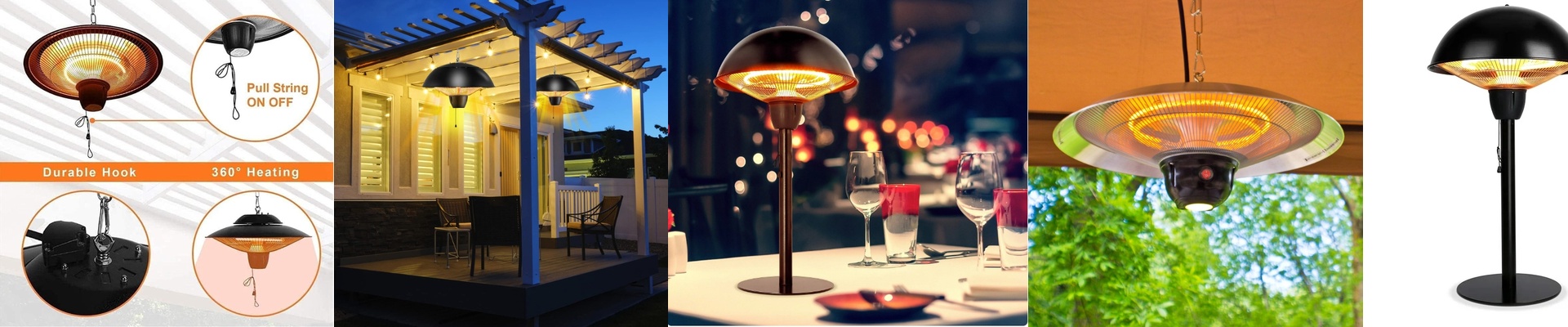
We build our infrared heaters to take a beating. Rain, snow, dust—it doesn’t matter. They’re designed to survive the elements. The cool part? They don’t waste time trying to heat the air around you. Instead, they send out short-wave radiation that hits you and your furniture directly. It’s like stepping into a patch of sunlight on a cold day. Since they don’t rely on hot air that just blows away the second a breeze hits, they’re pretty much the only way to keep an outdoor patio warm when the wind picks up.
The Gear: Built for the Rough Stuff
When you see “IP66,” it basically means the unit is sealed tight. Dust can’t get in, and you could practically hit it with a high-pressure hose without worrying about the electronics. We use gaskets and alloys that won’t rust or corrode, so the internals stay dry. Inside, we use quartz or carbon elements. These allow us to pack a ton of heat into a small box. But here’s a heads-up: these things pull a lot of power.**Make sure your wiring and breakers can handle the load.**There is nothing worse than the power tripping right when you’re halfway through a glass of wine on a freezing January night.
Making it “Smart”
Nobody wants to walk across a cold deck to flip a manual switch. That’s why we hook these up to Wi-Fi or Zigbee controllers. You can set up a “Winter Mode” in your app or just tell your voice assistant to turn the heat on. Because infrared is instant, you don’t have to wait twenty minutes for the area to warm up. You hit the button, and you feel the heat on your skin almost immediately. It’s a great feeling.
A Bit of Real-World Advice
Smart tech is great, but it’s not perfect. Networks crash. Hubs freeze. If your Wi-Fi goes down, you don’t want to be locked out of your own heat. That’s why I always suggest installing a physical override switch. It’s a simple backup. If the “smart” part of your home decides to take a nap, you can still flip a switch and keep the party going.