Why we’re swapping out those old bathroom heat lamps for IP65 Infrared
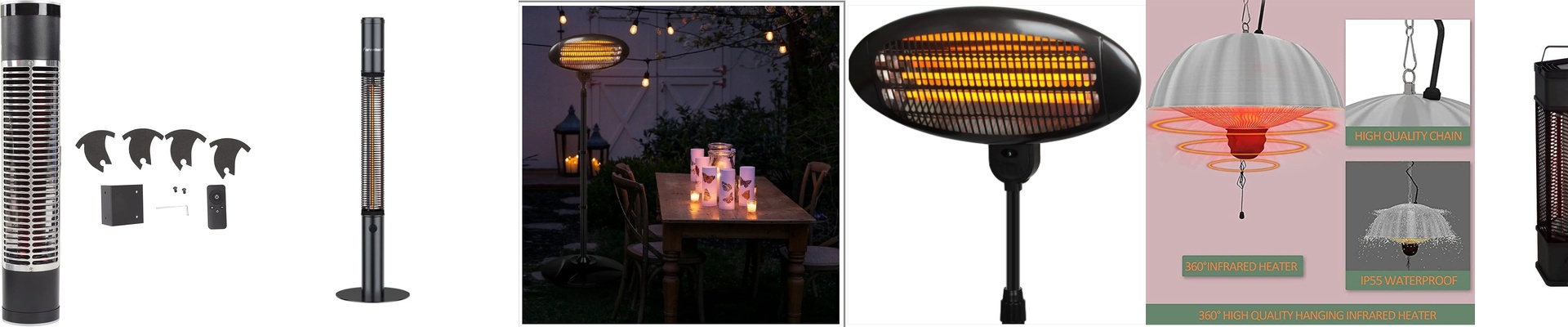
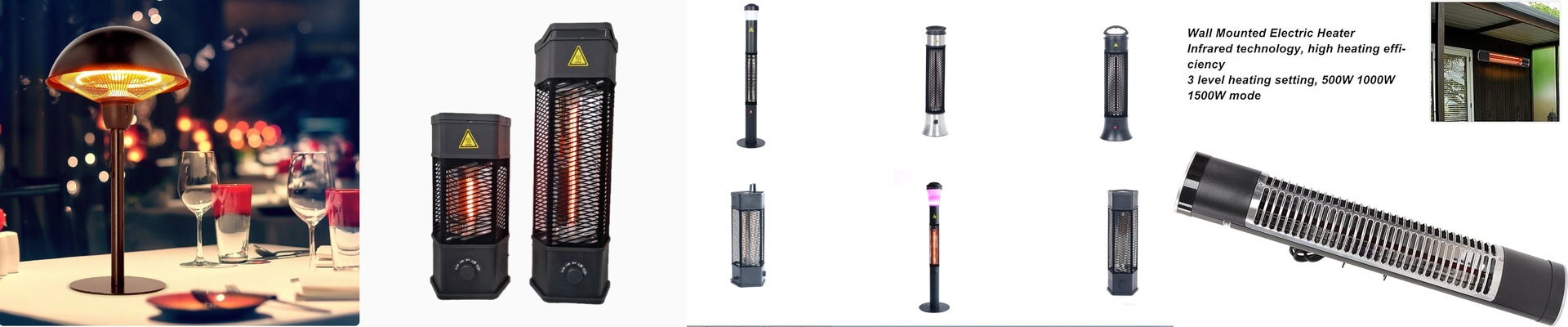
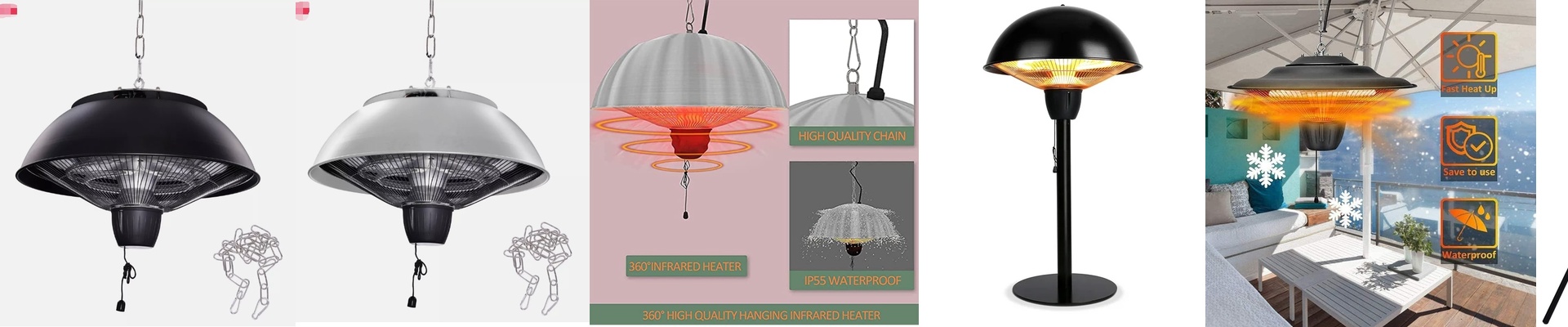
Let’s be honest: those old-school bathroom heat lamps are a bit outdated. If you’ve spent any time renovating lately, you’ll notice a big shift toward IP65-rated infrared systems. It basically comes down to two things: keeping water out and keeping you safe.
Dealing with the steam
Most of those old “warming” units have pretty basic housings. The problem is that bathrooms are basically steam rooms. All that moisture sneaks into the unit, eats away at the terminals, and eventually kills the heating element. It’s a slow death by corrosion. That’s where the IP65 rating comes in. In plain English? It means the thing is dust-tight and can handle a direct spray of water without flinching. We seal the guts of the machine so the moisture never touches the live wires. You get a closed system that doesn’t freak out and trip your breaker just because things got a little humid.
The magic of shortwave infrared
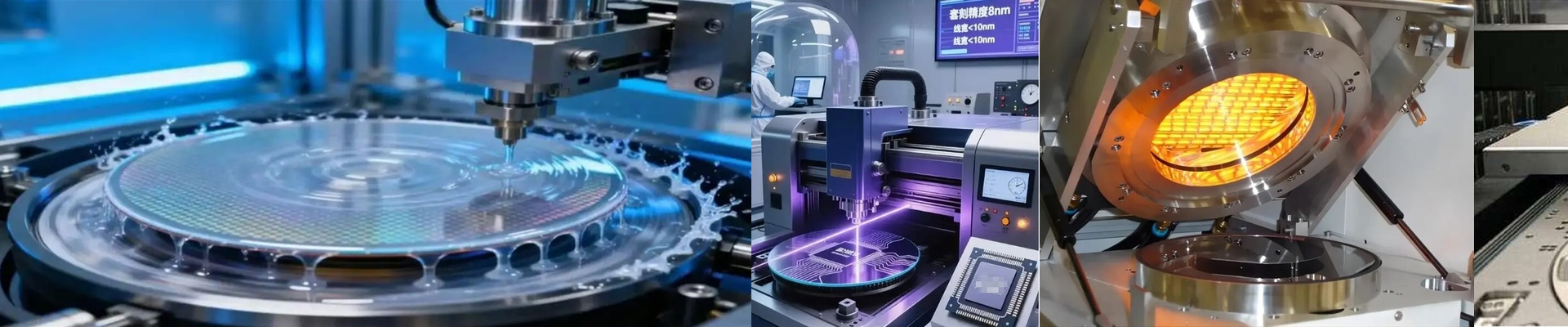
Here is the cool part. These units use shortwave infrared. Most heaters try to warm up the air in the room, which takes forever. Infrared is different. It ignores the air and goes straight for the target—your skin. It feels like stepping into a patch of sunlight on a cold day.Instant heat. We use tungsten filaments tucked inside quartz glass tubes. These tubes are tough; they can go from ice-cold to scorching hot in a heartbeat without cracking. You flip the switch, and you’re warm. No waiting around shivering in a towel.
The tricky bits of installation
You can’t just slap these into the ceiling and call it a day. To keep that waterproof rating, you have to be meticulous with the seal at the mounting point. All the wiring needs to run through waterproof conduits. If you cut corners here, you lose the whole point of the IP65 protection. And a word of warning: these things are powerful. Because the heat is so concentrated, if you mount the unit too low, it’s not “cozy”—it’s uncomfortable. You have to pick your wattage and mounting height carefully. If you put too much power in a tiny space, you’ll end up with “hot spots” that feel more like a grill than a heater. Get the balance right, and it’s perfect.