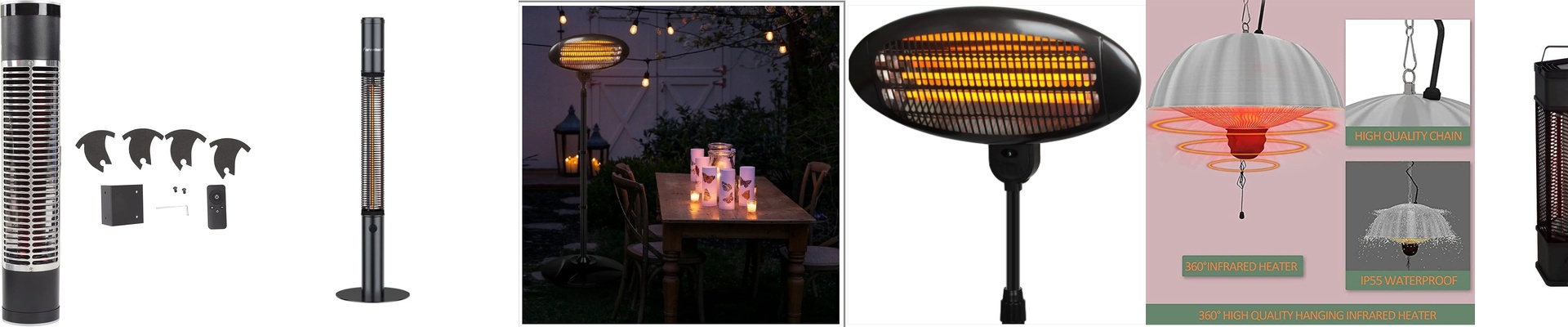
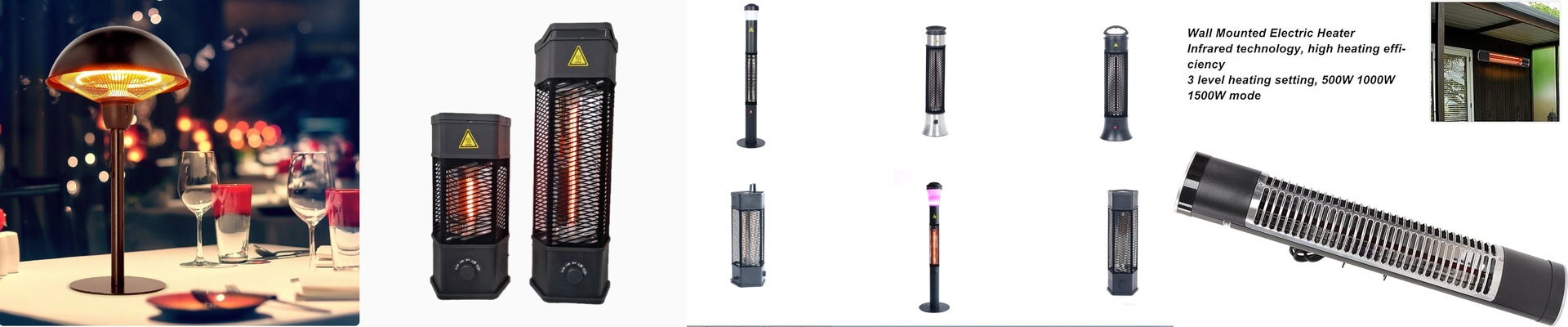
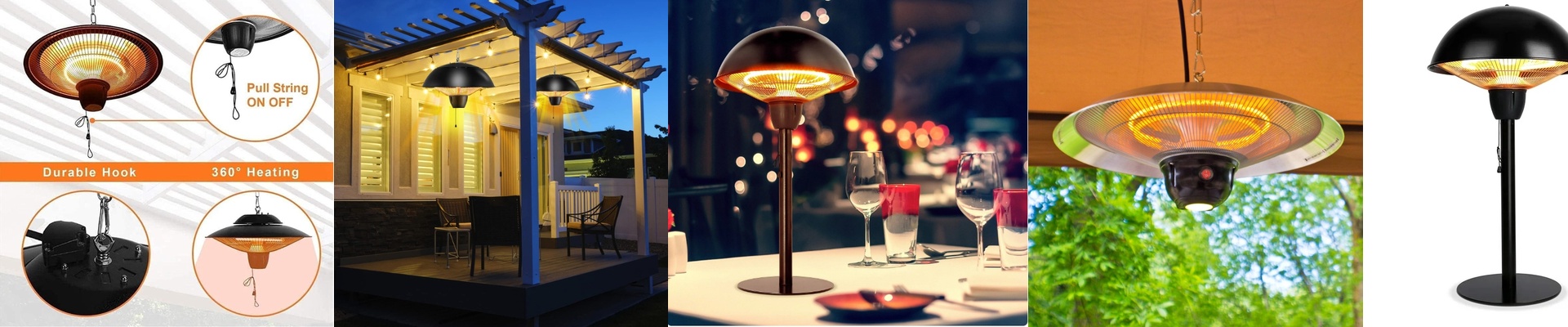
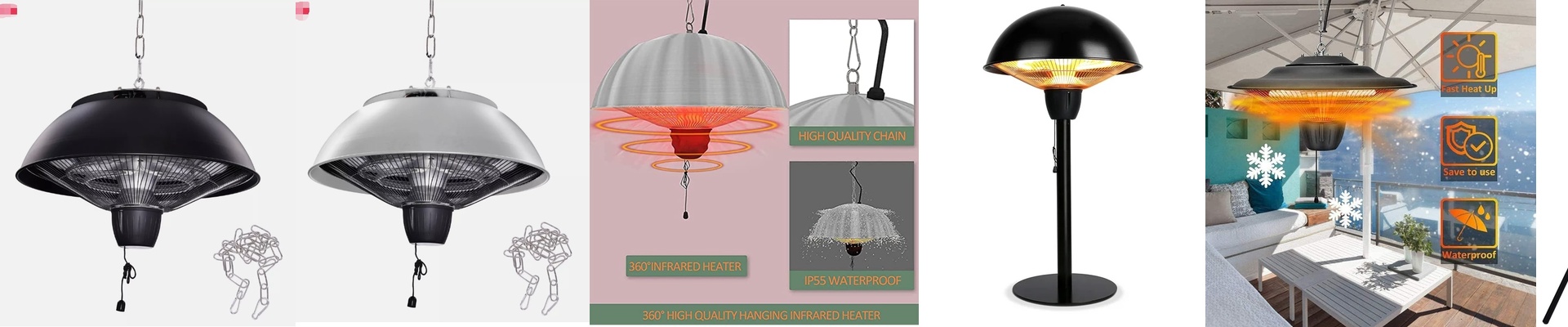

Keeping Your Changing Areas Warm (Without the Shivers)
You know that feeling when you step into a high-end changing area, but because it’s open to the outdoors, it feels like a walk-in freezer? It ruins the whole experience. We fix that with shortwave infrared (SWIR). Here is the secret: most heaters try to warm up the air. That takes forever, especially when the wind is blowing right through the room. SWIR doesn’t bother with the air. It sends energy straight to the person standing under it. You feel the heat instantly. No waiting around. No shivering while you get dressed. The science bit (but kept simple) These emitters run much hotter than your average heat lamp. They create a concentrated beam that actually sinks into your skin. To handle that kind of heat without melting, we wrap everything in heavy-duty quartz glass. The result? You step under the lamp and you’re warm in seconds. It’s a total shift in how a space feels. Dealing with the elements Since these are going outdoors, they’re going to take a beating. Between the humidity and the random splashes of water, the gear has to be tough. We use IP-rated housings to keep the guts of the machine safe. But the real battle is at the wiring entry point. That’s where most systems fail. We use reinforced cable glands and silicone gaskets to seal it tight. If a little moisture sneaks in, you’re looking at corroded reflectors or a short circuit—and nobody wants to deal with that on a Tuesday morning. A few things to watch out for Now, these things are powerful. Because the heat is so direct, you can accidentally create a “hot spot” if you aren’t careful. If you mount them too low, it goes from “cozy” to “too hot” very quickly. We usually stick to a 2.5-meter ceiling height, but you’ve got to get the angle just right so your guests feel comfortable, not scorched. One last thing: don’t skimp on the electrical. When these units kick on, they pull a lot of power. Make sure you’re using a dedicated circuit with the right breakers and a wiring gauge that can actually handle the load. It’s a small detail, but it’s the difference between a warm room and a tripped breaker.