Getting Your Bathroom Heat Just Right (Without Wasting Power)
Nobody likes stepping out of a hot shower into a freezing bathroom. But here’s the thing: just throwing the most powerful heater you can find into the room isn’t the answer. If you overdo it, you’re just burning money and potentially wearing out your gear. First, let’s talk safety. Since we’re dealing with water, you absolutely needIPX5-ratedenclosures. It’s simple. These housings keep the electrical bits dry even if they get hit by a direct spray of water. In a shower zone, this isn’t a “nice to have”—it’s a must.
Picking the Right Power
You can’t just grab any lamp and hope for the best. The size of your room changes everything. If you’ve got a tiny powder room (under 4m²), a 400W to 600W lamp is plenty. If you try to cram a 1200W unit in there, the room will overheat in seconds. Your thermostat will keep clicking on and off, which eventually kills the relay. It’s just too much heat for too little space. For those medium-to-large bathrooms (6m² to 10m²), you’re looking at 800W to 1200W. But here’s a pro tip: if you have a huge, open wet room, don’t just buy one massive heater. Use two 600W lamps instead. You’ll get a much more even warmth across the whole room rather than one “hot spot” and a few cold corners.
Why Infrared?
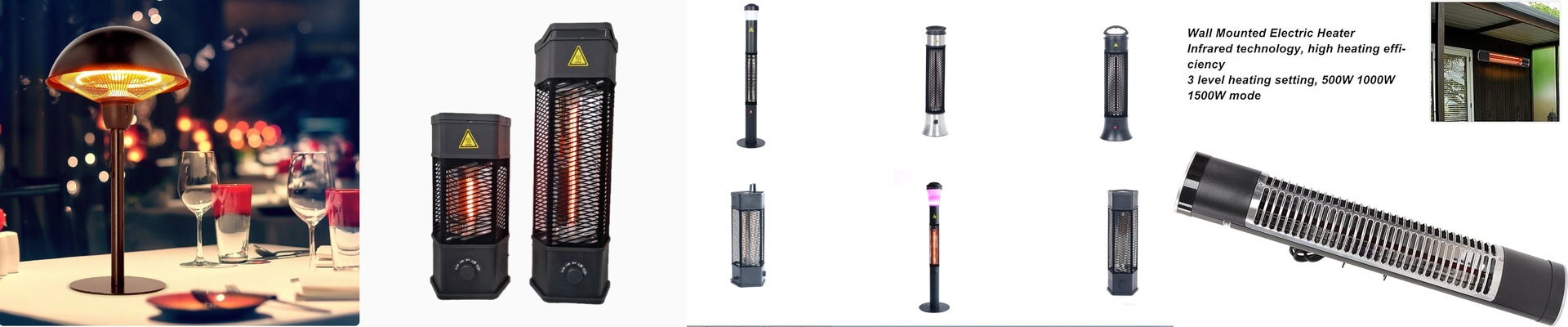
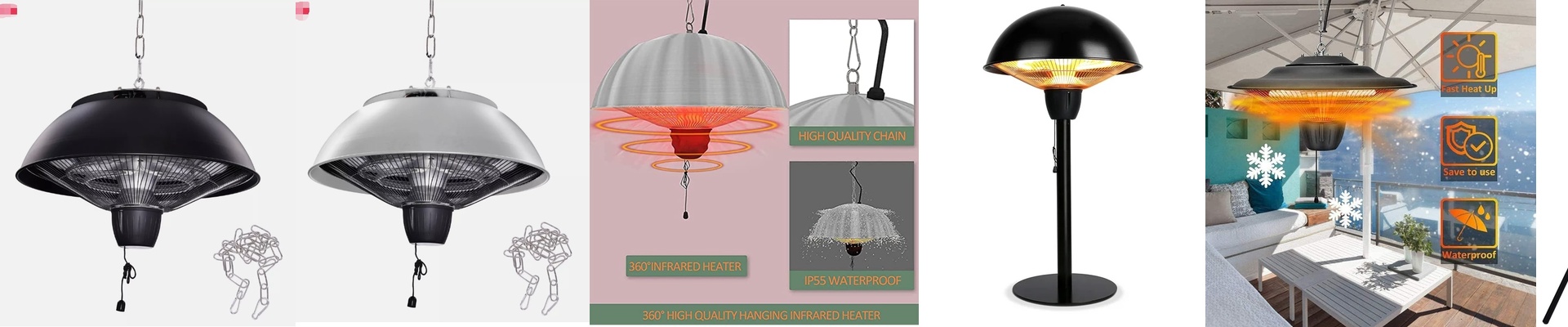
We go with shortwave infrared because it doesn’t waste time heating up the air. It heatsyoudirectly. It’s that instant, cozy feeling the moment you flip the switch, which is exactly what you want in a drafty bathroom. Just be careful where you mount them. High-wattage lamps get seriously hot. If you slap a 1200W unit right against a plastic ceiling panel without a heat shield, you might end up warping your ceiling. Not a great look.
Saving a Bit on the Electric Bill
If you want to keep costs down, don’t just leave the heater on. Wire it into a timer or a humidity sensor. I like the “layered” approach. Use a small 200W lamp just to take the chill off on a cold morning, and then kick in a 1000W “boost” lamp to dry things out after a shower. It’s way more efficient to match the heat to what you actually need in the moment, rather than just running the fixture at max capacity all the time.