Stop the Shards: Keeping Your Quartz Tubes from Blowing
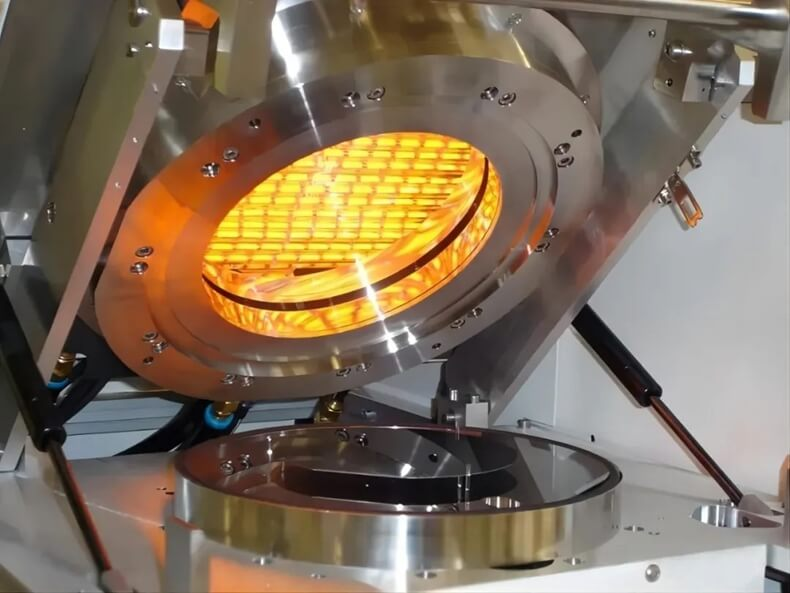
In a high-load semiconductor setup, a burst infrared lamp is a nightmare. It’s not just about the downtime—though that hurts enough. It’s the mess. When a quartz tube goes, you’ve got glass shards and tungsten filaments raining down right onto your wafers. One pop, and your entire batch is trash. That’s exactly why we obsess over preventing that “secondary pollution” in our IR heaters. The wiring secret Most people overlook the wiring, but here’s the thing: standard wires just can’t handle the heat soak at the ends of the lamp. They melt. They off-gas. We use high-temp Teflon-coated wiring because it actually holds up. If your insulation fails, you get arcing. That creates these tiny, intense hotspots on the quartz. Under a heavy load, those hotspots become stress points. And that’s where the tube snaps. Simple as that. Teflon keeps the connection clean and the heat where it belongs. Building for the “What If” A lot of tubes burst because the seal between the tungsten filament and the quartz envelope isn’t right. They expand at different rates, or the seal is dirty, and crack. We solved this with a precision-fit end cap. It gives the quartz room to breathe and expand without putting pressure on the seal. But we also plan for the worst. In certain setups, we add a safety mesh or a protective sleeve. Think of it as an insurance policy. If a tube does fail, the sleeve catches the debris. Your wafers stay clean, and you don’t have to spend all day scrubbing glass out of your machine. The trade-off We all want high heat density. But pushing these lamps to their max wattage cranks up the internal pressure of the halogen gas. This is where your cooling fans come in. If your airflow is weak, the ends of the lamp will overheat. At that point, it doesn’t matter if you have the best Teflon wiring in the world—it’s going to degrade. Keep your airflow steady. It’ll make your lamps last longer and keep your cleanroom actually clean.