
Winter turns an office into two climates in one. The perimeter feels like a walk-in fridge, while the area around the thermostat turns stuffy. People layer up, circulation dips, and the sniffles start circulating. When comfort drops, so does output. Cranking the central heat isn’t the answer. You’re better off bringing infrared warmth straight to the people who need it.
What matters under the hood
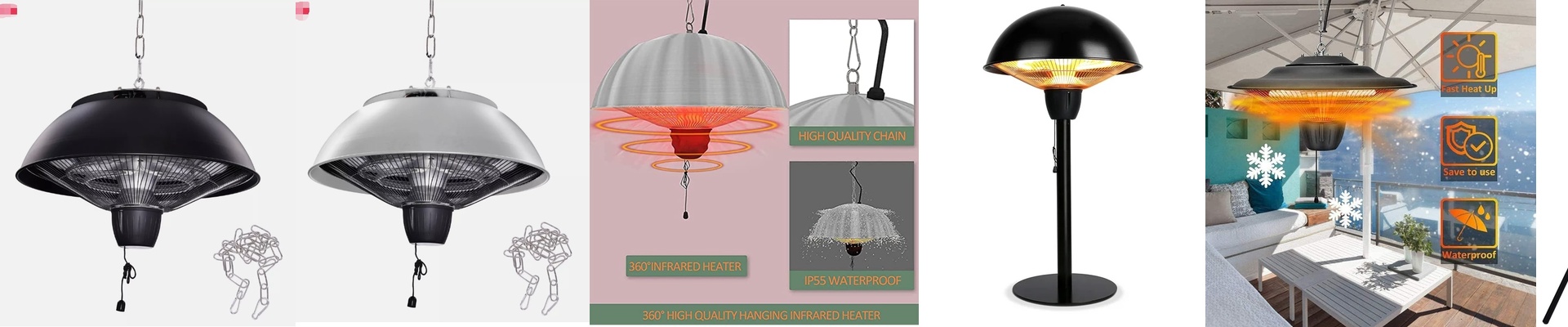
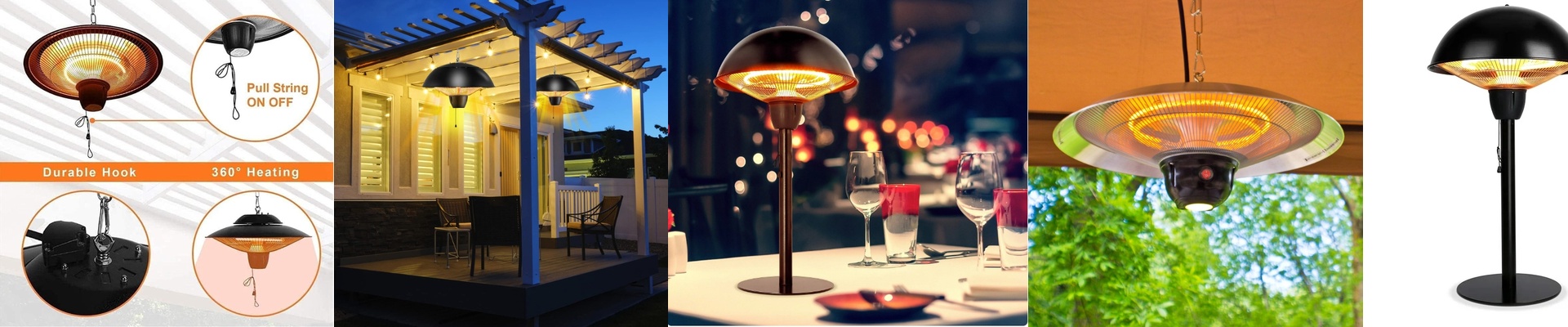
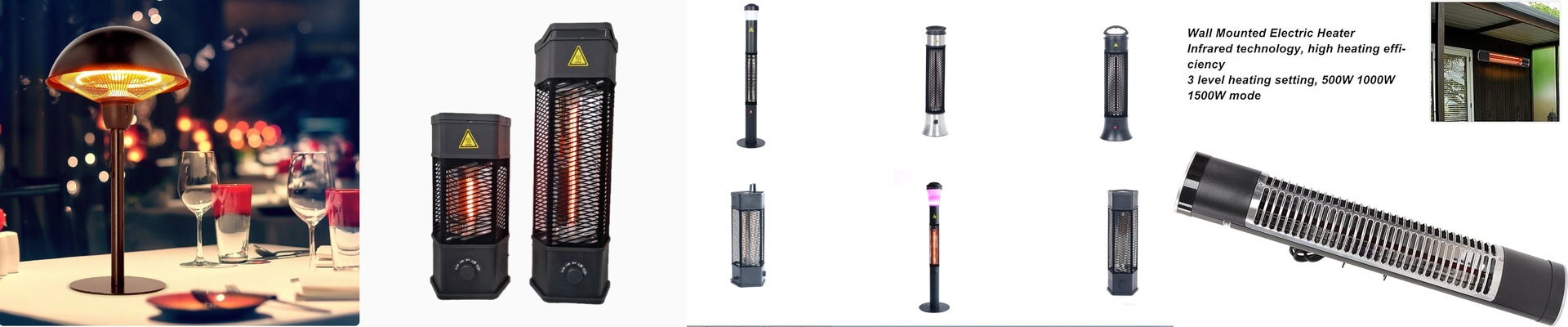
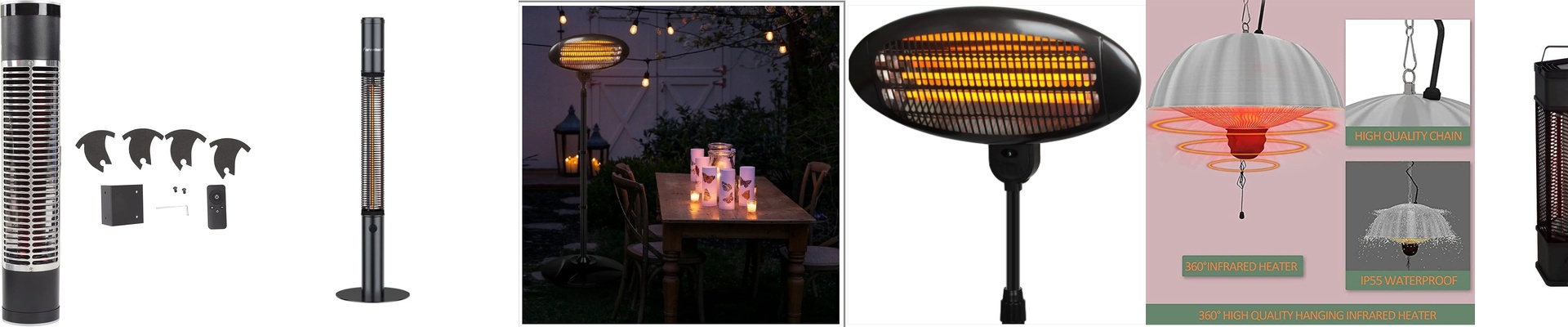
We build large-room infrared heaters around radiant heat, not blowing air. The core runs on a high-efficiency quartz tube or a carbon fiber element that throws short-wave infrared, warming people and surfaces first. You feel the heat where it counts, within seconds of flipping the switch. A typical unit puts out 1.5 kW to 3.0 kW, plugs into a standard outlet, and stays compact enough to slip under a desk or sit along a wall without crowding walkways. The directional reflector focuses the output, so the warmth lands where you aim it—not wasted up on the ceiling.
Why this clicks in an office
In an office, comfort isn’t a perk—it’s a workday essential. Infrared warmth helps keep blood moving, eases stiff shoulders, and keeps hands warm enough to type. Those small comforts add up to fewer winter colds and fewer interruptions. Because the heat is directional, you can warm work zones without roasting the whole floor, which helps keep energy use in check. People feel more steady, focus holds, and the day’s output stays consistent.
The practical details you can’t skip
Infrared heats objects and people directly, so the air temperature can read cooler than you expect.Position the heater where it reaches seating and workstations, not across open aisles. Most units are designed for indoor use. If you need coverage near an entrance, pick a model rated for protected outdoor areas. Placement matters—respect clearances and avoid direct line-of-sight for prolonged viewing.