Outdoor Electric Heaters: The Halogen Powerhouse, R7s Wiring, and Built-to-Brave-the-Weather
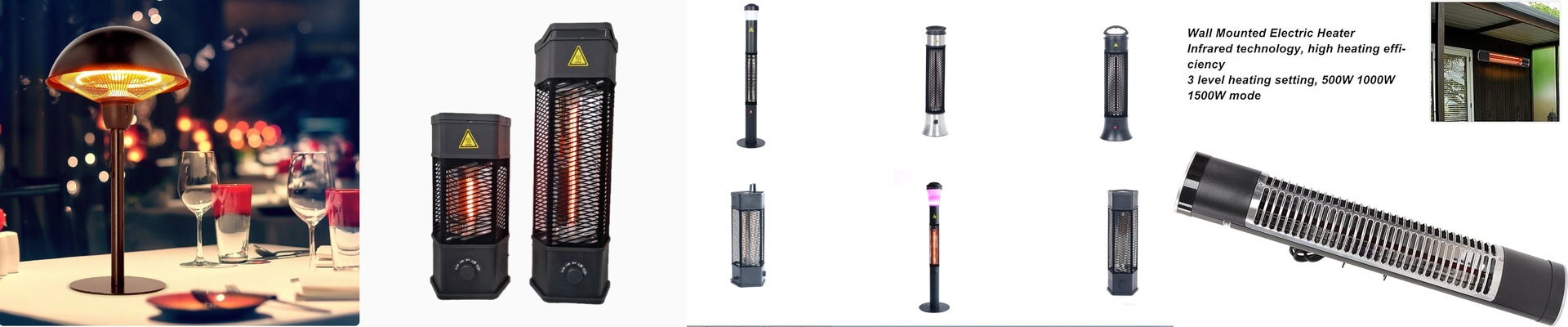
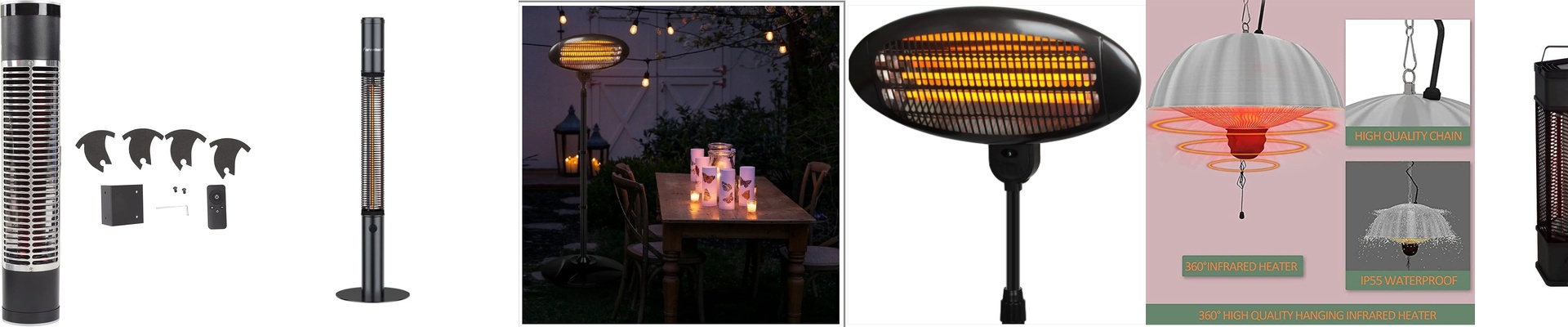
Here’s the thing about heating an outdoor space: it’s never predictable. The wind changes, the temperature drops, and you need heat that just gets the job done. That’s why we built these heaters around one simple, stubborn goal—delivering intense, focused warmth right where you need it, no matter what the weather throws at you. Our halogen heating lamps are for those tough, open-air industrial spots. The kind of place where you don’t want to waste time heating an entire building. You just need to warm a specific zone fast.
Power, Voltage, and Size—Straight to the Point
We made sure these heaters are flexible. They run on either 220V–240V or 400V, so you can plug them straight into your plant’s power without a rewiring nightmare. The 2500W power rating packs a serious punch. It creates a high heat density in a small footprint, which is perfect for heating a tight zone or keeping a machine enclosure from freezing up. And the 300mm tube length? That’s intentional. It keeps the heat concentrated exactly where you point it, so you’re not wasting energy warming empty air.
The Design: Built for the Long Haul
When you need a heater to work shift after shift, the details matter. The halogen element keeps the filament stable, even when it’s running hot. That means you get consistent, reliable heat all day long. The quartz tube is coated to handle both UV exposure and intense heat. It resists hazing, so the light and heat transmission stay strong over time. And the R7s base is a no-brainer for industrial use. It’s quick to wire, stays secure even with constant vibration, and makes swapping out the lamp a simple, fast job.
Heat That Can Take a Beating
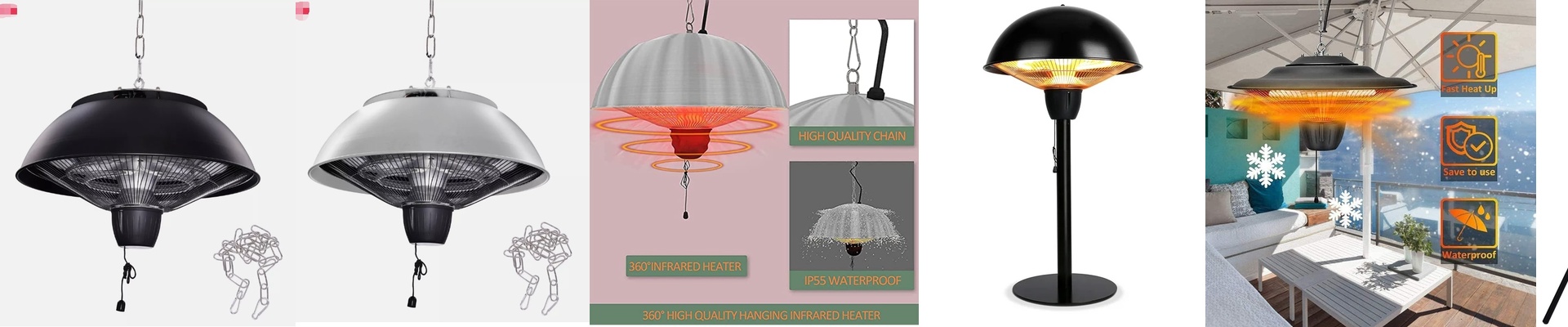
Outdoors means wind, moisture, and dust. This heater is built to stand up to all of it. You get that fast warm-up and directional heating, which is exactly what you need to protect sensitive equipment, keep work areas from freezing, or support a process right where it’s happening. Now, with that kind of power density, you do need to plan for proper ventilation and thermal management. That way, you can be sure nearby components stay safe and don’t get cooked by the heat.