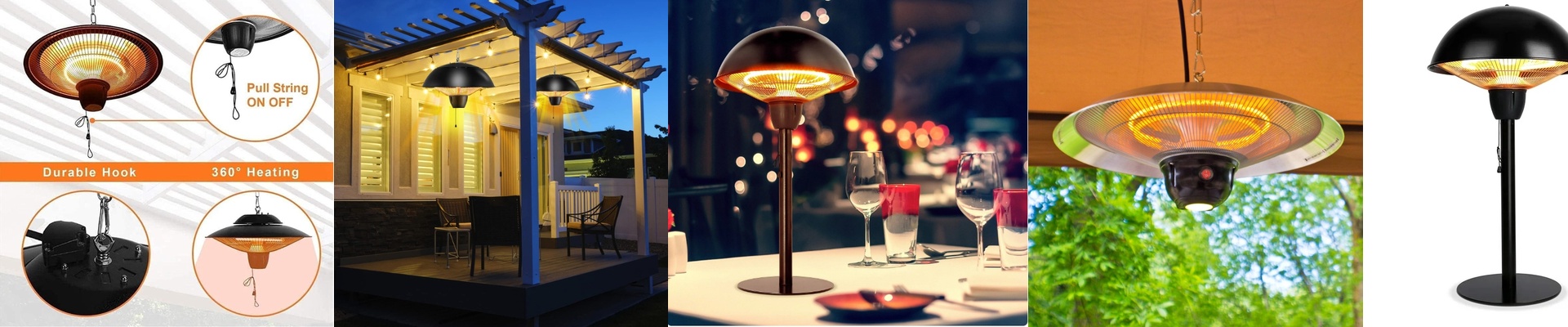

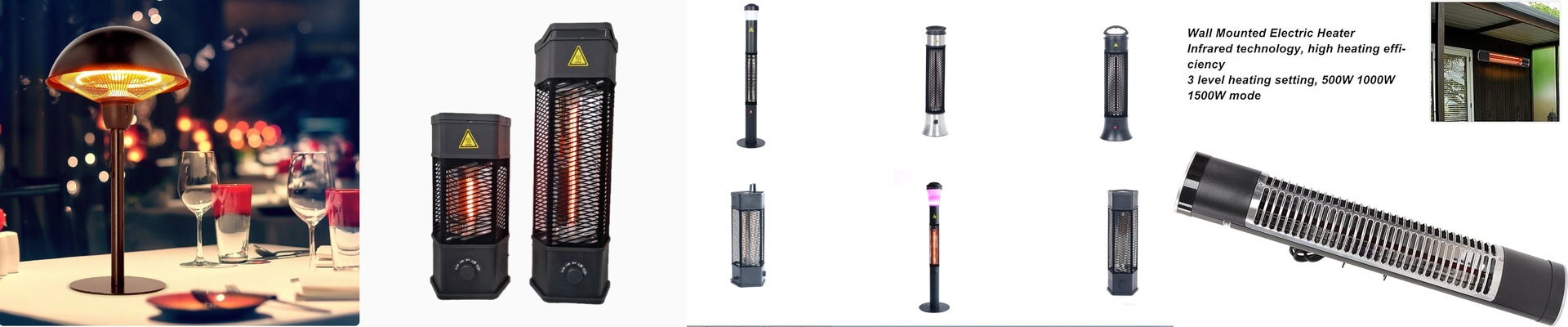
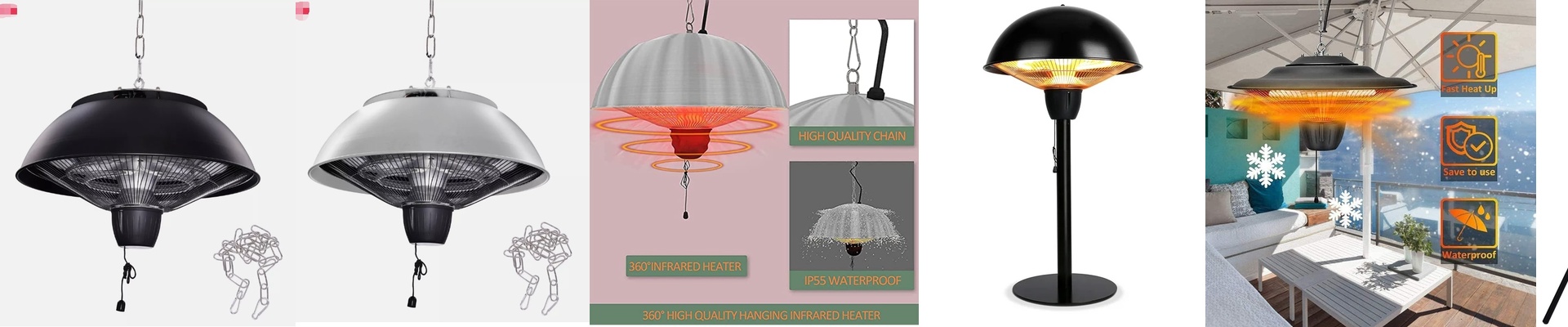
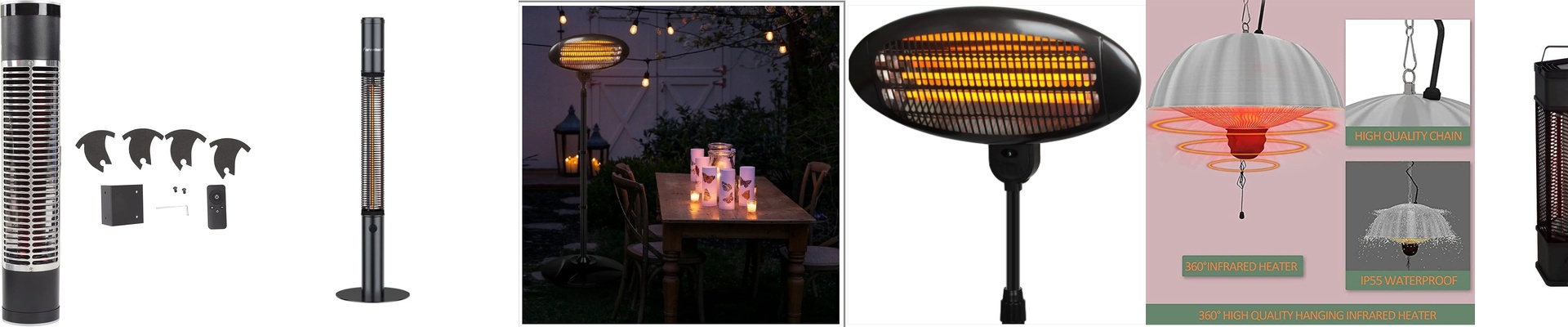
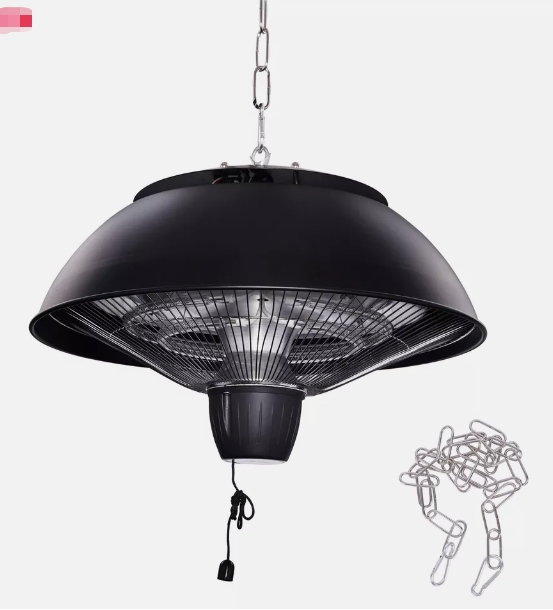
Night falls fast outdoors, and the temperature drops right when you’re settling in. One hiccup from the heater, one flicker, and that easy comfort is gone. The problem usually isn’t obvious—it’s the lead-wire entry point, where heat, movement, and moisture quietly work on the connection until it starts to fail.
What actually matters under the hood
Low-wattage infrared heaters give you comfort without hammering the electric bill, but the internal wiring still takes a beating. In our units, we build the lead-wire seal to a contract-manufacturing grade: high-temperature insulation, a compression grommet, and a dual-layer potting compound that locks the conductor in place. The joint stays stable, resists vibration, and keeps oxygen out so you don’t get hot-spot oxidation. And oxidation is the quiet killer—it’s what turns a solid connection brittle, then intermittent, and eventually unsafe. We match that seal with a carbon fiber or quartz infrared element. It delivers radiant warmth—heat you feel on your skin, not just air that warms and rises away. A typical low-wattage design pulls about 1,500 watts on a standard outlet, so you can run it on a patio or sunroom circuit without tripping breakers. Add an IP rating for outdoor-ready protection, plus tip-over protection and a thermostat, and you get steady heat with fewer headaches.
Why this approach holds up in the real world
On a cold deck or in a drafty three-season room, infrared warmth hits the right spots. It heats people and furniture directly, so you feel cozy faster, even when the air is still chilly. The power draw is modest, so you can run the heater longer without watching the energy bill climb. And because the lead-wire seal is built to resist high-temperature aging, you avoid the hidden failure point that ends so many heaters early. Fewer replacements, fewer service calls, and more evenings that stay comfortable.
A few practical details that save trouble
Even the best seal needs smart placement. Keep the heater in a sheltered spot out of direct rain, and give it breathing room—at least 3 feet of clearance on all sides. Plug it into a grounded outlet on a dedicated circuit, and skip extension cords; under sustained load, cords can overheat. If you’re running it in a very damp spot, confirm the IP rating matches the exposure. The trade-off is straightforward: a little upfront attention buys you quiet, dependable warmth when you need it.