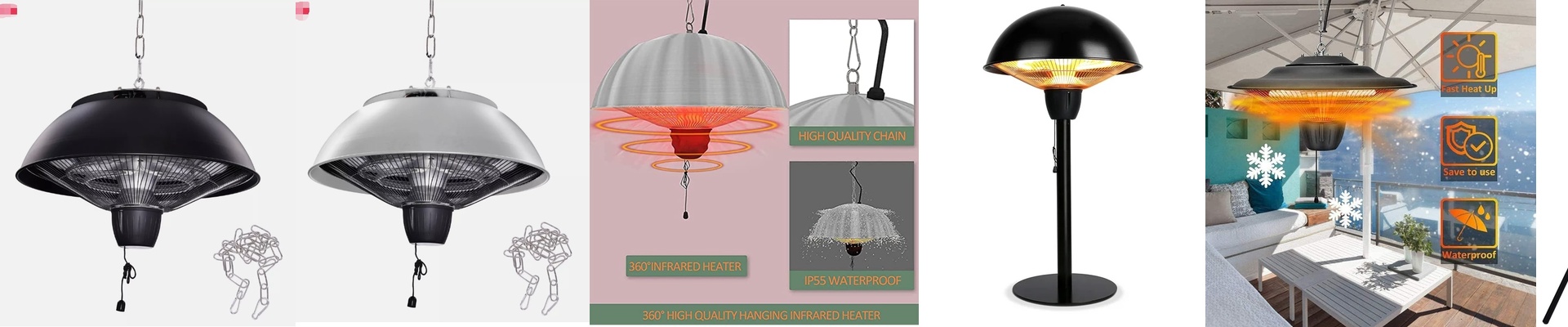
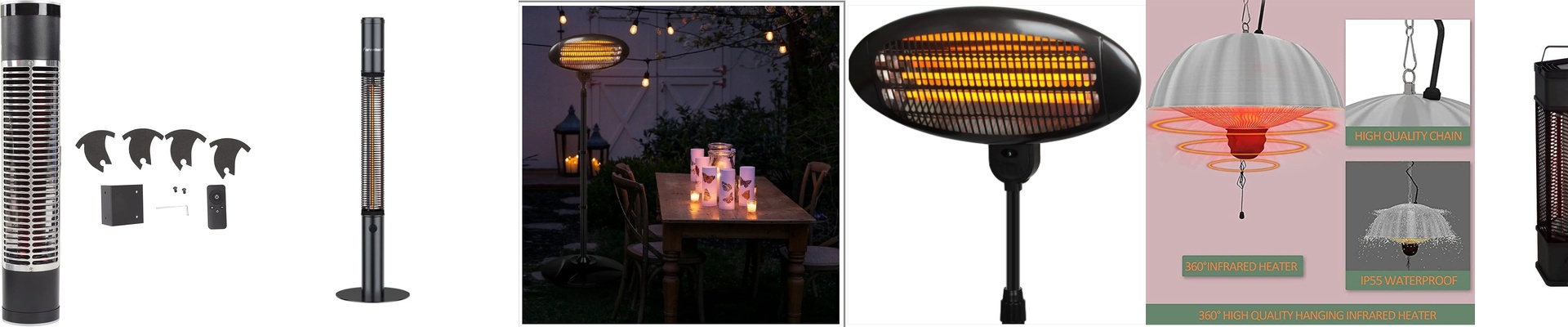
Keeping Bathroom IR Heaters Warm but Kind to the Eyes
Most infrared lamps are basically heat cannons. They blast out a huge range of light, and in a bathroom, that usually means a blinding glare. It’s annoying for adults, but for a baby with sensitive eyes? It’s a real problem. We figured out a way to fix this by tweaking how the quartz heating element actually breathes. The Trick to the Heat Here’s the thing: we don’t want that harsh, blue-white light hitting someone’s retina. So, we use special coatings or gas fills to shift the energy. Instead of a bright flash, we push the energy into long-wave infrared. This means the heat goes straight into the skin and water molecules—where it belongs—rather than stabbing you in the eyes. You get all the cozy warmth without feeling like you’re staring into a spotlight. Getting the Hardware Right We use high-wattage quartz tubes, but there’s a catch. If the tube gets too hot, the physics shift and that blinding light comes right back. To stop that, we spend a lot of time playing with the tube diameter and the voltage. We find that “sweet spot” where the filament is hot enough to make you feel warm instantly, but not so hot that it starts acting like a floodlight. The Trade-off Now, there is a bit of a compromise. Since we’re filtering out the visible light, these lamps aren’t great for lighting up a room. They aren’t “light bulbs.” If your client wants the heater to also be the main light for the bathroom, you can’t rely on the IR tubes alone. You’ll need to toss in some LED arrays to handle the visibility. At the end of the day, we care about the thermal footprint. We want a heater that warms you up the second you step in, without causing eye strain or risking permanent damage to a child’s vision. Just a heads-up: make sure your housing is rated for the wattage. You really don’t want your plastic casings starting to melt.