Stop Heating Your Cabinet, Start Heating Your Wafer
If you’ve ever worked with standard resistive heaters, you know the headache. They just bleed heat everywhere. It’s a mess. Instead of the energy going where it belongs, the internal walls of your cabinet soak it all up. Suddenly, you’ve got “hot walls.” Not only does that bake your sensitive electronics, but it’s a nightmare for whoever has to touch the equipment. Nobody likes a machine that burns you.
How Directional Heating Actually Works
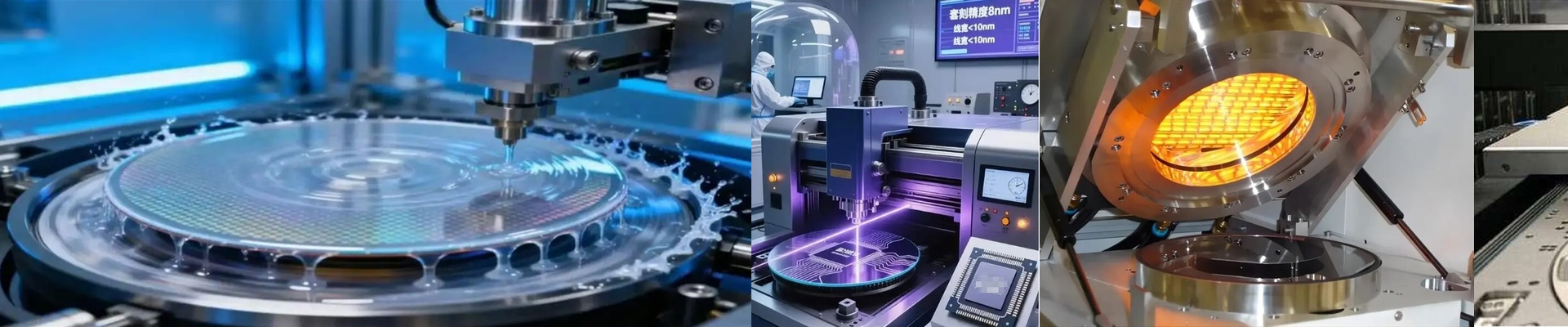
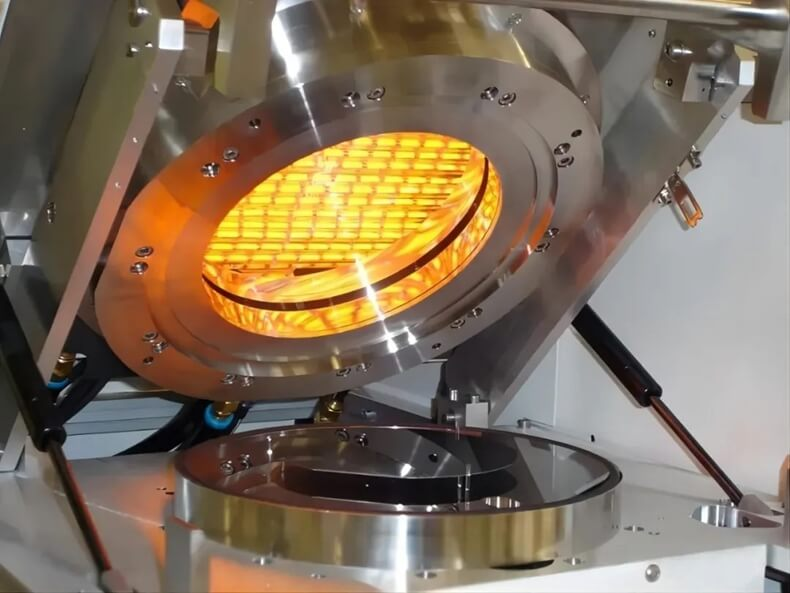
We deal with this by using short-wave IR lamps. Think of it less like a space heater and more like a flashlight. The energy travels in a straight line. It doesn’t waste time heating up the air around it; it goes straight for the wafer surface. By dialing in the focal length and adding some reflective shielding, we can dump all that thermal load right onto the substrate. The result? The chassis stays cool to the touch.
Power, Precision, and a Bit of Caution
These high-wattage lamps pack a punch. They’re great for when you need to ramp up temperature fast during a bake-out cycle. We usually pair them with PID controllers so you don’t accidentally overshoot your target and ruin a batch. But you can’t just crank the power and walk away. If you push too many watts into a tight space without shielding, the heat will still find a way to creep into the cabinet. We’ve found that gold-plated or polished aluminum shields work best—they basically bounce those stray photons right back toward the wafer.
The Trade-offs (Because Nothing is Perfect)
Look, directional heating isn’t a magic fix. It has its quirks. The intensity drops off fast as you move away from the source. If your wafer isn’t sitting perfectly in the chuck, you’re going to get cold spots. You’ll need your Z-axis tolerances to be tight—really tight—to keep the temperature even across the whole surface. And one last thing: these lamps get incredibly hot. If a cooling fan dies, the lamp can burn out in a matter of minutes. Do yourself a favor and make sure your interlocks are wired to kill the power the second the airflow drops. It’ll save you a lot of grief.