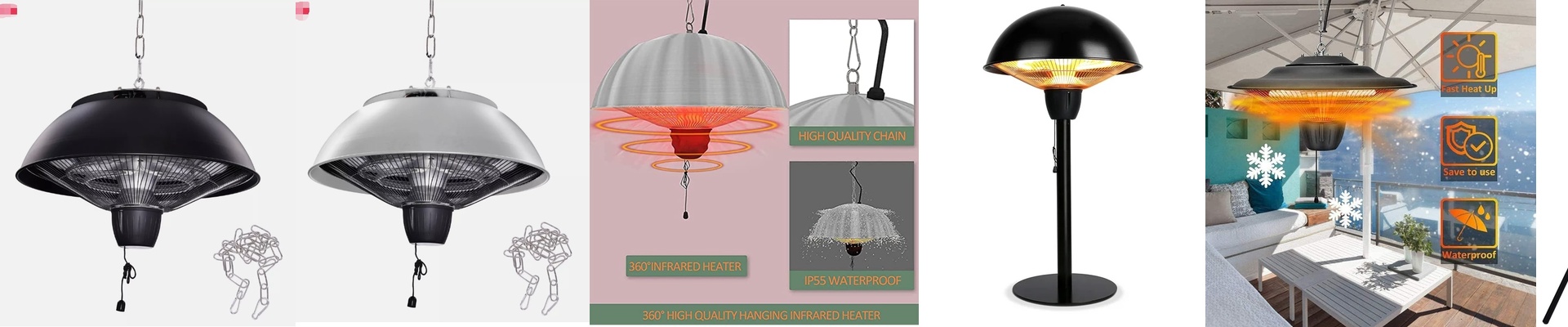
In a gallery or museum, the wrong heat can be just as risky as the cold. Forced-air systems kick up dust, swing humidity around, and set up convective currents that tug at delicate surfaces. Over time, that translates to stress on paint, canvas, wood, and paper—conditions that quietly shorten the life of collections.
What matters, technically
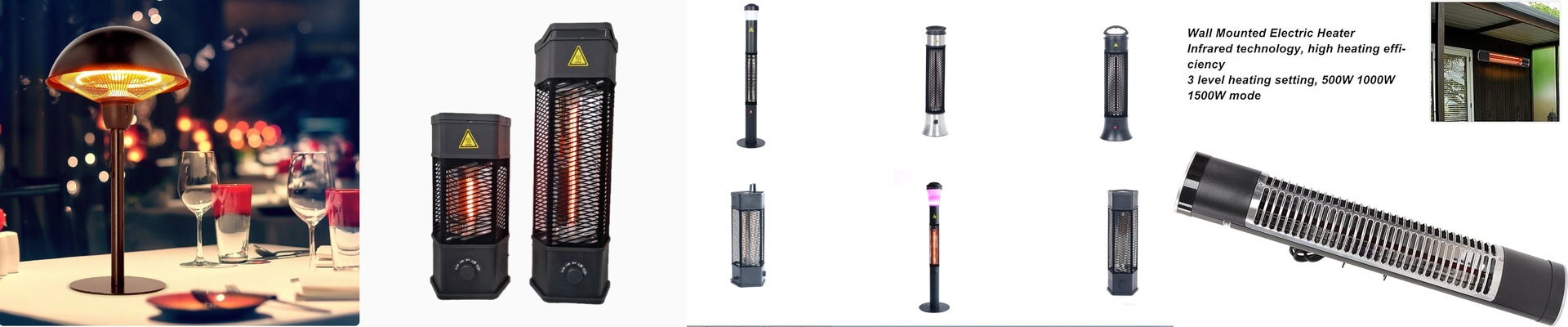
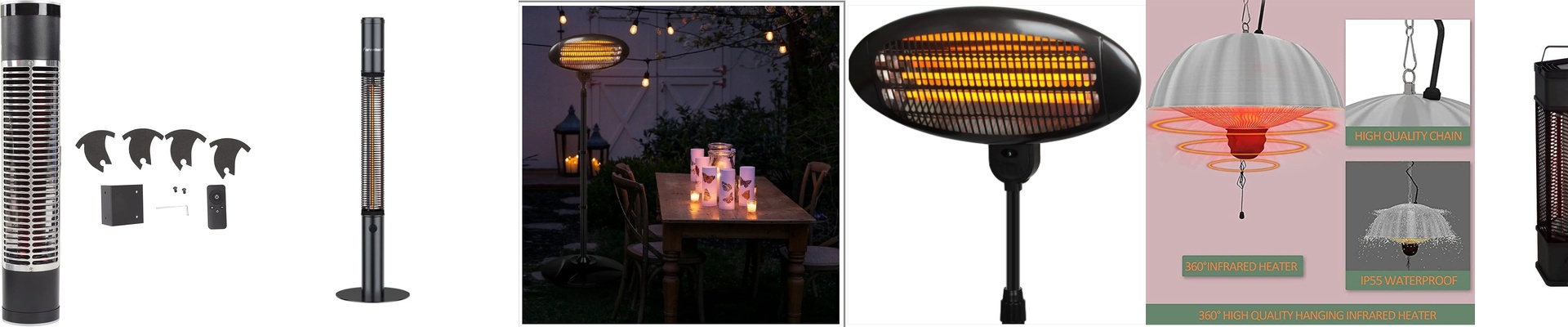
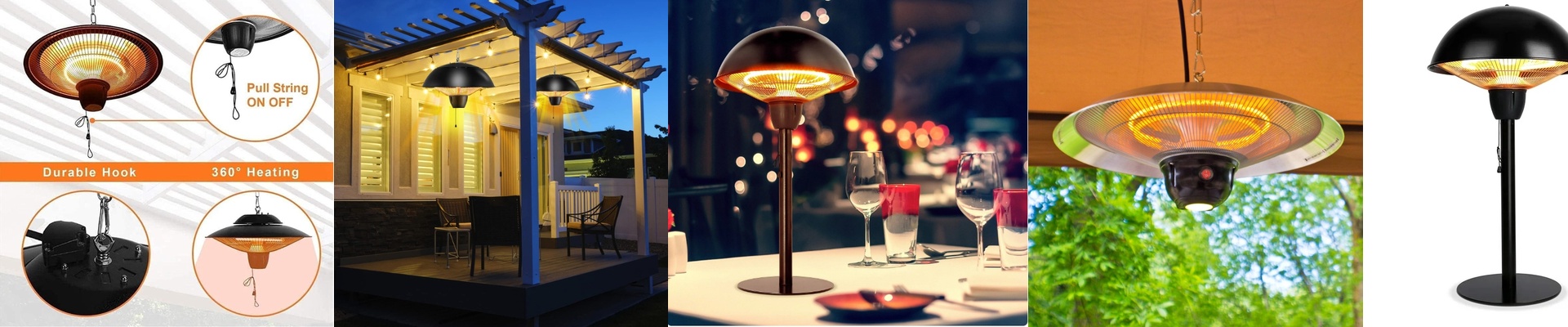
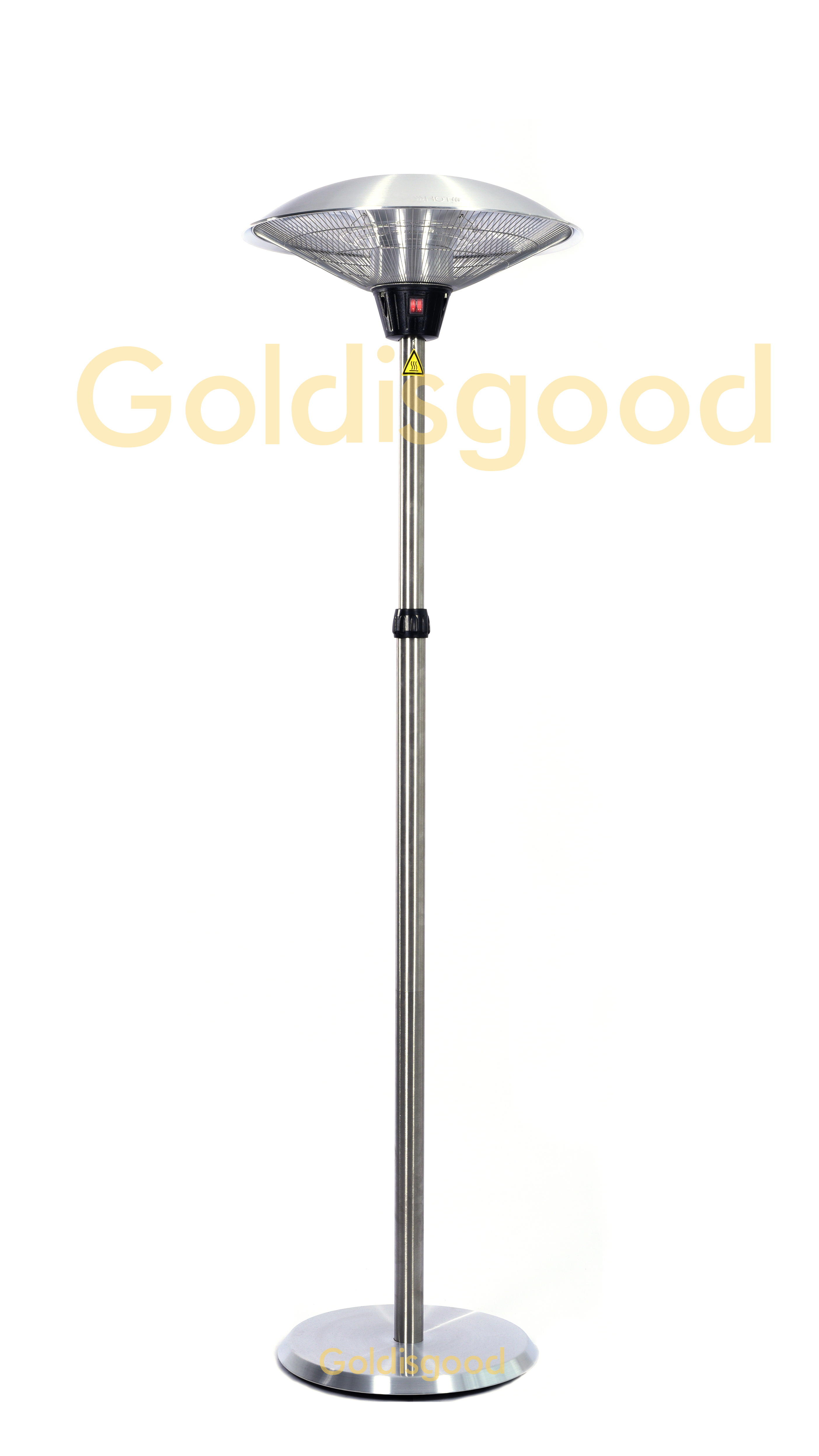
We build our balcony heaters around infrared radiant heat. A clean electric element warms people and objects directly, not the air around them. Heat goes outward in a focused pattern, so comfort arrives faster without having to heat every cubic foot. Wavelength is the key decision. For close-range comfort with low glare in occupied spaces, medium-wave infrared is the sweet spot—warming surfaces while keeping air movement minimal. The heater runs on standard 220–240V, draws 1.5–2.0 kW depending on the model, and can be paired with a thermostat for steady, repeatable control. The housing is finished for indoor/outdoor use, and you get safety features like tip-over protection.
Why it works in this setting
Galleries and museums need heating that respects conservation: stable conditions, even distribution, and no open flame or combustion byproducts. Infrared avoids blowing air that carries particulates, and it cuts down on temperature stratification that forces HVAC systems to overwork. Out on the balcony, the same approach extends the season. Visitors stay comfortable without noise or drafts, and staff can manage temperature zone by zone. Inside, the warmth stays local—near the floor, near the artwork, near the people—so you can hold a setpoint instead of chasing swings.
The practical details
Infrared heating is directional, so placement matters. Aim the warmth where people gather, and steer clear of direct line-of-sight to reflective frames or glass. In galleries, we position heaters for gentle, even coverage—no concentrated hot spots. Because comfort is felt on surfaces, the space can feel right at a lower air temperature than with convection. That can save energy, but it also means the thermostat should be tuned for consistent comfort, not maximum heat. If you’re pairing the heater with existing HVAC, keep them in separate zones so air movement and radiant warmth stay in balance.