Why We’re Moving to Infrared Curing for Lead-Free Boards
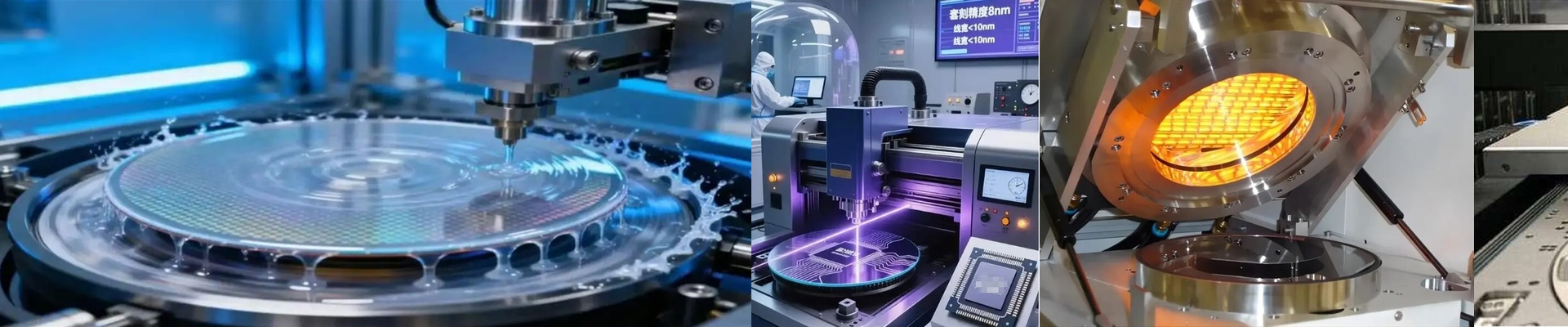
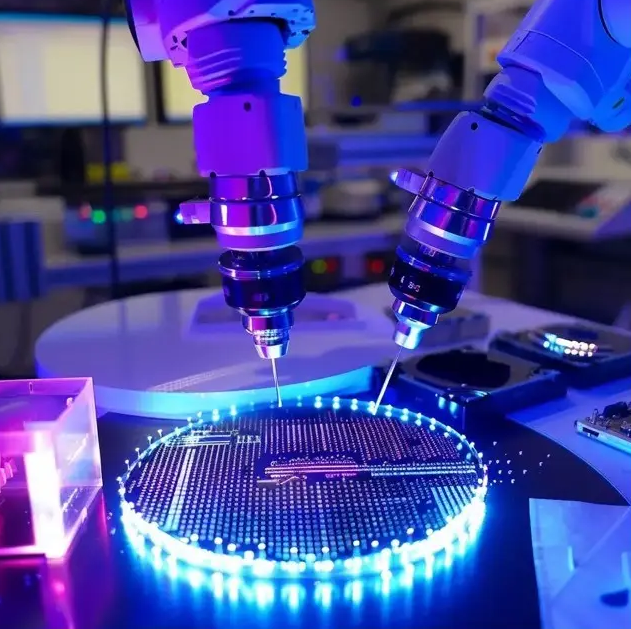
Let’s be honest: those old-school convection ovens are a bit of a dinosaur. If you’re trying to hit today’s lead-free and eco-friendly standards, relying on a giant box of hot air just doesn’t cut it anymore. That’s why we’ve shifted to infrared (IR) curing. Instead of heating up the entire room—and the oven walls, and the air—IR goes straight for the substrate. It’s direct. It’s efficient. No wasted energy. The secret is in how the heat moves. Think about a hot air oven. It’s slow. It takes forever to get everything up to temperature because you’re waiting on the air to move. IR is different. It uses electromagnetic radiation that actually penetrates the curing layer. The solder paste or adhesive heats up almost instantly. You get a much faster ramp-up, which means your parts aren’t soaking in heat longer than they need to. It keeps the whole process lean. The lead-free struggle Here is the tricky part: lead-free solders need way more heat to reflow than the old SnPb stuff. If you try to hit those high peaks with hot air, you’re asking for trouble. You start seeing boards warp or substrates get stressed. It’s a nightmare. With IR, we can actually tune the wavelength to match what the material wants to absorb. We hit the target temperature fast, and then we get out. This keeps the board out of that “danger zone” where intermetallic growth starts to mess things up. The catch (because there’s always one) Now, you might think, “Great, I’ll just swap my heater for a lamp.” Hold on. It’s not that simple. IR is line-of-sight. If your parts have weird shapes or different heights, you’re going to end up with cold spots. It’s frustrating when one side of the board is perfect and the other is barely cured. You have to spend some real time figuring out your lamp arrays and reflector angles. You want that heat hitting every inch of the wafer or PCB evenly. It works beautifully as your main curing source, as long as your cooling system can keep up. You just have to make sure that localized heat doesn’t accidentally fry your sensitive silicon.