


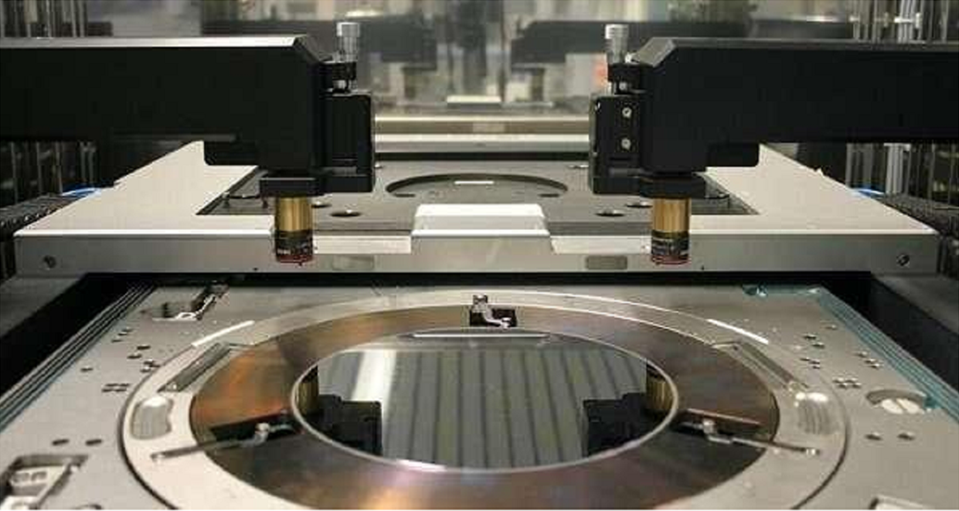
Why we’re ditching hot air for IR in biosensor fabrication
When you’re building biosensors, getting those chemical layers dried and cured just right is a bit of a nightmare. Most old-school setups rely on hot air circulation. If you’ve spent any time in a semiconductor lab, you know the drill: you’re stuck waiting forever for the heat to ramp up, and half the time, the temperature isn’t even the same across the whole wafer. It’s frustrating. Moving to infrared (IR) lamps changes the whole vibe. You’re moving from convection to radiation. Cutting out the middleman Think about how hot air works. You have to heat up the air first, and then hope that air transfers the heat to your substrate. It’s slow. It’s a slog. IR lamps are different. They shoot electromagnetic radiation straight at the substrate. No waiting for the air to warm up. No lag. We’ve seen this slash soak times by 40% to 70%. That’s a massive amount of time you get back in your day. The trade-offs (because nothing is perfect) The best part? IR lamps don’t need those giant, noisy blowers or clunky ducting. Your equipment footprint shrinks, which is always a win in a crowded lab. But you have to be careful. IR packs a punch. If the lamp is too close, you risk scorching those delicate organic layers. It’s all about finding that sweet spot with your distance and power settings. You don’t want to fry your hard work. Making it work in the real world The good news is that swapping to IR is usually a pretty simple drop-in replacement for your heating stage. If you need a quick surface cure, go with short-wave IR. If you’re dealing with thicker substrates and need the heat to sink in deep, medium-wave is your best bet. But here’s the real secret: it’s not just about the speed. It’s about the peace of mind. Air currents are moody—they shift and fluctuate. IR is steady. As long as you’re feeding it a consistent voltage through a decent PID controller, you get temperature tolerances that air just can’t touch. That’s why it’s becoming the go-to for anyone trying to push out high volumes without losing their mind over consistency.