
Stop Letting Dust Ruin Your Biosensors
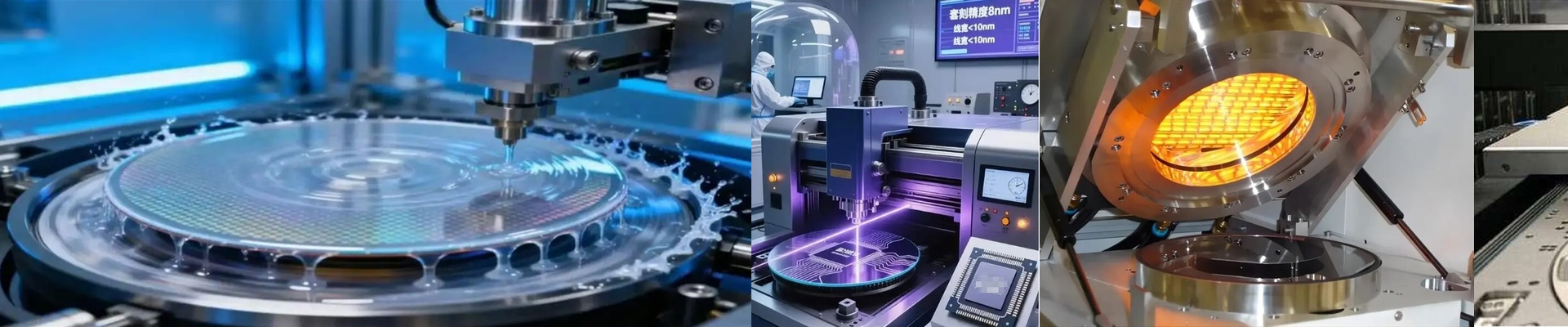
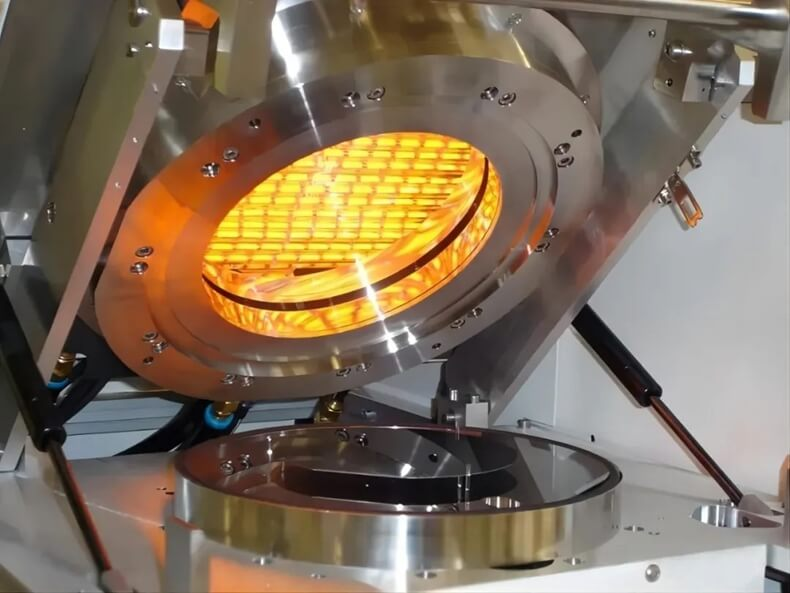
If a single speck of dust—something you can’t even see—lands on your substrate, your biosensor is basically trash. It’s frustrating. You do everything right, but then your heating element starts off-gassing or shedding tiny particles, and suddenly your yield plummets. We figured out a better way. We use high-purity synthetic quartz infrared lamps that actually belong in a Class 100 cleanroom.
Why the quartz actually matters
Most quartz tubes have impurities. When they heat up and cool down, those impurities flake off. Simple as that. We use fused silica with low hydroxyl (OH) content. Why? Because it doesn’t spit out volatile organic compounds (VOCs) when you ramp up the heat. It stays clean. It stays solid. No flaking, no shedding, just steady heat.
Getting the cure just right
Biosensors are finicky. You can’t just blast them with heat and hope for the best. We use short-wave infrared (SWIR) for a reason. This energy digs deeper into the substrate. It means your base layer cures properly without scorching the top surface. But you have to be careful with power density. If you cram too many watts into one spot, you’ll get hotspots that warp the sensor. We spend a lot of time balancing the wattage and voltage so the heat hits the entire tray evenly. No surprises.
The reality of cleanroom setup
We stripped out all the junk. No adhesives, no porous materials—nothing that could possibly shed a particle. Now, a word of warning: this high-purity quartz is a bit more brittle than the doped glass you might be used to. It can handle the heat shock, but if you bump it or drop it? It’s gone. Make sure your mounting brackets are perfectly aligned. If the lamp isn’t seated just right, it’ll vibrate. And vibration is the fastest way to kill a filament. Get the fit tight, and these things will run for a long time.