Why we use IR Curing for Biosensors and Chips
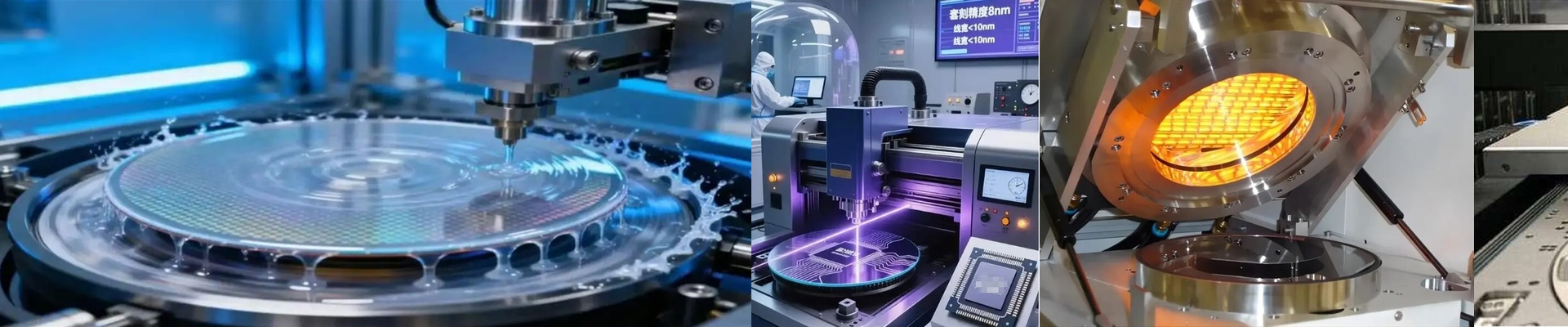
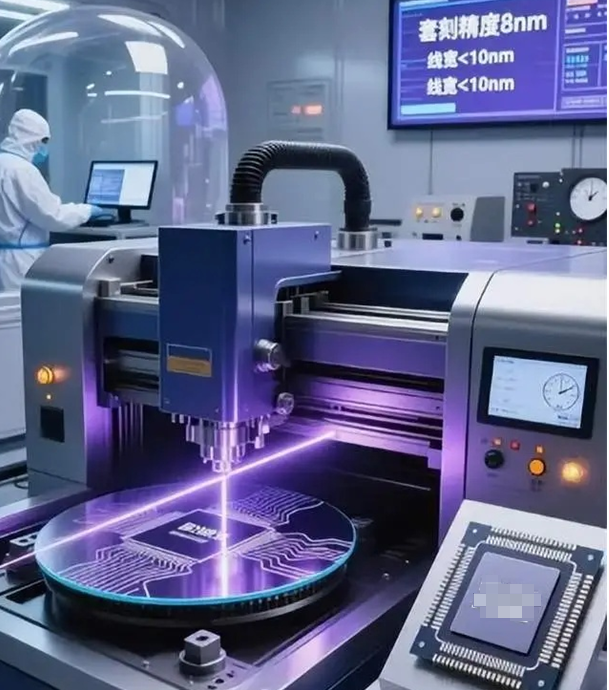
When you’re building biosensors, you’re walking a tightrope. You need to bake those organic layers and conductive polymers just enough to stabilize them, but if you overdo it, you’ll fry the whole substrate. That’s why we stick with shortwave infrared (IR) lamps. Instead of heating up the air and hoping the heat reaches your part, IR beams energy directly into the material. It’s fast. Direct. Efficient. Keeping things clean In the semiconductor world, “eco-friendly” isn’t some marketing buzzword—it’s a requirement. Any tiny bit of contamination can ruin a batch. Old-school convection ovens are a headache because they often leak gases or use catalysts that can mess with your results. IR is different. It’s a clean process. No combustion, no weird fumes, and no floating particles drifting onto your sensor surface. You just get pure energy transfer. Saving time (and power) Here’s the best part: speed. A convection oven takes forever to warm up the entire chamber. With IR, we hit target temperatures in seconds. We aren’t wasting electricity heating up the walls of a machine; the energy goes straight into the wafer. And since we can pulse the lamps, we can control exactly how fast the heat ramps up. This is huge because it stops those delicate bio-reagents from cracking under the pressure of a sudden temperature spike. The tricky bits It’s not all magic, though. High-intensity lamps put out a massive amount of heat. If you aren’t careful, that heat can warp your housing or melt things that aren’t supposed to be hot. You have to balance the lamp’s power with a solid heat sink or some forced-air cooling to keep the rest of the gear safe. Then there’s the wiring. Since we’re in a cleanroom, we use shielded cables. Without them, the electromagnetic interference could scramble the sensor’s circuitry. But once you’ve got the wiring sorted and the distance calibrated, the whole thing just hums along. It’s stable, reliable, and doesn’t leave a carbon footprint at the point of use.