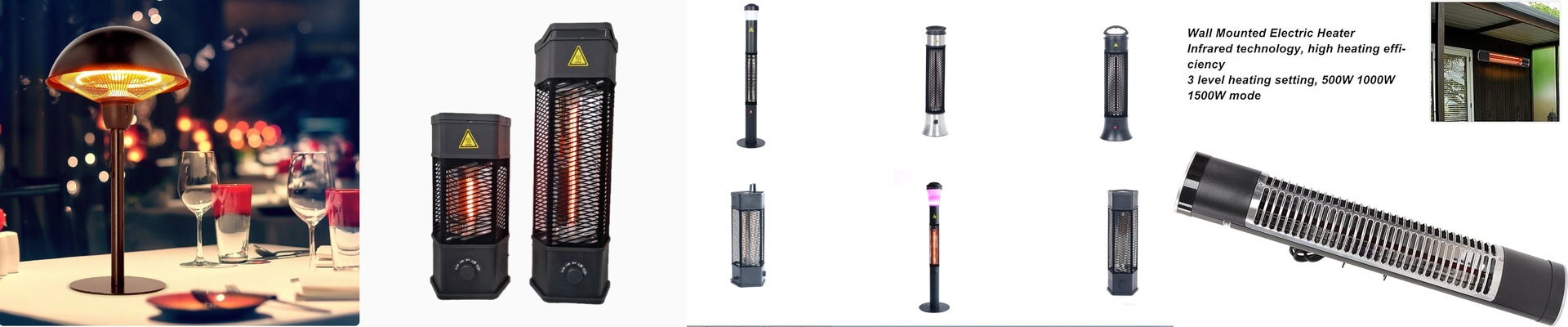
The Power Behind the Warmth: A Real-World Look at These Patio Heaters
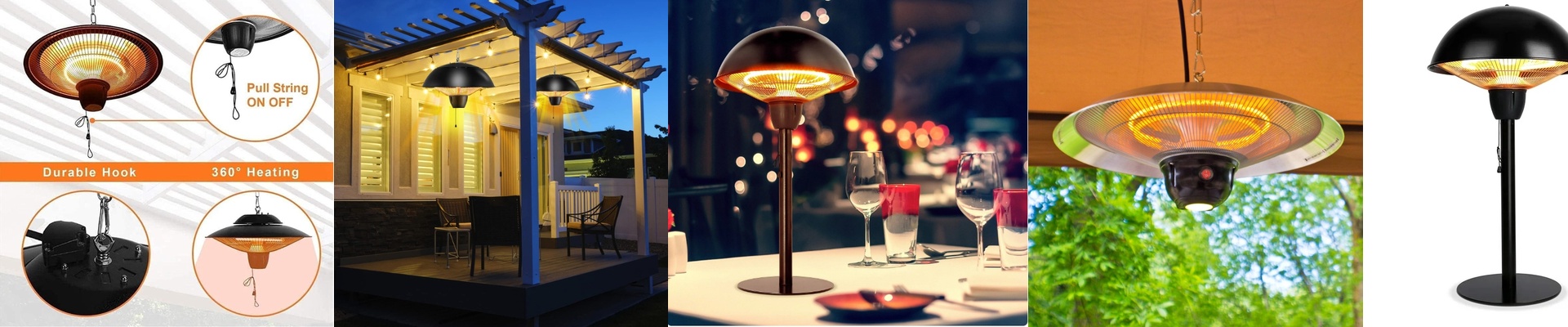
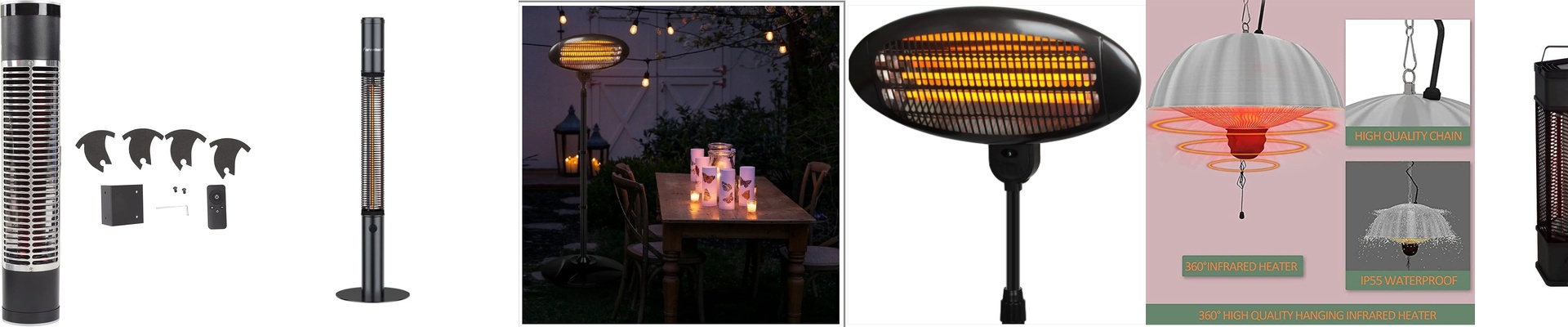
Let’s talk about what actually makes these wall-mounted patio heaters work. They’re designed to give you one thing: direct, powerful warmth, right where you need it. A typical unit packs a serious punch—2500 watts—and runs off a 400-volt supply. That’s how you get a huge amount of heat from a small package. The heating tube itself is just about 300mm long, so it stays focused on the spot you’re trying to warm, without taking up precious floor space. Here’s the neat part about the 400V setup. It pulls less current than a standard 230V line would, which means you can use smaller wiring and puts less strain on the connections. You’re getting more heat for every amp, but there’s a trade-off. You’ve got to make sure your electrical system is ready for 400V, and your control gear needs to be on the same page.
What’s Inside: The Heart of the Heat
Inside that tough exterior is a clever little system. The heating element uses a halogen cycle, all sealed inside a quartz tube. This keeps the heat output steady and stops the bulb from burning out too quickly. And the quartz itself? It’s built to handle extreme heat and sudden temperature changes. So it can power on and off over and over again without cracking under the pressure. When it comes to replacing the element, it couldn’t be easier. It uses a standard R7s double-ended fitting. Just slide it in and lock it down. The whole design keeps the connections short and solid, which helps prevent hot spots. Basically, it’s a simple, straightforward replacement for an existing fixture.
Why It Works for Your Outdoor Space
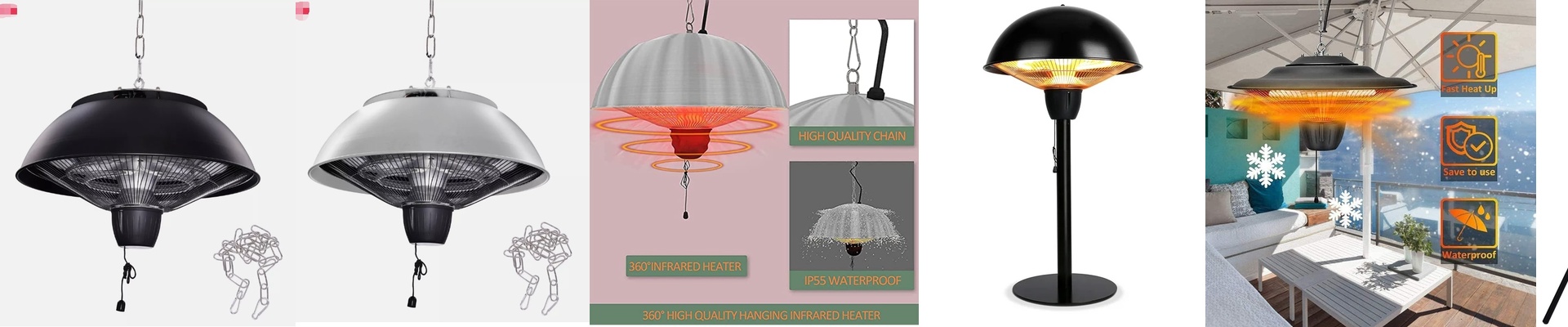
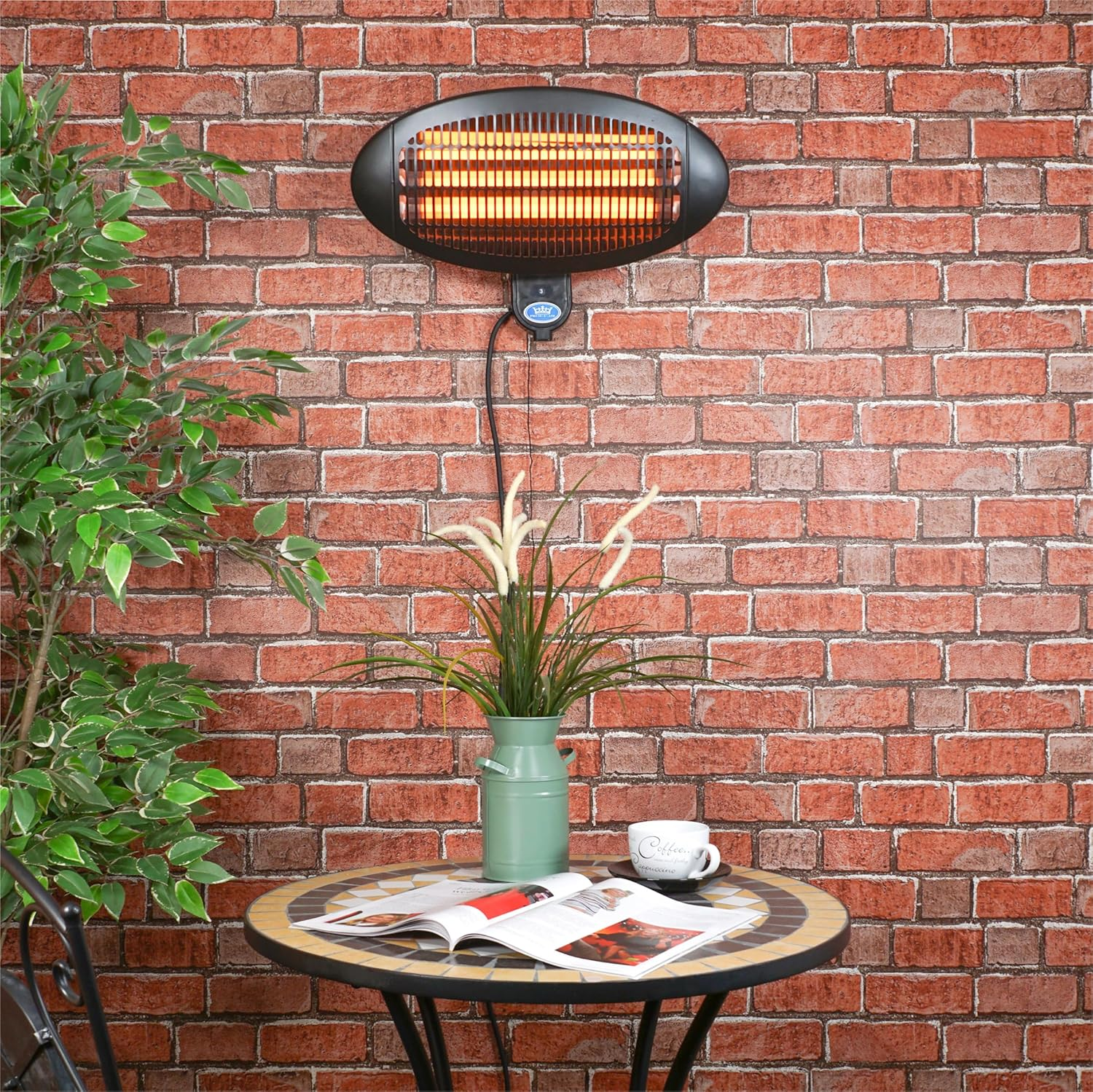
Because these heaters mount on the wall, you can point the heat exactly where people are gathering, keeping walkways clear and uncluttered. The heat they produce is infrared, which means it warms people and surfaces directly, not the air around them. This is a huge advantage outdoors, especially on a breezy evening, because you’re not wasting energy trying to heat the wind. The halogen quartz tube keeps that steady output going for the long haul. But, and this is important, that high wattage does create a lot of heat around the unit itself. So, you’ll need to plan for proper clearance when you mount it. Just double-check that the enclosure and wiring are rated to handle that kind of high-temperature environment.